Drugs, Health Technologies, Health Systems
Health Technology Review
Strategies to Reduce the Environmental Impact of Metered-Dose Inhalers in Pulmonary Function Testing Labs
Key Messages
What Is the Issue?
The propellant used in metered-dose inhalers (MDIs) is a potent greenhouse gas. Due to infection prevention and control (IPAC) concerns, many pulmonary function testing (PFT) labs discard the inhaler after being used by a single patient. Although MDIs commonly contain 200 doses, patients typically only require 4 doses for PFT.
Canada’s Drug Agency (CDA-AMC) received a request to identify strategies used in Canada to reduce the environmental impact of MDIs in PFT laboratories.
What Did We Do?
We conducted an Environmental Scan and 3 round table discussions to identify strategies used in Canada to reduce the environmental impact of MDIs in PFT laboratories and gather implementation experiences.
We conducted a rapid review to summarize and critically appraise evidence on the safety and cost-effectiveness of reusing MDIs across multiple patients compared to single-patient use, and to identify evidence-based guidance on MDI disinfection and reuse.
We searched key resources, including journal citation databases, and conducted a focused internet search for relevant evidence published since 2016. We also updated a previous CDA-AMC reference list by critically appraising and summarizing newly identified and previously included studies.
What Did We Find?
We identified 5 publications evaluating strategies to reduce the environmental impact of MDIs in PFT laboratories and 3 nonrandomized studies evaluating the safety of reusing MDIs across multiple patients. We did not identify any economic evaluations or evidence-based guidelines that met our selection criteria for this review.
Three broad strategies were identified: reusing MDIs across multiple patients, recycling MDIs, and encouraging patients to bring their own inhalers for testing. These strategies have the potential to reduce greenhouse gas emissions and costs, although the available evidence is limited.
Successful implementation depended on standardized protocols, collaboration with infection prevention and control (IPAC) teams, staff education, and institutional support. Common barriers included IPAC requirements, regulatory and logistical challenges, limited staff capacity, and limited access to recycling programs.
Despite limited high-quality clinical evidence, Canadian experience suggests that MDI reuse can be implemented safely when supported by robust protocols and collaboration with local IPAC teams.
What Does This Mean?
Organizations considering reusing MDIs across patients may benefit from developing standardized disinfection protocols, dose-tracking processes, and patient selection criteria in collaboration with local IPAC teams.
There is 1 widely used MDI recycling program available in Canada. Recycling programs can further reduce environmental impact, and broader implementation may require sustainable funding and improved access.
Bring-your-own-inhaler programs may reduce waste while supporting patient education. Implementation should consider equity, contamination risks, and the need to maintain an institutional supply of MDIs.
Decision-makers may need to balance the urgency of reducing environmental impacts with limited published clinical evidence on the safety of reusing MDIs across patients. Experiential evidence can complement the available clinical evidence and provide additional insight into the feasibility and safety of these practices. Prospective evaluation of sustainability initiatives can further strengthen the evidence base while supporting continuous quality improvement.
The Issue
Environmental Impact of Metered-Dose Inhalers
Climate change is reported to be 1 of the greatest threats to health worldwide.1 In Canada, health care is responsible for an estimated 4% to 5% of national greenhouse gas (GHG) emissions, approximately 25% of which is attributable to pharmaceuticals.2
Metered-dose inhalers (MDIs) are hand-held devices used to deliver medication directly to the lungs, primarily for conditions such as asthma and chronic obstructive pulmonary disease (COPD). Unlike dry-powder or soft-mist inhalers, MDIs use a hydrofluoroalkane propellant (HFA-134a) to deliver medication under pressure. HFA-134a is a potent GHG with a global warming potential approximately 1,300 times greater than carbon dioxide (CO2).2 As a result, MDIs have a disproportionately large environmental impact. For example, one 200-dose Teva-Salbutamol 100 mcg MDI generates an estimated 9.7 kg of CO2 equivalent (kg CO2e). This is comparable to driving approximately 39 km in a standard gasoline-powered vehicle.3 Another commonly used inhaler, Ventolin 100 mcg, produces an estimated 28.2 kg CO2e, equivalent to driving approximately 113 km.3
Pulmonary Function Testing Laboratories
Pulmonary function testing (PFT) laboratories are specialized clinics, located in hospitals or community settings, which assess lung function using a variety of respiratory tests. Bronchodilator responsiveness (BDR) testing is the primary type of PFT that requires administration of medication using an MDI.4 It is commonly performed to support the diagnosis of asthma or COPD.4 During BDR testing, lung function is measured before and after administration of a short-acting bronchodilator (e.g., salbutamol or terbutaline) to assess the reversibility of airway obstruction.5 In most laboratories, the bronchodilator is administered using an MDI and a spacer.6
PFT laboratories present unique challenges and opportunities for reducing the environmental impact of MDIs. Due to infection prevention and control (IPAC) concerns, many laboratories discard inhalers after being used by a single patient. Because most MDIs contain 200 doses and a typical BDR test requires only 4 doses, this practice results in substantial medication and material waste. One strategy to reduce this waste is to disinfect and reuse MDI canisters across multiple patients, an approach commonly referred to as the Common Canister Protocol.7 This approach has the potential to reduce both environmental impact and costs. However, there is currently no consensus on best practice because procedures, infrastructure, and administration practices vary across laboratories.8 For example, the required level of disinfection depends on whether a spacer is used during administration. When a spacer is used, the MDI generally does not come into direct contact with the patient and is considered a noncritical medical device requiring low-level disinfection.8-10 In contrast, when the MDI is administered without a spacer, it may be considered a semicritical device requiring more extensive reprocessing. In the absence of clear, standardized guidance, many laboratories continue to discard inhalers after each patient.
Previous Work on MDIs in Canada
Considerable work has been undertaken in Canada to reduce the environmental impact of MDIs across the health care system. Creating a Sustainable Canadian Health System in a Climate Crisis (CASCADES) is a federally funded initiative that collaborates with partners in the Canadian health care community to promote sustainable health care.11 CASCADES has developed numerous resources to support health care professionals in the sustainable prescribing of MDIs. These resources include an online interactive clinical guide to inhalers in Canada, which provides province-specific information on coverage, cost, and indications,12 as well as a document outlining various interventions along the outpatient care pathway.13 For the inpatient setting, a separate document outlines practical actions for clinicians working in this area.2 Action areas are categorized under operational, policy, and educational. Potential strategies include:2,13
redesigning clinical order sets
ensuring low-carbon alternatives are available on hospital formularies
providing patients with education and resources.
In addition, Choosing Wisely Canada (CWC) is a national organization that works with clinician societies to develop recommendations for reducing unnecessary tests and treatments.14 In 2023, CWC partnered with the Canadian Thoracic Society. Together, they developed a recommendation that advises health care professionals not to prescribe MDIs when alternative inhalers with a lower carbon footprint (e.g., dry-powder inhalers, soft-mist inhalers, or MDIs with lower GHG potential) are available.15 A complementary position statement published by the Canadian Thoracic Society also outlined several approaches to reducing inhaler-related GHG emissions through improved adherence to guideline-directed care, careful inhaler selection, and ensuring appropriate MDI technique.15
A recent Canadian study surveyed inhaler users' perceptions of climate change and inhaler carbon footprints, as well as their use and disposal practices.16 The authors concluded that inhaler users are concerned about climate change but lack awareness of the environmental impacts of inhalers.16 They identified patient education as an important component of sustainability efforts.16
Finally, another CWC recommendation developed with the Canadian Thoracic Society recommended disinfecting and reusing inhalers in PFT labs:
“Don't discard inhalers after each patient use in the pulmonary function lab (e.g. when used for assessing bronchodilator responsiveness, or after a bronchoprovocation test); rather inhalers should be disinfected and re-used until empty, and in consultation with local Infection Prevention and Control authorities.”17
Why Is It Important to Do This Review?
Clinical evidence evaluating the safety of MDI reuse is limited. In 2020, CADTH published a reference list on the evidence examining the safety, cost-effectiveness, and evidence-based guidance for reusing MDI canisters across patients in health care settings.18 That review identified 3 nonrandomized studies but found no evidence-based guidelines or economic evaluations. The included studies evaluated either patient outcomes or bacterial contamination of reused MDIs.
Canada’s Drug Agency (CDA-AMC) received a request to identify strategies for reducing the environmental impact of MDIs in PFT laboratories. Although several sustainable health care organizations in Canada have developed recommendations and resources to minimize the environmental impact of MDIs, these initiatives have largely focused on inpatient and primary care settings. While some of these strategies are transferable to the PFT setting, greater attention to the unique context of these clinics is warranted. Further, existing strategies implemented within PFT laboratories have primarily been developed locally, with considerable variation in current practices across Canada. Efforts to identify, synthesize, and share existing practices could help PFT laboratories learn from each other. Bringing experts and organizations together could also increase awareness, and support the wider adoption of sustainable MDI practices.
Objectives
In response to a request from a health authority, this report has 2 aims:
to identify and summarize strategies used across Canada to reduce the environmental impact of MDIs in PFT laboratories
to critically appraise and synthesize the evidence on the safety, cost-effectiveness, and guidance related to reusing MDIs across multiple patients.
Strategies implemented in settings other than PFT laboratories, including community, primary care, and inpatient settings, are outside the scope of this review.
Approach
Appendix 1 presents a detailed description of methods and selection criteria for included studies.
Research Questions
What strategies have been employed across Canada to reduce the environmental impact of MDIs in pulmonary function labs? For the identified strategies:
What is the effectiveness on environmental outcomes?
What are the cost considerations?
What are the barriers and facilitators to implementation?
What is the clinical evidence regarding the safety of reusing MDIs for multiple patients?
What is the effectiveness of disinfecting MDIs in a health care setting?
What is the cost-effectiveness of reusing MDIs in a health care setting?
What are the evidence-based guidelines regarding the reuse of MDIs in a health care setting?
Literature Search
An information specialist conducted a customized literature search, balancing comprehensiveness with relevancy, of multiple sources and grey literature on March 12, 2026. The main search concepts were metered-dose inhalers and environmental impact, and the search was limited to English-language documents published since January 1, 2016. One reviewer screened citations and selected studies based on the inclusion criteria presented in Appendix 1, Table 3. One reviewer critically appraised the included publications for research question 2 using the revised JBI Quasi-Experimental Tool.19 Critical appraisal was not performed for the included publications for research question 1. To address research question 2, we also included studies identified in a previous CADTH reference list, published in 2020,18 which sought to identify the clinical evidence on the safety, cost-effectiveness, and any evidence-based guidelines regarding the reuse of the canister portion of MDIs in a health care setting, and included documents published between January 1, 2010, and May 15, 2020.18
Round Tables
We conducted 3 round table discussions designed to gather experiences and insights on strategies employed in PFT labs to reduce the environmental impact of MDIs. We recruited round table participants through targeted outreach to clinical and patient advocacy networks, along with experts identified through a search of grey and published literature. The sessions were recorded and transcribed, and the findings have been summarized in this report.
Summary of Evidence: Strategies to Reduce the Environmental Impact of MDIs in PFT Laboratories
We identified 5 publications evaluating strategies to reduce the environmental impact of MDIs in PFT laboratories and conducted 3 round tables to assess Canadian experience with implementation.
Three broad strategies were identified with the potential to reduce greenhouse gas emissions and costs: reusing MDIs across multiple patients, recycling MDIs, and encouraging patients to bring their own inhalers for testing.
Successful implementation depended on standardized protocols, collaboration with IPAC teams, staff education, and institutional support. Common barriers included IPAC requirements, regulatory and logistical challenges, limited staff capacity, and limited access to recycling programs.
Despite limited high-quality clinical evidence, Canadian experience suggests that MDI reuse can be implemented safely when supported by robust protocols and collaboration with local IPAC teams.
Summary of Included Studies
Five publications met our inclusion criteria for this research question, including 3 pre-post intervention studies,20-22 1 review article,23 and 1 cross-sectional observational study.6 Four studies were conducted in Canada (in Quebec,20 Alberta,21 and British Columbia)22,23 while 1 was conducted in Australia.6 Appendix 3 provides details regarding the characteristics of the included publications.
Laguë and colleagues20 implemented 3 different strategies at a large PFT laboratory in Laval, Quebec:
a disinfection and reuse procedure
a manual log of the number of doses delivered per inhaler
replacement of disposable spacers with reusable spacers that could be reused up to 100 times.
As part of a sustainable quality improvement project in Calgary, Alberta, Fisher et al. (2025)21 developed and implemented both a protocol for patients to Bring Your Own Bronchodilator (BYOBD) and a protocol to reuse inhalers across patients. Aeng et al. (2025)22 established a weighing protocol, using an equation that correlates the weight of a Teva-Salbutamol MDI to the number of remaining doses, to assess both the overuse and underuse of MDIs at a PFT lab in British Columbia.
A review article by Tong and Tejani (2025)23 aimed to identify the most environmentally responsible method for disposing inhalers for Fraser Health Authority sites in British Columbia. Loftus and colleagues (2024)6 conducted a survey of 39 PFT laboratories across Australia to assess their pattern of MDI use. This included the number of doses used per test, the reuse of MDIs, and whether labs were disposing via incineration, landfill, or recycling. They then performed calculations on different combinations of these practices to describe those that most influenced the carbon footprint of BDR testing.
Strategies assessed across studies were heterogeneous but fell within 3 broad categories: reusing MDIs across multiple patients, recycling or disposal of MDIs, and patients using their own inhalers. For this reason, the findings of both the literature review and the round tables have been organized by these 3 strategies, as follows.
Summary of Round Table Sessions
The round table sessions brought together a total of 19 participants across 3 sessions, representing organizations and health care systems from 6 provinces (New Brunswick, Quebec, Ontario, Manitoba, Saskatchewan, Alberta, and British Columbia) as well as national organizations. Participants included:
respiratory therapists
PFT laboratory managers and practice leaders
respirologists and pulmonary medicine specialists,
hospital pharmacists and medication use evaluation pharmacists
representatives from provincial health authorities
representatives from professional patient and clinical organizations.
Many participants had led or participated in quality improvement initiatives focused on inhaler reuse, sustainable prescribing, inhaler recycling, PFT laboratory operations, or environmental sustainability in health care. Others contributed perspectives informed by patient advocacy, accreditation, implementation science, or health system leadership.
Summary of Findings
Strategy 1: Reusing MDIs Across Patients
Literature Findings
Number of MDIs Used, Greenhouse Gas Emissions (CO2e), and Costs
A summary of outcomes is provided in Table 1. The interventions implemented by Laguë et al. (2026)20 reduced the number of MDIs used per week by 97% (from 93 MDIs to 3 MDIs), were estimated to reduce GHG emissions by 136,000 kg CO2e annually, and lowered costs by approximately $18,000 per year. The authors predicted that replacing disposable spacers with reusable spacers would save an additional $10,000 annually.
In the Fisher et al. (2025) quality improvement study, the BYOBD intervention was implemented first, followed 2 weeks later by the inhaler reuse strategy. Adding inhaler reuse reduced the number of MDIs discarded each week by 91% (from 14 units to 1.25 units) compared with the BYOBD intervention alone. Together, the 2 strategies reduced weekly MDI waste by 95% (from 23 units to 1.25 units), corresponding to an estimated annual reduction of 11,000 kg CO2e and cost savings of approximately $12,000.
Over a 5-week intervention of weighing inhalers to track remaining doses when reusing MDIs, Aeng et al. (2025)22 found that none of the inhalers were overused, and 11 fewer inhalers were needed. This was estimated as equivalent to an annual reduction of 1,000 kg CO2e and cost savings of $2,000.
Loftus et al. (2024)6 found that 92% of surveyed laboratories (36 out of 39) reported reusing MDI canisters between patients, while 8% used a new MDI for each patient. Disinfection procedures for both the canister and actuator (i.e., mouthpiece) varied, but included using a disinfectant wipe, disinfectant soak, thermal disinfection, or no cleaning.
Table 1: Summary of Outcomes for Reusing MDIs Across Multiple Patients
Publication, location | Intervention details | Number of MDIs used weekly | Annual cost savings ($) | Annual reduction in GHG emissions (kg CO2e)a | Equivalent number of homes annual energy useb | ||
|---|---|---|---|---|---|---|---|
Before | After | Difference (%) | |||||
Laguë et al. (2026)20 Laval, Quebec | Reusing MDIs, manual tracking of doses | 93 | 3 | −90 (−97) | 18,000 | 136,000 | 60 |
Replacement of disposable spacers with reusable spacers only | NR | NR | NA | 10,000 | NR | NA | |
Fisher et al. (2025)21 Calgary, Alberta | BYOBD intervention only | 23 | 14 | −9 (−39) | NR | NR | NA |
BYOBD and reusing MDIs | 23 | 1.25 | −21.75 (−95) | 12,771 | 11,038 | 4.8 | |
Aeng et al. (2025)22 British Columbia | Tracking doses via weighing protocol | NR | NR | −11c | 2,030 | 1,069 | 0.5 |
BOYBD = bring your own bronchodilator; GHG = greenhouse gas; CO2e = carbon dioxide equivalent; MDI = metered-dose inhaler; NA = not applicable; NR = not reported.
aAs reported by study authors.
bSource: Greenhouse Gas Equivalencies Calculator (https://oee.nrcan.gc.ca/corporate/statistics/neud/dpa/calculator/ghg-calculator.cfm#input_frame).24
cReduction in MDIs used over 5 weeks (study period).
Round Table Findings
Despite some common challenges, round table participants consistently agreed that reusing MDIs offers the greatest opportunity to reduce greenhouse gas emissions, decrease unnecessary pharmaceutical waste, and lower health care costs. Participants emphasized that successful implementation is considerably more complex than simply using 1 inhaler for multiple patients. Rather, it requires a coordinated system supported by standardized procedures, staff education, operational workflows, and collaboration between all relevant teams (i.e., PFT laboratory staff, pharmacy services, and IPAC).
“In our health care professional survey, we asked anyone who worked in a PFT lab if they reuse inhalers in their PFT lab and or if they perform PFTs in a clinic setting, do they reuse their inhalers across patients? Only 2/3 of the respondents indicated that they reused inhalers. So about a third of the time, they were just being discarded after a single use.” — Clinical epidemiologist
Disinfection strategies: Despite variability in disinfection practices across organizations, several common elements of successful disinfection protocols were identified. Most participants described using a dedicated spacer for each patient while reusing only the MDI canister and actuator. Following each use, both the canister and actuator were cleaned using an approved surface disinfectant wipe before being returned to service. To minimize the risk of cross-contamination, respiratory therapists or other clinical staff typically administered the inhaler during testing so that patients did not directly handle the inhaler. Participants viewed these measures as important components of a safe and practical reuse process.
Tracking doses: In the absence of integrated dose counters on most salbutamol MDIs, organizations described using either manual dose tracking, inhaler weighing, or a combination of both, depending on the clinical setting. Participants noted that manual tracking is often most effective in lower-volume settings where inhalers remain in a single room and are used by a small number of staff, allowing all labelled doses to be used. In contrast, weighing was considered more appropriate in higher-volume or shared clinical areas, such as emergency departments, where maintaining an accurate manual count is more challenging.
Participants highlighted published evidence demonstrating a strong correlation between inhaler weight and the number of remaining labelled doses. Using validated weight-to-dose correlation charts allows inhalers to be used more efficiently while reducing the risk of overuse by administering a functionally empty inhaler. Using an empty inhaler during a PFT diagnosis test can lead to a false-negative result. It was noted that these validated charts are currently available only for the Teva brand of salbutamol inhaler (along with a few other non-salbutamol MDIs). If this brand and type of inhaler is used, the correlation charts should be consistent across Canada. They also cautioned against adding labels or markings to the actuator, as this may affect the accuracy of weight measurements. When using weighing protocols, participants described discarding inhalers before they reached 0 doses, to account for measurement variability and the practical frequency of weighing. Many participants agreed that manufacturer-integrated dose counters, similar to those available on salbutamol inhalers in the US, represent the preferred long-term solution.
Spacers: Participants noted that using a dedicated spacer minimizes the risk of cross-contamination by preventing the patient's lips from coming into direct contact with the inhaler actuator. Participants described using a variety of spacer types, including plastic 1-way valved spacers and disposable cardboard spacers. Some sites reported using spacers that are autoclavable (i.e., those that can be disinfected using an autoclave) or reusable, supported by local cleaning and disinfection protocols. In settings where reusable spacer disinfection protocols had not been established, some participants described providing each patient with their own spacer to take home. Participants noted that the choice between disposable, reusable, or patient-retained spacers was largely influenced by local IPAC requirements, available disinfection processes, and operational considerations.
Barriers to reusing MDIs and/or spacers included:
inconsistent IPAC policies across organizations
the absence of national guidance
staff concerns regarding patient safety
additional documentation and workflow requirements
resource limitations.
Important facilitators included robust protocols and collaboration with local IPAC teams as well as strong organizational leadership, particularly during the planning and implementation phases. These help to build confidence, support practice change, and ensure sustained adoption.
Strategy 2: Recycling and Disposal Practices
Literature Findings
Two included publications discussed MDI recycling and disposal practices. Loftus et al. (2024)6 reported that 86% (30) of the surveyed laboratories reported disposing of MDIs in waste streams destined for landfills, 11% (4 laboratories) sent their MDIs for high-temperature incineration, and 3% (1 laboratory) collected MDIs for recycling. The authors estimated that, for clinics that have a single-patient canister protocol, discarding nearly full canisters to landfills (versus incineration) increases the carbon footprint by more than 2,600 kg CO2e.6
The review by Tong and Tejani (2025)23 identified 3 large-scale inhaler recycling programs that were previously operating in Ireland and the UK. The authors also identified 2 Canadian recycling providers: Secure (British Columbia) and Go Zero Recycling (Quebec), which is a pharmaceutical manufacturer–supported recycling program. Both companies provide recycling boxes or pails for returns and have processes to separate metals and plastics for recycling.23
Round Table Findings
Within the round table discussions, 1 author of the Tong and Tejani (2025)23 article provided an update to their findings. In further talks with the company, they determined that Secure could not in fact provide the services required to effectively recycle inhalers. They also noted that their organization was exploring opportunities with another, more local, waste management company. As a result, Go Zero Recycling was determined to be the primary recycling option currently available in Canada, with additional options potentially available in the future.
Relatedly, Go Zero’s limited geographic availability was identified as a barrier, noting that its single Canadian processing facility could create shipping challenges. One participant from British Columbia expressed concern that shipping inhalers from their location to Go Zero’s facility in Quebec could offset the carbon benefits of recycling. Despite this concern, the participant continued to participate in the program. Others also noted that Go Zero does not recover inhaler propellant but instead uses high-temperature pyrolysis to break it down, limiting the overall environmental benefit. Expanding recycling infrastructure or encouraging local waste management companies to offer inhaler recycling services that also include propellant recovery could provide more sustainable and effective long-term solutions.
Several operational and logistical considerations were also discussed. Participants noted that recycling programs require processes for collecting, storing, and shipping inhalers, and that collection boxes can become heavy when full. Some organizations experienced contamination of collection boxes with general waste, sharps, or other materials, highlighting the importance of clear labelling, staff education, and well-defined collection procedures. Practical solutions discussed included storing larger collection boxes in secure nonclinical locations, using smaller plastic collection bins within clinics that were emptied regularly, and relocating boxes to locked rooms when not in use.
Funding was identified as a primary barrier to implementing and sustaining inhaler recycling programs. Funding models varied considerably across organizations. Some participants described participating in pharmaceutical manufacturer–supported programs, while others relied on quality improvement, research, or foundation funding to establish pilot initiatives. Participants emphasized that demonstrating both the environmental and financial benefits of recycling programs would be important for securing long-term organizational funding once pilot or manufacturer-supported initiatives ended.
“We got some foundation money... We're looking at embedding it into operational strategy... But now that it's getting traction, some of the departments are putting money in themselves because they just want to do it because they know it's the right thing.” — Respirologist
Finally, participants felt that increasing awareness among patients and staff would improve participation in recycling programs. One participant noted that, in their national survey of inhaler users, only 20% (of 343 total respondents) were aware of the carbon footprint of inhalers.16 Another participant described expanding recycling efforts beyond inhalers used within the PFT laboratory by offering patients the opportunity to bring in and recycle empty inhalers from home during their appointments.
“Patients have actually been really receptive to it because they don't know what to do with their inhalers at home. It's given them somewhere to bring them instead of just throwing them in the garbage.” — Respiratory therapist
Overall, participants viewed recycling as an important complementary strategy that should accompany, rather than replace, initiatives aimed at reducing inhaler use through reuse and other waste prevention approaches.
Strategy 3: Bring Your Own Inhaler
Literature Findings
One included publication assessed an intervention for patients to bring in their own inhalers for testing.21 In the 2 weeks of the BYOBD intervention, before the reuse intervention, the number of MDIs discarded weekly reduced by 39%, from 23 MDIs to 14 MDIs.21
On staff and patient surveys, most respondents supported the intervention and believed that environmental sustainability is important. While not formally measured, the authors noted additional clinical benefits to this intervention noted by staff and patients. Respiratory therapists were able to:
identify patients who do not have access to a rescue inhaler
reinforce the need to travel with a rescue inhaler
review inhaler usage and prescriptions
identify and improve poor inhaler technique.
Round Table Findings
Fewer participants had experience with implementing this intervention. Two to 3 individuals led the discussion, including 1 of the authors of the Fisher et al. (2025) article.21 Those with experience highlighted the same additional clinical benefits identified previously.
“As per our protocol where they're using their own inhalers... one, then at the pulmonary function test lab, you can ensure they're bringing their rescue inhaler to the appointment. Two, you can review the technique with the rescue inhaler they're actually using, not with Ventolin... when we did our patient survey, people were very supportive of that and liked the extra opportunity for teaching... it makes your clinic appointment much more effective because you know people who are struggling with not having their rescue inhaler with them or having troubles with their inhaler technique.” — Respirologist
Other participants acknowledged the potential opportunity to improve patient care; however, some raised concerns regarding contamination risks and the use of an expired or empty device. While weighing the inhaler upon arrival may be a solution for those devices with an established weight-to-dose correlation, participants did not identify any further practical solutions.
“I mean, you could probably implement a protocol and standardize that, but then again, you'd have to check the patient's medication, ensure they still have medication, check the expiry date, all of that. And then you're also handling the patient's medication as well. So I'm not sure how that would all work... the only time that we would ever do that is if the ordering providers asked for the patient to provide their own medication for the testing.” — Physiological laboratory technologist
The level of concern regarding these issues varied among participants. Participants also discussed the importance of patient communication to support implementation. Many suggested that appointment reminders could encourage patients to bring their own inhalers while also providing clear instructions about the type of inhaler required for testing.
Equity was also identified as an important consideration. Participants emphasized that not all patients have access to a personal rescue inhaler. Requiring patients to provide their own medication could create financial or access barriers for some individuals. Several participants noted that health care organizations should avoid shifting costs to patients in the pursuit of environmental sustainability. All participants felt that PFT laboratories would still need to maintain a supply of institutional inhalers and that this approach should therefore complement, rather than replace, other sustainability initiatives.
Other Strategies and Considerations
Literature Findings
One additional strategy was identified in the publication by Loftus et al. (2024):6 optimizing the number of doses used per test. In their survey, 79% of laboratories used 4 doses of salbutamol per BDR test; however, this ranged from 2 doses to 12 doses. In their hypothetical emissions scenarios, decreasing the number of doses from 4 to 2 while reusing MDIs and disposing via incineration halved the carbon footprint from 52.7 kg CO2e to 26.3 kg CO2e. The cost also decreased from AU$13.00 to AU$6.50.
The authors also suggested that carbon savings from MDI reuse could be cancelled out by a high number of doses, if combined with a different disposal strategy. For example, they estimated that emissions from a lab that reused MDIs, disposed via landfill, and used 12 doses per test would be 166 kg CO2e; compared to 154 kg CO2e from a laboratory that used a new MDI with each patient, disposed via incineration, and only administered 4 doses per test.
Round Table Findings
Doses used per test: Most participants noted that they typically use 4 doses per test. Participants suggested that they were not familiar with the approach of reducing doses or did not consider it feasible. Many participants noted needing to reference BDR testing guidance documents to confirm feasibility.
Reducing unnecessary tests: Several participants emphasized the potential positive impact of minimizing unnecessary bronchodilator testing. One participant suggested that this was the greatest contributor to reduced MDI use in their clinic. This was accomplished by a new protocol for testing eligibility and ordering algorithms, along with staff education.
“At our clinic... we went from 75 Ventolin inhalers per week down to that 25 by simply initiating a change in who were the patients that were having the bronchodilator assessment. Of the decrease, that was actually the biggest decrease in Ventolin use, was changing the protocol as to who qualified for a bronchodilator assessment.” — Respirologist
Conversely, from a broader health care perspective, 1 participant noted that ensuring appropriate testing can help minimize overprescription of MDIs to patients without a confirmed COPD or asthma diagnosis.
Alternative Inhalers: Some participants noted that not all short-acting bronchodilator MDIs have the same carbon footprint. Therefore, selecting an MDI with lower GHG emissions could be another strategy to consider. Participants provided a convenient comparison chart that lists the GHG emissions of all common MDIs available in Canada.3
Some participants also explored whether alternative bronchodilator delivery devices, such as dry-powder inhalers, could eventually be used for PFT. While these devices may offer environmental advantages, due largely to the absence of propellant, participants acknowledged that current testing standards are based on MDIs and that additional evidence and updated clinical guidance would be required before alternative devices could be adopted more broadly.
Net-neutral propellant MDIs: Participants noted the development of new propellants with low global-warming potential as 1 of the most promising long-term opportunities. These next-generation MDIs were viewed as having the potential to substantially reduce GHG emissions while maintaining the familiar delivery device and existing PFT practices. However, it was noted that these products are not yet widely available in North America and therefore represent a future opportunity rather than an immediate solution.
Patient and staff education: Participants also discussed the importance of engaging health care staff. One participant described the significant moral distress experienced by pulmonary function laboratory staff who routinely discarded large numbers of partially used inhalers. They suggested that concern about waste was a major driver for implementing local sustainability initiatives.
“I don't think we should underestimate the moral distress of being very wasteful... people were really uncomfortable with what the process was and at our site, the inhalers weren't even being incinerated. They were being thrown in the garbage.” — Respirologist
Summary of Evidence: Effectiveness, Safety, Cost-Effectiveness, and Guidelines for Reusing MDIs Across Multiple Patients
We identified 1 nonrandomized study (NRS) evaluating the safety of reusing MDIs across multiple patients, and 2 NRSs evaluating the effectiveness of disinfection methods for MDIs. We did not identify any economic evaluations or evidence-based guidelines.
The evidence suggests that when using patient-specific valved holding chambers, reusing MDIs across patients does not increase the risk of adverse patient outcomes.
The evidence suggests that MDIs have little to no bacterial growth after either spray or immersion disinfection with 70% isopropyl alcohol in a hospital setting, and therefore can be safely reused.
Summary of Included Studies
The literature search identified 1 NRS assessing the safety of reusing MDIs across multiple patients (Gowan et al. [2016], N = 353).25 The previous CADTH reference list report18 included this study and 2 additional NRSs that assessed the effectiveness of disinfecting MDIs (Liou et al. [2014], N = 83; Matt et al. [2011], N = 254),8,26 for a total of 3 included studies. We found no relevant randomized controlled trials, guidelines, or economic evaluations.
The study by Gowan et al. (2016)25 evaluated the occurrence of ventilator-associated pneumonia (VAP), ventilator-associated events, and hospital mortality in patients receiving mechanically ventilation who were treated with shared-canister MDI therapy versus single-patient canister MDI therapy.25 This involved administration of medication using a canister that was directly connected to a spacer (i.e., with no actuator). The studies by Liou et al. (2014)8 and Matt et al. (2011)26 did not include patient safety outcomes but rather assessed the effectiveness of disinfecting MDIs by measuring bacterial growth. Liou et al.8 administered MDIs using patient-specific spacers and then returned the MDIs to pharmacies for cleaning, using 70% isopropyl alcohol wipes and compressed air. MDIs were grouped into 3 categories (before pharmacy cleaning, after pharmacy cleaning, and a new and/or unused control group) and were tested for bacterial growth. The study by Matt et al. (2011)26 cultured MDIs used on general medical and surgical services units using broth immersion and swabbing. MDIs were then disinfected using 70% isopropyl alcohol via either a 2-minute immersion or spray technique, and then were recultured using the liquid broth method. As such, the study included 4 groups: broth and immerse, broth and spray, swab and immerse, and swab and spray.
Risk of Bias and Applicability of Studies
A summary of the risk of bias assessment for the included studies can be found in Appendix 4, Table 7. To improve consistency and comparability, all 3 included publications were appraised using the revised JBI Quasi-Experimental critical appraisal tool,19 as each study evaluated a nonrandomized intervention or practice change without true random allocation. However, it should be noted that some of the appraisal domains are of limited applicability in the 2 studies that did not include patient characteristics or outcomes.8,26
The study by Gowan et al. (2016)25 had numerous methodological strengths. It had a prospective design and used a concurrent control group, standardized outcome assessment, and appropriate statistical analyses. Most baseline patient characteristics were similar between the single-patient versus shared-canister groups (e.g., age, sex, race, Charlson comorbidity index score, and APACHE II score for illness severity). However, the allocation of patients to the single-patient (n = 152) versus shared-canister (n = 201) groups was not balanced. Further, there was a higher proportion of patients receiving single-patient canister therapy in the medical intensive care unit (ICU) compared to the surgical ICU (45.4% versus 28.9%; P = 0.001), and a higher proportion of patients receiving shared-canister therapy in the surgical ICU compared to the medical ICU (71.1% versus 54.6%; P = 0.001). As a result, any differences in outcomes between groups is less certain, as it may be attributable to these baseline differences. This imbalance was acknowledged and addressed by the authors by adjusting for ICU type in their multivariate logistic regression analysis. Finally, the participants were not randomized but rather allocated to study groups based on their location within the units. The authors also noted that some confounding variables remained unaccounted for (i.e., previous antibiotic exposure, reintubation). As a result, there is a risk of nonrandom allocation bias and residual confounding.
Several factors affected the risk of bias of the 2 publications evaluating bacterial growth outcomes.8,26 First, both studies relied on surrogate microbiologic outcomes (i.e., bacterial growth on the MDIs) rather than patient-level clinical outcomes. While the presence of bacteria on an MDI may result in a patient-level infection, this link is unclear. This leads to uncertainty in its effect on patient safety. Furthermore, neither study assessed viral or fungal contamination, which could also lead to infection. Although the authors noted that the MDIs assessed were used by patients, information on their characteristics (e.g., age, sex, body mass index, clinical diagnosis, and treatment), was not provided. As a result, bias related to confounding variables between study groups is possible. One study26 did not include a control group but rather compared 2 disinfection methods.
Summary of Outcomes
A summary of relevant outcomes is provided in Table 2, with more detailed outcomes provided in Appendix 1. While no economic evaluations were found, some cost outcomes from the included studies are provided in Table 2.
Safety Outcomes: Adverse Events
VAP: One study assessed adverse events in patients receiving mechanical ventilation who were treated with shared-canister therapy compared to single-patient canister therapy.25 The authors found no statistically significant difference in VAP between shared-canister therapy and single-patient canister therapy, even after controlling for confounders.
Hospital mortality: The overall hospital mortality rate in study patients was 21.2%, with no statistically significant difference between the 2 study groups (21.9% in the shared-canister group versus 20.4% in the single-patient canister group; P = 0.73).
Ventilator-associated events: Ventilator-associated events (VAEs) included ventilator-associated conditions (VACs) and infection-related VACs (IVACs). The authors reported a statistically greater number of VAEs in the shared-canister group (4.5%; n = 9) compared to the single-patient canister group (0.7%; n = 1), with a relative risk ratio of 6.806 (95% confidence interval [CI], 0.872 to 53.147; P = 0.048). However, no clinically important difference was found after controlling for confounders, with an adjusted odds ratio of 6.931 (95% CI, 2.910 to 20.166; P = 0.07)
Effectiveness Outcomes: Bacterial Growth
In the Liou et al. (2014) study,8 none of the MDIs tested before cleaning (n = 17) or after cleaning (n = 33), nor any of the control MDIs (n = 33), grew bacteria. In the secondary testing process, in which 4 MDIs were artificially contaminated with bacteria, no bacterial growth was found after disinfection using either total immersion in 70% isopropyl alcohol or 70% isopropyl alcohol wipes.
In the study by Matt et al. (2011),26 8 of 254 MDIs (3.1%) were found to have bacterial culture before disinfection, and 1 of 254 (0.39%) was found to have bacterial culture after disinfection. Disinfection by immersion resulted in a mean of 1.46 bacterial colonies (all organisms) versus 6.8 bacterial colonies after disinfection by spray (P = 0.008). Comparison of the 4 groups revealed no significant differences in the mean number of colonies after disinfection except for broth and immerse (0.80 mean number of bacterial colonies) versus broth and spray (8.42 mean number of bacterial colonies) (P = 0.036), for all organisms.
Disinfection Protocols
The detailed disinfection protocols are provided in Table 2. All 3 included studies used patient-specific spacers when reusing MDIs across patients. One study described using a spacer in which the MDI canister could be directly placed, with no actuator involved.25 Two studies described spacers in which the whole MDI device, including the actuator, is used. The disinfection protocols differed across all studies, but all involved some combination of 70% isopropyl alcohol (wipes, spray, or immersion) and drying (air drying or compressed air).
Table 2: Summary of Excluded Patients, Disinfection Protocols, and Costs in Included Studies
Study | Disinfection protocol | Patients excluded from shared-canister protocol | Costs |
|---|---|---|---|
Gowan et al. (2016)25 N = 353 | Administration with a 1-way valved holding chamber, with MDI canister placed directly in holding chamber (i.e., no actuator) Before and after administration: MDI canister, dose counter, and canister well on holding chamber wiped with minimum of 4 70% isopropyl alcohol swabs; allowed to air dry | Patients who:
| Total costs for single-patient canister group = US$173,770.27a (3,304 MDIs) Total costs for shared-canister group = US$130,112.28 (3,005 MDIs) Total cost savings = US$43,657.99 (US$217 per patient) due to the use of 299 fewer MDIs |
Liou et al. (2014)8 N = 83 | Administration with a patient-specific valved holding chamber While wearing gloves, MDI mouthpiece sprayed with compressed air, then entire MDI cleaned with 70% isopropyl alcohol wipes and spray bottle; MDI allowed to air dry | Patients who are:
| The pharmacy purchased 279 MDIs and processed 1,460 patient orders for MDIs during the 6-month study period. There was a drug cost savings of about US$130,000 by sharing MDIs (study period of 6 months), due to an 80% decrease in the number of MDIs purchased. |
Matt et al. (2011)26 N = 254 | Administration with a patient-specific disposable spacer Spray method: MDIs were sprayed with 70% isopropyl alcohol until saturated and allowed to dry for 30 minutes Immersion method: MDIs were immersed in 70% isopropyl alcohol for 2 minutes and allowed to dry for 30 minutes | NR | NR |
MDI = metered-dose inhaler; MRSA = methicillin-resistant Staphylococcus aureus; NR = not reported; VAE = ventilator-associated event; VRE = vancomycin-resistant enterococcus.
aCosts calculated by multiplying the number of MDIs employed in each treatment group by their retail price.
Limitations
Evidence evaluating the safety and effectiveness of disinfecting and reusing MDIs was limited. Additional studies evaluating clinically relevant outcomes, including infection risk and patient safety, would help address uncertainty.
The absence of standardized national guidance on disinfection was highlighted by round table participants as an important implementation gap and opportunity.
Evidence Gaps
No clinical practice guidelines addressing MDI disinfection and reuse in PFT laboratories were identified. The absence of standardized national guidance was also highlighted by round table participants as an important evidence and implementation gap.
Clinical evidence evaluating the safety of MDI reuse was limited. Only 1 included NRS reported patient-level outcomes. Additional studies evaluating clinically relevant outcomes, including infection risk and patient safety, would help address uncertainty regarding the impact of reuse protocols.
No economic evaluations assessing the cost-effectiveness of MDI reuse or other sustainability strategies were identified. Additional research evaluating implementation costs, resource requirements, and potential cost savings associated with reducing MDI waste would help inform decision-making.
Appendix 5 presents other references that did not meet our inclusion criteria but may be of interest.
Generalizability
There are several factors that affect the generalizability of the 3 included publications for research questions 2 to 5 to health care settings in Canada. All studies were conducted in single-centre hospitals in the US, with established infection prevention infrastructure and equipment. This may limit generalizability to Canadian settings, particularly in community-based PFT laboratories that may not have the ability to apply the same disinfection techniques. While all studies described using a patient-specific spacer for the administration of the MDI medication, brand names were not provided in all cases. Therefore, results may not be applicable to an institution that administers MDI medication without a spacer or with a different brand. When sharing MDIs between patients, authors did not mention the need to track remaining doses. This is likely because integrated dose counters are common in the US, which is not the case in Canada.
Conclusions and Implications for Decision-Making
This Environmental Scan includes 3 pre-post intervention studies, 1 review article, 1 cross-sectional observational study, and a summary of findings from 3 round table sessions regarding strategies to reduce the environmental impact of MDIs in PFT laboratories. It also includes 3 NRSs evaluating the safety and effectiveness of reusing MDIs across multiple patients.
Summary of Evidence
The evidence summarized in this report identified 3 broad strategies for reducing the environmental impact of MDIs in PFT laboratories: reusing MDIs across patients, recycling inhalers, and having patients bring their own inhalers for testing. Secondary strategies included reducing unnecessary BDR tests, using alternative inhalers when appropriate, and providing education to patients and staff.
The literature suggests that reusing MDIs across multiple patients can reduce both GHG emissions and costs. Round table participants highlighted successful Canadian examples demonstrating that the reuse of MDIs and/or spacers can be implemented safely when supported by:
standardized disinfection procedures
reliable dose-tracking methods
appropriate use of spacers
collaboration with local IPAC teams.
Dose-tracking methods are critical not only to minimize the underuse of inhalers but also to prevent their overuse. If a functionally empty inhaler is used for diagnostic testing, this can lead to a false-negative result. The use of spacers also contributes to the overall environmental impact of MDI use. In settings where reusable spacer disinfection protocols had not been established, some participants described providing each patient with their own spacer to take home or using disposable cardboard spacers.
Finally, MDI reuse strategies are not suitable for all patients. Two of the included studies excluded patients with a previous lung transplant, acute severe asthma, neutropenia, burns, isolation due to antibiotic-resistant bacteria, or other conditions associated with an increased risk of MDI contamination. Round table participants further suggested excluding patients who have cystic fibrosis or are otherwise immunocompromised.
Fisher et al. (2025)21 reported that having patients bring their own inhaler to testing appointments reduced MDI use, GHG emissions, and costs. Although few round table participants had direct experience implementing this strategy, it was generally well supported. Beyond reducing waste, participants viewed the approach as an opportunity to improve respiratory care in other ways. This included enabling respiratory therapists to identify patients who do not have access to a rescue inhaler, reinforcing the importance of carrying an inhaler while travelling, reviewing inhaler use and prescriptions, and correcting poor inhaler technique. Ensuring appropriate inhaler technique was previously described in the Canadian Thoracic Society Position Statement on Climate Change and Choice of Inhalers for Patients with Respiratory Disease for reducing GHG emissions from a broader health care perspective, as it can improve drug delivery, leading to better disease control and reduced inhaler overuse.15 As such, the BYOBD intervention may have benefits beyond the PFT laboratory.
Despite these potential benefits, participants expressed some hesitancy about the BYOBD strategy because of equity considerations, contamination risks, and the possibility that patients may bring expired or empty inhalers. Participants also agreed that PFT laboratories would still need to maintain a supply of institutional MDIs, suggesting that this strategy should complement, rather than replace, other sustainability initiatives.
Beyond these 3 broad strategies, reducing unnecessary BDR tests was also identified as an approach with the potential for substantial environmental impact. Several participants emphasized that changes to test-ordering algorithms and staff education could help ensure appropriate test selection. Conversely, improved use of diagnostic testing is an approach previously described by the Canadian Thoracic Society as a means of reducing GHG emissions from a broader health care perspective.15 This issue may be substantial; 1 study found that up to 33% of patients diagnosed with asthma had no evidence of disease on PFT, yet 79% were using asthma medications.27
Implementation of all identified strategies requires staff time, education, organizational support, and engagement across all relevant teams. Participants noted that sustainability initiatives are often driven by a moral imperative despite limited evidence, creating challenges for organizations seeking to justify changes. Prospective collection of implementation, environmental, cost, and patient safety data may help strengthen the evidence base while supporting local quality improvement efforts.
Across strategies, several barriers and facilitators were identified. Common barriers included:
IPAC concerns related to reusing MDIs
uncertainty regarding which patients should be excluded from reuse protocols
the need for reliable disinfection and dose-tracking processes
limited access to and funding for inhaler recycling programs
equity and safety considerations associated with asking patients to bring their own inhalers.
Facilitators included:
standardized protocols
collaboration with local IPAC teams
appropriate use of spacers
institutional support
staff education
collaboration among respiratory therapy, IPAC, pharmacy, and environmental service teams.
The evidence summarized for research question 2 suggested that reusing MDIs across patients, when combined with standardized disinfection procedures and patient-specific valved holding chambers, does not appear to increase the risk of adverse patient outcomes. One NRS25 found no statistically significant differences in VAP or hospital mortality between shared-canister and single-patient MDI therapy. Two additional nonrandomized studies8,26 evaluating bacterial contamination reported little to no bacterial growth following disinfection, although these findings were based on surrogate microbiologic outcomes rather than patient-level clinical outcomes. The authors suggested that MDIs can be safely reused after either spray or immersion disinfection with 70% isopropyl alcohol in the hospital setting.26 However, the immersion technique may lead to degradation if repeated over time; therefore, the integrity of the product should be monitored.
The overall certainty of the evidence is limited. No randomized controlled trials, economic evaluations, or evidence-based guidelines were identified. All included studies had methodological limitations, including nonrandomized designs, potential confounding, and heterogeneity in disinfection protocols and outcomes. Additional high-quality studies evaluating clinically relevant outcomes are needed to strengthen the evidence supporting MDI reuse in clinical practice.
Considerations for Future Research
Future research could inform the development of a standardized guideline for MDI disinfection and reuse by evaluating standardized approaches to MDI and spacer disinfection, dose-tracking methods, and patient selection criteria, including which populations should be excluded from reuse protocols.
As laboratories adopt sustainability initiatives, prospective evaluation of these strategies may also help strengthen the evidence base. Collecting data on patient safety, implementation outcomes, costs, environmental impacts, and operational feasibility could help identify best practices and support future guideline development.
Implications for Practice or Policy-Making
Clinical evidence assessing the safety of reusing MDIs is limited and has been conducted exclusively in US health care settings. However, reuse is already widely practised across Canada and was supported by several experts participating in the round table discussions. In the absence of national guidance, organizations considering implementation may wish to collaborate with local IPAC teams to develop standardized disinfection protocols. Although practices varied across organizations, several common elements were consistently identified. Decision-makers may benefit from consulting protocols already in use at other organizations. While no standardized methodology exists for determining which patients should be excluded from shared-canister protocols, this should be considered when developing local policies. Finally, organizations implementing MDI reuse may also wish to establish quality assurance processes to monitor decontamination practices, product integrity, and implementation outcomes.
At the time of writing this report, 1 widely used MDI recycling program was identified in Canada, with funding representing the primary implementation barrier. Where recycling programs are available, recycling is the preferred disposal option from an environmental perspective, followed by incineration, and then landfill disposal. Organizations implementing recycling programs could also consider accepting empty inhalers from patients during PFT appointments, extending environmental benefits beyond inhalers used within the laboratory.
Decision-makers considering a BYOBD strategy should also consider equity and access. The suitability of this approach may depend on the population served. Laboratories would likely still need to maintain an institutional supply of MDIs to ensure timely access to testing. Where reusable MDIs or spacers are unavailable, organizations may also consider sending devices home with patients after testing.
Efforts to reduce unnecessary, repeat, or indiscriminate BDR testing should be balanced with the need for objective diagnostic testing that helps avoid the overprescription of MDIs.
Decision-makers may consider supporting policy-change efforts at the provincial, territorial, health authority, or hospital levels. This could include the development of standardized disinfection guidelines, advocating for integrated dose counters on all MDIs, and considering sustainable funding for inhaler recycling and other environmental initiatives.
Overall, this report summarizes the available evidence and Canadian experience related to strategies for reducing the environmental impact of MDIs in PFT laboratories. By identifying implementation barriers, facilitators, and practical examples from Canadian practice, it provides information that may assist decision-makers considering adoption of these strategies.
Acknowledgements
The authors would like to thank the following content experts who provided feedback and support throughout the project and externally reviewed this document. They have granted permission to be cited.
Elissa Aeng, BSc (Pharm), ACPR, PharmD
Medication Use Evaluation Pharmacist
Fraser Health Authority
Aaron M Tejani, BSc (Pharm), PharmD
Medication Use Evaluation Pharmacist
Fraser Health Authority
The authors would also like to thank the following content expert who externally reviewed this document and who has granted permission to be cited.
Krystelle Godbout, MD
Pulmonologist
Université Laval
Conflicts of Interest
Elissa Aeng had no conflicts of interest to declare.
Aaron Tejani disclosed the following financial interests:
Employment with Fraser Health Authority
Employment, payment as advisor, travel expenses, and speaking engagements with the Therapeutics Initiative at the University of British Columbia
Speaking engagements with various divisions of Family Practice in British Columbia
Krystelle Godbout disclosed the following financial interests:
Research funding and speaking engagements related to inhalers with: AstraZeneca, GlaxoSmithKline, Xedition
References
1.Chan M. WHO calls on countries to protect health from climate change. World Health Organization. https://www.who.int/news/item/17-11-2015-who-calls-on-countries-to-protect-health-from-climate-change
2.Stoynova V, Culley C. Climate Conscious Inhaler Practices in Inpatient Care Playbook. Accessed May 21, 2026, https://cascadescanada.ca/resources/climate-conscious-inhaler-practices-in-inpatient-care-playbook/
3.Cascades Canada. Inhaler Coverage Chart References. https://view.publitas.com/5231e51e-4654-42c2-accd-b722e21f3093/detailed-inhaler-comparison-chart-preview/page/1
4.Russell ST, Lama VN, Kempker JA. Bronchodilator Response in COPD: Definitions, Reference Equations, and Race. Chronic Obstr Pulm Dis. Sep 29 2025;12(5):450-454. doi:10.15326/jcopdf.2025.0611 PubMed
5.Stanojevic S, Kaminsky DA, Miller MR, et al. ERS/ATS technical standard on interpretive strategies for routine lung function tests. Eur Respir J. Jul 2022;60(1) doi:10.1183/13993003.01499-2021 Medline PubMed
6.Loftus MJ, Roberts J, Romeo N, et al. Use of metered dose inhalers for bronchodilator responsiveness testing: laboratory practices in Australia and opportunities for carbon footprint reduction. BMJ Open Respir Res. Dec 18 2024;11(1) doi:10.1136/bmjresp-2024-002478 PubMed
7.Hinson D, Rau J. Incidence of contamination of metered dose inhaler canisters when used with multiple patients using spacer devices. presented at: Abstract, American Society of Health-System Pharmacists Mid-year Meeting; December 1997; Atlanta.
8.Liou J, Clyne K, Knapp D, Snyder J. Establishing a quality control program: ensuring safety from contamination for recycled metered-dose inhalers. Hosp Pharm. May 2014;49(5):437-43. doi:10.1310/hpj4905-437 PubMed
9.Public Health Ontario. Spaulding's Classification of Medical Equipment/Devices and Required Level of Processing/Reprocessing. Accessed July 13, 2026, https://www.publichealthontario.ca/-/media/documents/c/2017/cds-spaulding-table.pdf?la=en
10.CADTH. Rapid Review: Reprocessed single-use semicritical and critical medical devices. Vol. 4. March 2024.
11.Cascades Canada. About. Accessed July 14, 2026, https://climatehealth.utoronto.ca/initiative/cascades-creating-a-sustainable-canadian-health-system-in-a-climate-crisis/
12.Cascades Canada. A clinical guide to inhalers in Canada. Accessed July 29, 2026, https://www.inhalerguide.ca/
13.Green S BG, Chang B, Khan N, Miller FA, Wilson J, Wintemute K. Climate conscious inhaler prescribing in outpatient care. Version 3.0. 2023. July 29, 2026. https://cascadescanada.ca/wp-content/uploads/2026/05/CASCADES-Climate-Conscious-Inhaler-Prescribing-in-Outpatient-Care-Playbook.pdf
14.Choosing Wisely Canada. Choosing Wisely Canada - About. Accessed July 22, 2026, https://choosingwiselycanada.org/about/
15.Gupta S, Couillard S, Digby G, et al. Canadian Thoracic Society Position Statement on Climate Change and Choice of Inhalers for Patients with Respiratory Disease. Canadian Journal of Respiratory, Critical Care, and Sleep Medicine. 2023;7(5):232-239. doi:10.1080/24745332.2023.2254283
16.Butler SJ, Digby GC, Roy C, et al. Understanding inhaler users' perceptions of climate change and inhaler carbon footprints: insights from a Canadian survey. BMJ Open Respir Res. May 8 2026;13(1)doi:10.1136/bmjresp-2025-003880 PubMed
17.Canadian Thoracic Society. Respiratory Medicine - Fifteen Tests and Treatments to Question. Accessed July 29, 2026, https://choosingwiselycanada.org/recommendation/respiratory-medicine/
18.CADTH. Re-using metered dose inhalers in a health care setting: Clinical effectiveness, cost-effectiveness, and guidelines. May 2020.
19.Barker TH, Habibi N, Aromataris E, et al. The revised JBI critical appraisal tool for the assessment of risk of bias for quasi-experimental studies. JBI Evidence Synthesis. 2024;22(3):378-388. doi:10.11124/jbies-23-00268 PubMed
20.Lague M, Giroux I, Sanctuaire A, et al. Reducing Inhaler Waste and Costs Through Sustainable Interventions. Editorial. Chest. Feb 2026;169(2):326-328. doi:10.1016/j.chest.2025.08.012 PubMed
21.Fisher D, Chen J, Papp D, et al. BYOBD - Bring your own Bronchodilator (Sustainable QI Project). 2025. https://production.networks.sustainablehealthcare.org.uk/sites/default/files/2025-09/SusQI%20Report%20Pulmonary%20Final%20-%20Sept%2018.pdf
22.Aeng ESY, Tejani AM, Kubotani A, Sran I, Yu MCW. Weighing for accuracy: Reducing inhaler waste and misclassification in a pulmonary function clinic. Canadian Journal of Respiratory, Critical Care, and Sleep Medicine. 2025;9(6):296-301. doi:10.1080/24745332.2025.2577203
23.Tong B, Tejani AM. Environmentally Responsible Inhaler Disposal in Hospitals: Is There Such a Thing? Can J Hosp Pharm. 2025;78(1):e3662. doi:10.4212/cjhp.3662 PubMed
24.Natural Resources Canada. Greenhouse Gas Equivalencies Calculator. Government of Canada. Accessed July 15, 2026, https://oee.nrcan.gc.ca/corporate/statistics/neud/dpa/calculator/ghg-calculator.cfm#input_frame
25.Gowan M, Bushwitz J, Watts P, et al. Use of a Shared Canister Protocol for the Delivery of Metered-Dose Inhalers in Mechanically Ventilated Subjects. Randomized Controlled Trial. Respir Care. Oct 2016;61(10):1285-92. doi:10.4187/respcare.04550 PubMed
26.Matt L, Mirzoyan M, Taylor H, Butler R, Gopalakrishna K. Bacteriologic Assessment of Reused Metered Dose Inhalers: An Analysis of the Safety of the “Common Canister Protocol”. Infectious Disease in Clinical Practice. 2011/07/01 2011;19(4):265-267. doi:10.1097/IPC.0b013e31820dc5d8
27.Aaron SD, Vandemheen KL, FitzGerald JM, et al. Reevaluation of Diagnosis in Adults With Physician-Diagnosed Asthma. JAMA. Jan 17 2017;317(3):269-279. doi:10.1001/jama.2016.19627 PubMed
28.Page MJ, Moher D, Bossuyt PM, et al. PRISMA 2020 explanation and elaboration: updated guidance and exemplars for reporting systematic reviews. BMJ. 2021;372:n160. doi:10.1136/bmj.n160 PubMed
Appendix 1: Detailed Methods
Please note that this appendix has not been copy-edited.
Round Table
Invitation to Participate and Consent
We recruited round table participants through targeted outreach to clinical and patient advocacy networks, along with experts identified through a search of grey and published literature. An email was sent out that outlined the project scope, objectives, and the purpose of the round table. Everyone who agreed to participate gave informed consent, provided their availability given a selection of possible dates and times, and completed a conflict-of-interest form, if applicable.
Engagement Sessions
We conducted 3 round table discussions designed to solicit current clinical practice experience on the use strategies to reduce the environmental impact of MDIs in PFTs within the hospital and community settings, and; to discuss barriers and facilitators to the identified strategies. The round table session were 90 minutes in length, conducted virtually via Microsoft Teams, and consisted of 6 to 8 participants each. One week before each session, a Participant Guide with the rules of engagement, the broad discussion questions, and an overview of the preliminary literature findings was distributed to those registered to attend. The sessions were facilitated by a member of the CDA-AMC engagement team and included a 10-minute presentation of the preliminary research findings, followed by open discussion. The sessions were recorded and transcribed.
Synthesis and Presentation
Two reviewers analyzed the proceedings of the round tables. One reviewer narratively summarized the findings in a separate What We Heard report. Findings were presented based on overarching themes and the 3 broad strategies identified in the preliminary literature search: reusing MDIs, recycling MDIs, and allowing patients to bring in their own MDI. The draft version of this report was shared with all round table participants for review and was further refined in response to the feedback received.
Literature Search
Search Strategy
An information specialist conducted a literature search on key resources including MEDLINE via Ovid, Embase via Ovid, the International HTA Database, the websites of health technology assessment agencies in Canada and major international HTA agencies, as well as a focused internet search. The search approach was customized to retrieve a limited set of results, balancing comprehensiveness with relevancy. The search strategy comprised both controlled vocabularies, such as the National Library of Medicine’s MeSH (Medical Subject Headings), and keywords. Search concepts were developed based on the elements of the research questions and selection criteria. The main search concepts were metered-dose inhalers and environmental impact. An additional search was conducted using the search concept metered-dose inhalers; search filters were applied to this search to limit retrieval to guidelines. The search was completed on March 12, 2026, and limited to English-language documents published since January 1, 2016. The search strategy is available on request.
Screening and Study Selection
One reviewer screened and selected potentially eligible studies from search results of the published and unpublished literature. In the first level of screening, titles and abstracts were reviewed and potentially relevant full texts were retrieved and assessed for inclusion. The reviewer used Covidence software (www.covidence.org) to screen. The final selection of full-text articles was based on the inclusion criteria presented in Table 3. To address RQ2, we also included studies identified in a previous CDA-AMC (previously CADTH) reference list report on Reusing Metered Dose Inhalers in a Health Care Setting.18 That report identified 3 articles for inclusion published between January 2010 and May 2020.
Table 3: Selection Criteria for Literature Screening
Criteria | Description |
|---|---|
Population | Q1: Patients of all ages requiring medication administered via metered-dose inhaler while undergoing a pulmonary function test. Q2, Q4, Q5: Patients of all ages requiring medication administered via metered-dose inhaler in a health care setting Q3: NA |
Intervention | Q1: Any intervention intended to reduce the environmental impact (e.g., waste, carbon emissions) of metered-dose inhalers in Pulmonary Function labs Q2, Q4, Q5: Reusing MDI inhalers across multiple patients (i.e., MDI is disinfected and re-used) Q3: Disinfection of MDIs (e.g., using isopropyl alcohol) |
Comparator | Q1: Usual care Q2, Q4, Q5: MDI canisters used for only 1 patient Q3: Any comparator (e.g., spray or immerse disinfection, no cleaning, unused MDIs) |
Outcomes | Q1: Current practice:
Environmental Outcomes:
Cost Outcomes:
Q2: Environmental Outcomes:
Safety Outcomes:
Q3:
Q4:
Q5:
|
Study designs | Q1: health technology assessments, systematic reviews, randomized controlled trials, nonrandomized studies, evidence-based guidelines, review articles Q2 and Q3: health technology assessments, systematic reviews, randomized controlled trials, nonrandomized studies, Q4: economic evaluations Q5: evidence-based guidelines |
Publication date | 2016 to present (10 years) |
MDI = metered-dose inhaler; CO2e = carbon dioxide equivalent; QALYS = quality-adjusted life-year; ICER = incremental cost-effectiveness ratio.
Critical Appraisal of Individual Studies
We did not perform a critical appraisal for the studies included for research question 1. The included publications for research question 2 were critically appraised by 1 reviewer using the revised JBI tool for the assessment of risk of bias for quasi-experimental studies.19 Summary scores were not calculated for the included studies; rather, the strengths and limitations of each included publication were described narratively.
Data Extraction and Synthesis
One reviewer extracted data directly into standardized tables created in Microsoft Excel, which were modified as necessary. The extracted information included study characteristics, methodology (e.g., study design), setting, environmental strategies employed, results regarding the outcomes of interest, and authors’ conclusions.
External Review
The project team identified potential experts through academic and grey literature and existing CDA-AMC contacts. Project details and the engagement opportunities were shared with content experts by email or through teleconference. Each content expert who agreed to participate gave informed consent and completed a conflict-of-interest form and were provided with compensation for their work at the standard CDA-AMC rate.
Before the review phase began, the project plan was reviewed by an expert in clinical pharmacology. The draft report was subsequently reviewed by this expert and an additional expert in pulmonology with experience implementing the environmental strategies described in this report. Their feedback was incorporated into the final report.
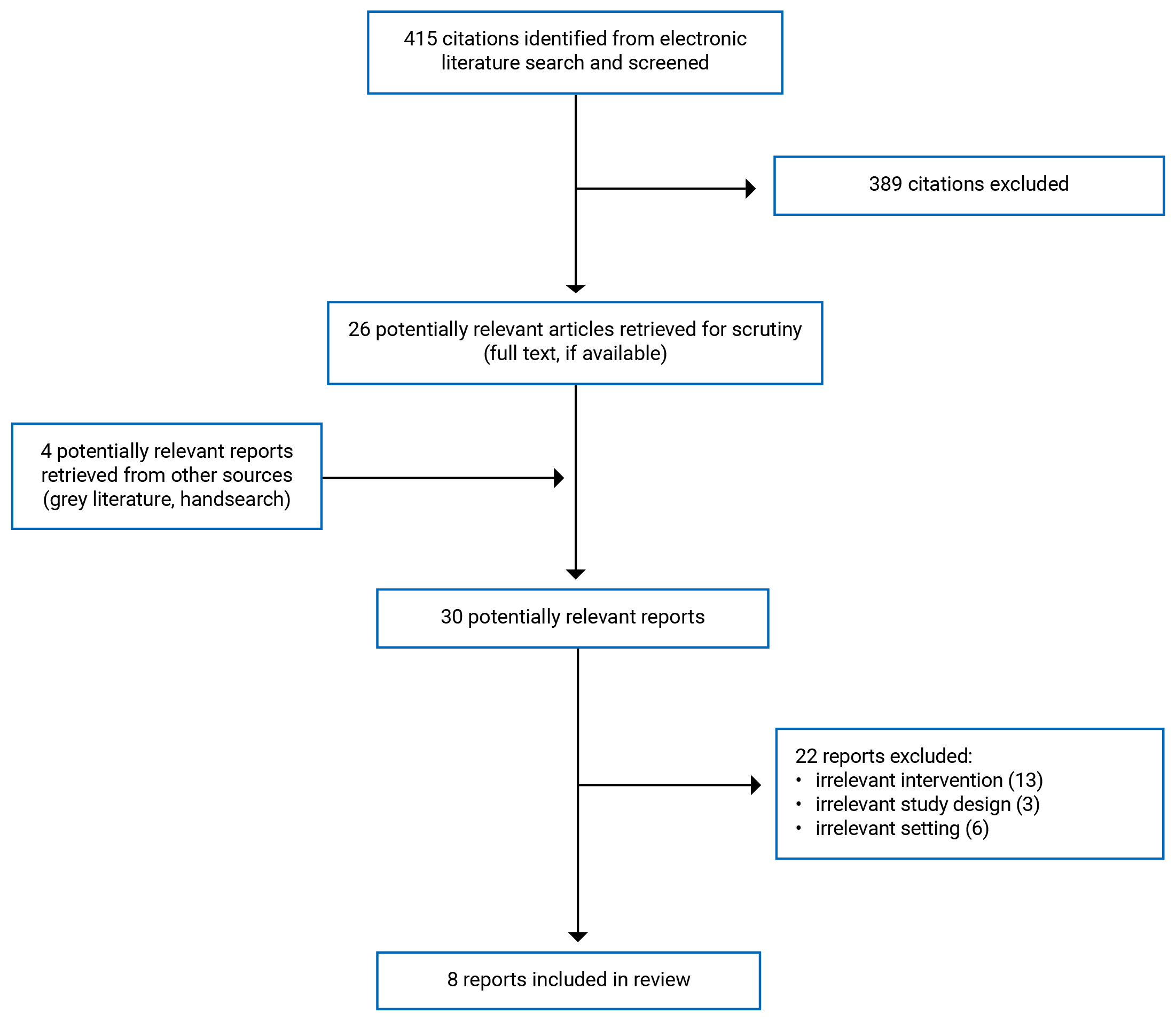
Figure 1: Selection of Included Studies — PRISMA28 Flow Chart of Selected Reports
Appendix 2: Detailed Findings
Please note that this appendix has not been copy-edited.
Table 4: Summary of Findings by Outcome — Adverse Events
Study | Outcome | Shared-canister group, no. of patients (%) | Single-patient canister group, no. of patients (%) | Risk ratio (95%CI) | P value | |
|---|---|---|---|---|---|---|
Gowan et al. (2016)25 | Ventilator-Associated Pneumonia | 14 (7.0) | 7 (4.6) | 1.513 (0.626 to 3.636) | 0.35 | |
NA | NA | 1.484 (0.916 to 2.408) | 0.41 | |||
Hospital Mortality | 44 (21.9) | 31 (20.4) | NR | 0.73 | ||
Ventilator-Associated Events (includes VACsa and infection-related VACsb) | 9 (4.5) | 1 (0.7) | 6.806 (0.872 to 53.147) | 0.048 | ||
NA | NA | 6.931 (2.910 to 20.166) | 0.07 | |||
Infection-related VAC | 3 (1.5) | 0 (0) | NR | 0.26 | ||
CI = confidence interval; NA = not applicable; NR = not reported; VAC = ventilator-associated condition.
aDefined as at least 2 calendar days of stable or decreasing daily minimum PEEP or FIO2, followed by at least 2 days of increased daily minimum PEEP or FIO2, where the increase in the daily minimum PEEP was greater than or equal to 3 cm H2O or where the increase in the daily minimum FIO2 was greater than or equal to 0.20 (or 20 percentage points in oxygen concentration).
bDefined as abnormal white blood cell count (greater than or equal to 12,000 Cells/µL or less than or equal to 4,000 Cells/µL) or temperature (greater than 38° or less than 36°C) and a new antimicrobial start.
Table 5: Summary of Findings by Outcome — Bacterial Growth
Study | MDI group | Bacterial growth |
|---|---|---|
Liou et al. (2014)8 | Used but before pharmacy cleaning (n = 17) | “No growth” |
Used and returned after pharmacy cleaning (n = 33) | “No growth” | |
New and unused MDI (control group) (n = 33) | “No growth” | |
Artificially contaminated MDIs after cleaning (n = 4) | “No growth” |
MDI = metered-dose inhaler.
Table 6: Summary of Findings by Outcome — Number of Colonies of Cultured Organisms
Study | Technique | After collection (before disinfection) | After disinfection | P value |
|---|---|---|---|---|
Matt et al. (2011)26 | Culturing technique | |||
Broth, n = 128 | 23.69 | NA | 0.0001 | |
Swab, n = 126 | 0.94 | NA | ||
Disinfection technique | ||||
Immersion, n = 127 | NA | 1.46 | 0.008 | |
Spray, n = 127 | NA | 6.80 | ||
Culturing and disinfection group combinations | ||||
Broth and Immerse (n = 71) | NA | 0.80 | 0.036 | |
Broth and Spray (n = 57) | NA | 8.42 | ||
Swab and Immerse (n = 56) | NA | 2.1 | 0.70 | |
Swab and Spray (n = 70) | NA | 5.2 | ||
NA = not applicable.
Appendix 3: Characteristics of Included Publications
Please note that this appendix has not been copy-edited.
Table 7: Characteristics of Included Studies for Research Question 1
Study citation, country, funding source | Study design and setting | Study objectives | Environmental strategies | Outcomes | Authors’ conclusions |
|---|---|---|---|---|---|
Laguë et al. (2026)20 Canada Funding source: No reported funding | Before and after study PFT laboratory of a specialized respiratory medicine centre (Institut Universitaire de Cardiologie et de Pneumologie de Québec) | Address challenges in improving inhaler management and the reduction of inhaler-related GHG emissions. | Intervention:
|
| There was a 97% reduction in the number of MDIs used per week (from 93 to 3) which decreased GHG emissions by 136,000 kg of CO2e. This reuse of the inhalers reduced costs by 18,000 CAD annually, and the replacement of disposable spacers is predicted to save an additional 10,000 CAD. |
Tong et al. (2025)23 Canada Funding source: Unfunded | Scoping Review | Identify the most environmentally responsible method of managing inhaler waste from Fraser Health hospital sites. | Recycling and disposal strategies |
| 3 relevant large-scale inhaler recycling programs:
|
Aeng et al. (2025)22 Canada Funding source: Unfunded | Before and after study (Quality improvement) A high-volume PFT clinic in Vancouver, British Columbia | To reduce the clinical and environmental risks associated with the inappropriate use of MDIs in PFT laboratories. | Weighing of inhalers to predict remaining doses (to enable reuse of inhalers across patients) |
| “Implementing a weight-based tracking protocol for MDIs in a pulmonary function testing clinic improved inhaler utilization by eliminating overuse, reducing premature disposal and supporting near-complete use of available doses. This simple, low-cost intervention addresses a critical gap in diagnostic accuracy and medication stewardship, offering a practical solution to prevent the risks associated with using functionally empty inhalers.”(p.300)22 |
Fisher et al. (2025)21 Canada Funding source: NR | Before and after study (Sustainability Quality Improvement) A hospital-based PFT lab at the Peter Lougheed Centre in Calgary, Alberta. | To reduce the number of discarded single-use Ventolin MDI inhalers in the PLC PFT by 20% in the 3 weeks after implementation of each of 2 interventions at a PFT lab in Calgary. |
|
| Using a multi-intervention approach, we decreased the waste of single-use Ventolin MDIs at the PLC PFT lab by 95%, making a significant change in greenhouse gas emissions in a short period of time (212.28 kg CO2e decrease per week) and significant cost savings, (estimated $246.76 CAD per week). This initiative is being expanded to the other 3 PFT labs in the Calgary Zone and will be reviewed provincially by the IPAC team. |
Loftus et al. (2024)6 Australia Funding source: Unfunded | Cross-sectional observation 39 lung function laboratories across Australia | Estimate the volume and determine the pattern of MDI use within Australia’s major lung function testing laboratories, and describe the practices that most influence the MDI-associated carbon footprint of BDR testing. | Intervention: Online survey assessing general laboratory information, frequency of BDR testing, type of MDIs, and reuse and disposal of MDIs. |
| Three key practices to reduce the carbon footprint of BDR testing:
5 of the 36 labs that reused at least 1 component of the MDI (canister or actuator) reported that they excluded 1 or more patient groups from reused MDIs: cystic fibrosis (n = 2), previous lung transplant (n = 2), known history of multidrug resistant bacteria in their sputum (n = 2). |
BDR = bronchodilator responsiveness; CO2e = carbon dioxide equivalent; CAD = Canadian dollars; GHG = greenhouse gas; MDI = metered-dose inhaler; NA = not applicable; NR = not reported.
Table 8: Characteristics of Included Studies for Research Questions 2 and 5
Study citation, country, funding source | Study design and setting | Study objectives | Population | Intervention and comparator(s) | Outcomes |
|---|---|---|---|---|---|
Gowan et al. (2016) US Funding source: Work “supported by the Barnes-Jewish Hospital Foundation” | Nonrandomized interventional study Medical and surgical ICUs of a 1,250-bed urban hospital in St. Louis, Missouri | Assess the safety and clinical outcomes associated with shared-canister inhalation therapy in mechanically ventilated subjects | Mechanically ventilated patients in medical or surgical ICU requiring MDI therapy with albuterol, ipratropium, or ipratropium and albuterol | Intervention: Shared-canister MDI therapy (using MDI canister and Aerovent collapsible holding chamber) Comparator: single-patient canister MDI therapy |
|
Liou et al. (2014) US Funding source: NR | Laboratory-based microbiological quality-control study 257-bed acute care facility in Lincoln, Nebraska. Quality-control program conducted between December 2012 and May 2013. | To implement a quality-control program to monitor and validate the safety of recycled MDIs for reuse across multiple patients | Patient characteristics were not reported. N = 83 Each month, 10% of MDIs from 3 categories were included: 1. before pharmacy cleaning (n = 17), 2. after pharmacy cleaning (n = 33), 3. new and/or unused control group (n = 33) | Intervention: MDIs administered to a single patient using a patient-specific valved holding chamber and then returned to the pharmacy for testing and cleaning with 70% isopropyl alcohol before re-dispensing to a new patient. The mouthpiece and canister spray tip from each MDI were tested. Comparator: new and/or unused MDIs were used as a control |
|
Matt et al. (2011) US Funding source: Fairview Hospital | Laboratory-based microbiological quality-control study 488-bed community hospital providing tertiary care, in Cleveland, Ohio. | Determine the appropriateness of reusing MDIs by assessing the type of bacterial flora encountered on MDIs and the best method for their disinfection. | Patients who use MDIs on general medical or surgical services N = 254 After use, MDIs were cultured using either a broth or swab method, then disinfected using either an immerse or spray method, leading to 4 groups: 1. Broth and immerse (n = 71), 2. broth and spray (n = 57), 3. swab and immerse (n = 56), and 4. swab and spray (n = 70) | Intervention: disinfection of MDIs using 70% isopropyl alcohol solution via either spray or immersion method, followed by 30 minutes of air drying. Comparator: Spray vs. immersion disinfection approaches No patient-level comparator group |
|
ICU = intensive care unit; MDI = metered-dose inhaler; VHC = valved holding chamber.
Appendix 4: Critical Appraisal of Included Publications
Table 9: Summary of the Risk of Bias of Included Studies Using the Revised JBI Quasi-Experimental Tool19
Study | Outcome | Internal validity bias | Statistical conclusion validity | |||||||
|---|---|---|---|---|---|---|---|---|---|---|
Question 1 | Question 2 | Question 3 | Question 4 | Question 5 | Question 6 | Question 7 | Question 8 | Question 9 | ||
Gowan et al. (2016) | Ventilator-associated pneumonia | Yes | Yes | Yes | Yes | No | Yes | Yes | Yes | Yes |
Hospital mortality | Yes | Yes | Yes | Yes | NA | Yes | Yes | Yes | Yes | |
Ventilator-associated events | Yes | Yes | Yes | Yes | No | Yes | Yes | Yes | Yes | |
Liou et al. (2014) | Bacterial growth | Yes | Yes | Unclear | Unclear | No | Yes | Yes | NA | No |
Matt et al. (2011) | Number of colonies | Yes | No | Unclear | Unclear | Yes | Yes | Yes | NA | Yes |
Please note that this appendix has not been copy-edited.
NA = not applicable.
Note: Response options for each question include “Yes,” “No,” “Unclear,” or “Not applicable.” Questions are framed to assess whether particular safeguards exist within the study to minimize the risk of bias, therefore more “Yes” scores indicate a lower risk of bias.
Appendix 5: Other References of Potential Interest
Please note that this appendix has not been copy-edited.
Systematic Reviews
Neel S, Tauman A. Can successful implementation of the common canister program deliver cost containment and improved infection control? Hosp Pharm. 2012;47(9):700 to 711.
Other
Caron C, Sajwani S, Bateman K, Degenhardt O, Gaudreau-Simard M, Pakhale S, Kanji S. Environmentally sustainable opportunities for health systems: metered-dose inhaler prescribing, dispensing, use and waste at a tertiary academic centre. Can Pharm J (Ott). 2024;157(6):315-323. doi:10.1177/17151635241268299.
Shu T, Ladhar S, Ong D, Chung A, Drummond I, Tejani AM. Tamper-proofing multidose medications in hospitals: high-value, low-effort interventions to reduce medication waste. Can J Hosp Pharm. 2025;78(3):e3748. doi:10.4212/cjhp.3748.
Appendix 6: CDA-AMC–Led Round Table Participant Guide
Please note that this appendix has not been copy-edited.
Strategies to Reduce the Environmental Impact of Metered-Dose Inhalers for Pulmonary Function Testing Labs: Participant Guide
About Canada’s Drug Agency
Canada's Drug Agency (CDA-AMC) is a not-for-profit organization responsible for providing health care decision-makers with objective evidence to help make informed decisions about the optimal use of health technologies, including drugs, diagnostic tests, medical, dental, and surgical devices and procedures. In addition to evidence, we also provide advice, recommendations, and tools. We do not make decisions about funding, nor do we conduct clinical trials. We gather, review, appraise, and summarize the available evidence for decision-makers. Projects come to us from provincial, territorial or federal jurisdictions, pharmaceutical companies, or we initiate them ourselves.
For more information about CDA-AMC, visit our website or read our Strategic Plan.
What is the aim of the Strategies to Reduce the Environmental Impact of Metered-dose Inhalers for Pulmonary Function Testing Labs Project?
This project aims to describe strategies and initiatives that have been employed across Canada and Internationally to reduce the environmental impact of metered-dose inhalers in pulmonary function labs; including the barriers and facilitators to the implementation of these strategies. Following an environmental scan of published and unpublished literature and roundtable engagement sessions a single evidence assessment report will be published.
What Will Happen During Each Session/Meeting?
Meeting participants will take part in a facilitated discussion to share their experiences, insights and ideas of identified strategies to reduce the environmental impact of metered-dosed inhalers in pulmonary function testing, including the reuse; recycling and patient-specific use of inhalers in clinical practice.
Canada’s Drug Agency staff will integrate insights from these sessions into the report in the form of a summary and develop a single evidence assessment report which will be published.
What Are the Main Points of Discussion?
The meeting will aim to address the following in the discussion with some guiding questions:
What strategies do you use to reduce the environmental impact of inhalers in your pulmonary function testing (PFT) lab?
Do you reuse inhalers?
Do you recycle inhalers?
Do you allow patients to bring their own inhalers?
What lessons have you learned that you’d like to share with others?
How Do I Prepare?
We would be grateful if in preparation for this meeting you review the following document of the overview of strategies identified through our literature review. Having an understanding of the strategies identified will help us to facilitate our roundtable discussion. Please come ready to share your experiences, insights and ideas on how these strategies are currently being implemented in your clinical practice and be prepared to share the lessons learned. We will also be sharing the Conflicts of Interest declared by participants in preparation for this meeting and requesting any updates on this when we meet.
Please ensure you are abiding by our Code of Conduct for Events for productive, meaningful, respectful discussion and dialogue.
Please also be prepared to introduce yourself in 30 seconds providing your name, background/specialty, location and the reason why this topic is of interest to you. Please be prepared to have your camera on in this session.
Time | Item | Lead |
|---|---|---|
(5 min) | 1. Welcome and Territorial Acknowledgement 2. Context of Project | Gino DeAngelis, Clinical Research Manager, CDA-AMC |
(5 min) | 3. Objectives and Format for Discussion, Process for introductions | Gemma Gunn, Engagement Officer, CDA-AMC |
(5 min) | 4. Introductions Name, role, connection to the topic | All |
(10 min) | 5. Presentation of CDA-AMC preliminary findings | Mel Dodd-Moher, Clinical Research Officer, CDA-AMC |
(5 min) | 6. Context and Experience with Inhaler Reuse/Weighing | Elissa Aeng, Medication Use Evaluation Pharmacist, Fraser Health BC |
(55 min) | 7. Roundtable Discussion Refer to discussion prompts | All, facilitated by Gemma Gunn, Engagement Officer, CDA-AMC |
(5 min) | 8. Closing | Gino De Angelis, Clinical Research Manager, CDA-AMC |
CDA-AMC = Canada’s Drug Agency.
We look forward to an engaging and enjoyable meeting and thank you for your participation.
Summary of Literature Review Findings
Research question: What strategies have been employed across Canada to reduce the environmental impact of metered-dose inhalers in pulmonary function labs?
Approach: Literature search for published and unpublished projects, in Canada or elsewhere, between 2016 and 2026.
Results: 5 relevant publications and/or projects found, representing 3 broad strategies
Publication | Location | Details | Results | Key Takeaway |
|---|---|---|---|---|
Strategy #1: Reusing Inhalers | ||||
Reducing Inhaler Waste and Costs Through Sustainable Interventions (Laguë et al., 2026) Laguë M, Giroux I, Sanctuaire A, et al. Reducing Inhaler Waste and Costs Through Sustainable Interventions. Editorial. Chest. Feb 2026;169(2):326 to 328. doi:10.1016/j.chest.2025.08.012 | Quebec, Canada | A PFT lab developed a disinfection and reuse procedure, manually logged the number of doses delivered per inhaler, and replaced disposable spacers with reusable spacers that can be reused up to 100 times. | Authors reported 97% reduction in the number of MDIs used per week (from 93 to 3), estimated reduction in GHG emissions by 136,000 kg CO2e annually, and reduction in costs of $18,000 CAD annually. The replacement of disposable spacers is predicted to save an additional $10,000 CAD annually. | Reusing inhalers and spacers, and tracking doses can greatly reduce medication waste. |
Weighing for accuracy: Reducing inhaler waste and misclassification in a pulmonary function clinic. (Aeng et al., 2025) Aeng ESY, Tejani AM, Kubotani A, Sran I, Yu MCW. Weighing for accuracy: Reducing inhaler waste and misclassification in a pulmonary function clinic. Canadian Journal of Respiratory, Critical Care, and Sleep Medicine. 2025;9(6):296 to 301. doi:10.1080/24745332.2025.2577203 | British Columbia, Canada | Using an equation that correlates the weight of a Teva-salbutamol MDI to the number of remaining doses, a PFT lab established a weighing protocol to assess overuse and underuse of MDIs. | Pre-intervention, 1 of 3 sampled inhalers was overused. Over 5 weeks post-intervention, none of the inhalers (n = 14) were overused. Additionally, due to safe extended use, 11 fewer inhalers were needed. This equated to an estimated 107 kg CO2e avoided and cost savings of $2,030 CAD annually. | Without dose counters, reusing inhalers carries clinical risk related to diagnostic accuracy of BDR testing if using functionally empty inhalers, and environmental risk due to underuse. A weight-based tracking protocol offers a simple solution to optimize inhaler use. |
Strategy #2: Recycling Inhalers | ||||
Environmentally Responsible Inhaler Disposal in Hospitals: Is There Such a Thing? (Tong and Tejani, 2025) Tong B, Tejani AM. Environmentally Responsible Inhaler Disposal in Hospitals: Is There Such a Thing? Can J Hosp Pharm. 2025;78(1):e3662. doi:10.4212/cjhp.3662 | British Columbia, Canada | A review seeking to identify the most environmentally responsible method of managing inhaler waste for Fraser Health sites. | The literature review identified 3, previously operational, large-scale inhaler recycling programs in Ireland and the UK. The authors also identified 2 Canadian recycling providers: Secure (British Columbia) and GoZero Recycling (Quebec). Both companies provide recycling boxes or pails for returns and have processes to separate metals and plastics for recycling. GoZero will also extract and recycle propellant gas when possible and incinerate the medicine and/or powder. At 1 site within the Fraser Health jurisdiction, the authors estimated needing to recycle 8,571 inhalers per year. The approximate cost of services provided by Secure to recycle these inhalers would be $8,550 CAD (about 150 inhalers per bucket, at a cost of $150 per bucket for pickup, transport, and disposal). Given that their current waste management company does not have the capabilities to recycle inhalers, authors reported that Fraser Health is exploring the use of these services. | For hospitals or clinics looking to recycle inhalers, Secure (in western Canada) or GoZero Recycling (in central or eastern Canada) may be good options to explore. |
Strategy #3: Patients Bring their Own Inhaler / Multi-Component Interventions | ||||
Use of metered dose inhalers for bronchodilator responsiveness testing: laboratory practices in Australia and opportunities for carbon footprint reduction (Loftus et al., 2024) Loftus MJ, Roberts J, Romeo N, et al. Use of metered dose inhalers for bronchodilator responsiveness testing: laboratory practices in Australia and opportunities for carbon footprint reduction. BMJ Open Respir Res. Dec 2024;11(1) doi:10.1136/bmjresp-2024-002478 | Australia | A survey of 39 PFT labs across Australia assessing disposal strategies, reusing MDIs, and number of doses used per BDR test. Authors also calculated and compared the carbon footprint of 6 different combinations of these laboratory practices. | 79% of labs used 4 doses of salbutamol per BDR test (range 2 to 12). Regarding disposal, 86% of labs sent MDIs to landfill; 11% sent MDIs for high-temperature incineration; and 3% (1 lab) recycled the MDIs. 92% (36 of 39) of labs reported reusing MDI canisters between patients, while 8% used a new MDI for each patient. Disinfection procedures of both the canister and actuator varied, but included using a disinfectant wipe, disinfectant soak, thermal disinfection, or no cleaning. A lab that used 4 doses per test, did not reuse MDIs, and disposed in the landfill had an estimated MDI-associated carbon footprint of 2,758 kg CO2e and costs of $650 AUD per 100 BDR tests. This is compared to a lab that used 2 doses per test, reused MDIs, and disposed via high-temperature incineration had a carbon footprint of 26.3 kg CO2e and costs of $6.5 AUD per 100 BDR tests. | Reducing the number of doses per BDR test has the greatest potential to decrease MDI-associated CO2e in PFT labs, followed by reusing MDIs across patients, and disposing of MDIs via high-temperature incineration.a |
Bring Your Own Bronchodilator (Fisher et al., 2025) Fisher D, Chen J, Papp D, et al. BYOBD - Bring your own Bronchodilator (Sustainable QI Project). 2025. | Alberta, Canada | A sustainable QI project that developed both a protocol for patients to ‘Bring Your Own Bronchodilator’ (BYOBD) to use at the PFT lab as well as a protocol for the disinfection and reuse of MDIs across patients. | With the BYOBD intervention alone, weekly discarded MDIs reduced from 23 to 14 (39% decrease). With the implementation of the reuse protocol, there was an additional 91% decrease (13 fewer MDIs) from the BYOBD intervention alone. With both interventions, this resulted in reduced weekly discarded MDIs of 95% (from 23 to 1.25). The authors estimated a resulting reduction of 212 kg CO2e per week (11,000 kg CO2e annually) and cost savings of $246 CAD per week ($12,000 CAD annually). Patient and staff surveys were largely positive. Clinical outcomes were not measured. | Implementing a protocol for patients to bring their own inhaler and to reuse inhalers is feasible and results in large reductions in MDI use. |
AUD = Australian dollar; BDR = bronchodilator responsiveness; CAD = Canadian dollar; kg CO2e = kilograms of carbon dioxide equivalent; GHG = greenhouse gases; IP&C = infection prevention and control; MDI = metered-dose inhaler; PFT = pulmonary function test.
aRecycling MDIs was not considered.
ISSN: 2563-6596
Canada’s Drug Agency (CDA-AMC) is a pan-Canadian health organization. Created and funded by Canada’s federal, provincial, and territorial governments, we’re responsible for driving better coordination, alignment, and public value within Canada’s drug and health technology landscape. We provide Canada’s health system leaders with independent evidence and advice so they can make informed drug, health technology, and health system decisions, and we collaborate with national and international partners to enhance our collective impact.
Disclaimer: CDA-AMC has taken care to ensure that the information in this document was accurate, complete, and up to date when it was published, but does not make any guarantee to that effect. Your use of this information is subject to this disclaimer and the Terms of Use at cda-amc.ca.
The information in this document is made available for informational and educational purposes only and should not be used as a substitute for professional medical advice, the application of clinical judgment in respect of the care of a particular patient, or other professional judgments in any decision-making process. You assume full responsibility for the use of the information and rely on it at your own risk.
CDA-AMC does not endorse any information, drugs, therapies, treatments, products, processes, or services. The views and opinions of third parties published in this document do not necessarily reflect those of CDA-AMC. The copyright and other intellectual property rights in this document are owned by the Canadian Agency for Drugs and Technologies in Health (operating as CDA-AMC) and its licensors.
Questions or requests for information about this report can be directed to Requests@CDA-AMC.ca.