Drugs, Health Technologies, Health Systems
Peer-Reviewed Article
A Review of Genomic Data Holdings in the Atlantic Provinces
Authors: Ted McDonald, Rachelle Entz, Laurence Lambert-Côté, Priya Bhakat, Timipere Allison, Samuel Cookson, Nidhi Kamath
Key Messages
The founder effect occurs when an isolated population inherits the genetic and phenotypic traits of a small group of founders, leading to differences from the larger surrounding population over time. Recessive genes and genetic illness can be more prevalent in these groups due to the smaller gene pools.
Atlantic Canada is home to multiple populations shaped by founder effects, such as those in Newfoundland and Labrador and the Acadian populations in Nova Scotia and New Brunswick. However, the availability of genomic datasets and past genetic research has not yet been mapped.
This project aimed to identify and summarize the genomic datasets available for populations in Atlantic Canada, with particular attention to the FAIR (findable, accessible, interoperable, and reusable) principles.
Searches of the literature and communications with researchers indicate there are rich genomic data collected that have been used for secondary research (reusable), which are not necessarily easily findable, accessible, or interoperable because they are held by individual researchers not a centralized repository.
Background
A person’s genetic makeup interacts with many facets of environmental, socioeconomic, and health system factors, influencing congenital conditions, medication metabolism, and their predisposition to develop adverse health conditions across the life span. The founder effect occurs when a population becomes isolated and, over generations, its descendants’ phenotypic and genotypic traits still resemble the original group of founders, making the population noticeably different from the wider population.1 Due to the smaller gene pools, recessive genes and genetic illness can be more prevalent in these groups.1
Atlantic Canada is home to multiple populations shaped by founder effects, such as those in Newfoundland and Labrador and the Acadian populations in Nova Scotia and New Brunswick.2,3 The founder populations of Newfoundland and Labrador can be traced back to Irish Catholic and English Protestant settlers, as well as Indigenous Peoples.3 The Acadian population in the Maritimes is thought to descend from approximately 50 French families who settled in Canada before 1650.2
Despite the unique genetic makeup of the population living in Atlantic Canada and the potential prevalence of rare genetic mutations due to founder effects, the availability of genetic datasets and past genetic research has not yet been mapped.
The FAIR (findable, accessible, interoperable, and reusable) principles were developed in 2014 to target issues related to data access and usability. In particular, findable requires studies and data to be described with metadata that allow identification and the data can be registered in a searchable resource.
The purpose of this document is to provide a summary report for Canada’s Drug Agency (CDA-AMC) that documents the characteristics and specifications of genomic datasets that have been collected in the Atlantic provinces. This will allow data to be more “findable” in accordance with the FAIR principles and serve as the foundation for subsequent data ecosystem development in Atlantic Canada. In turn, development of that data ecosystem will allow more genomic data to be incorporated into real-world evidence studies, resulting in richer and more insightful analyses to support decision-making regarding approval and listing of pharmaceuticals in the Atlantic provinces.
Project Goal
As a first step to understanding the genomic data parameters of the people living in Atlantic Canada, this project aims to assemble and document the characteristics and specifications of genomic datasets that have been collected in the Atlantic provinces. This summary report will provide a foundation for subsequent data ecosystem development in Atlantic Canada and support the work of CDA-AMC on the Canadian Rare Disease Strategy.
Methods
The approach involved 2 main sources of data: published literature and interviews with key informants.
Literature Review
The literature review was based on information drawn from the bibliographies of genomics researchers and organizations in Atlantic Canada (Newfoundland and Labrador, Prince Edward Island, Nova Scotia, and New Brunswick). As a starting point, the faculty pages of Dalhousie University and Memorial University of Newfoundland were searched for researchers who listed genetics or genomics as an area of interest. From February to April 2025, the names of researchers and genomics centre contacts were also extracted from staff lists and listed partner organizations from genomic research and testing centres in Atlantic Canada (refer to Appendix 3 in the Supplemental Material document).
Up to the first 100 results (English and French) for each researcher’s bibliography were scanned by title and abstract on Google Scholar and in the University of New Brunswick (UNB) online library catalogue. Articles not referring to human genetics; not including populations from Newfoundland and Labrador, Prince Edward Island, Nova Scotia, or New Brunswick; with fewer than 25 individuals (unless the article stated that they had attempted to include all people with a genetic condition or mutation); or in languages other than English or French were excluded (refer to Appendix 1 in the Supplemental Material document for exclusion criteria). If the inclusion criteria were unclear based on the title and abstract, the full article was obtained when possible. If relevance could not be determined based on the article title and abstract, and the full article could not be obtained through UNB Libraries or other public sources, the article was excluded. If only an abstract could be obtained but there was enough information included to satisfy the criteria, information from the abstract was included in Appendix 2 in the Supplemental Material document and the abstract was noted as the source.
The review process was iterative. Researchers were added as they were identified through included studies. RE conducted the initial screening of the titles and abstracts (refer to Appendix 3 in the Supplemental Material document for a list of the researchers and organizations searched on Google Scholar and in UNB Libraries catalogue).
Titles were selected based on the title and abstract (or the title only if the abstract was not available on Google Scholar or in the UNB Libraries catalogue). RE and LLC further screened these articles for relevance (refer to Appendix 4 in the Supplemental Material document). Relevant information from the identified articles was extracted. It is included in the table available in Appendix 2 in the Supplemental Material document. Information from the articles was extracted by only 1 reviewer (either RE or LLC) unless the relevance of an article was unclear based on the first reviewer. In these instances, the article was assessed by both RE and LLC for relevance. Due to feasibility constraints, a full systematic review of all published papers was not possible; however, any additional datasets identified through interviews or email correspondence were included, with supplementary follow-up data gathering. This process continued until no additional datasets meeting the criteria were identified.
Informant Interviews
Based on the literature search, we prepared a list of potential contacts, including names, designation, and contact details (this can be made available upon request). In addition to the contacts identified through the literature search, we also relied on existing networks and collaborations (e.g., the Maritime SPOR SUPPORT Unit, Health Data Research Network Canada, Secure Island Data Repository, Health Data Nova Scotia, Newfoundland and Labrador Health Services [NL Health Services], and CDA-AMC) to help identify relevant individuals. A letter of introduction (refer to Appendix 5 in the Supplemental Material document) that described the purpose of the project and requested follow-up was sent to each person identified. Those contacted were also requested to direct us to any additional individuals or organizations working with genomic data in Atlantic Canada, when applicable. Researchers were also asked about additional datasets they were aware of; no additional datasets were identified this way.
Contacted individuals were offered the choice of providing information on genomic datasets or research via email or a structured (virtual) interview. A questionnaire was drafted by the research team to reflect key dimensions of genomic data collection and access that were identified by CDA-AMC. The draft was reviewed for clarity and completeness by 2 individuals involved in the collection and analysis of genomic data in New Brunswick, and adjustments were made based on their feedback (refer to Appendix 6 in the Supplemental Material document).
The questionnaire was divided into 6 parts: source of data, characteristics of the dataset, data access and privacy, data use, data sharing, and data linkage. The online survey was conducted using LimeSurvey, and interviews were conducted through MS Teams. Consent to record and transcribe the interview was collected from all participants before interviewing or surveying them, and interviews were recorded for internal review purposes. Transcripts were reviewed to identify any new datasets and relevant information about these datasets, such as the purpose of the collected data (clinical or research), location of storage, current data custodian, availability of the data for secondary information, and availability of raw data.
In consultation with DataNB’s privacy officer, it was determined that a research ethics board (REB) was not required for this work. The purpose of the project was to provide a summary of genomic data resources in Atlantic Canada to support future policy development around data sharing and data standards. The main objective for the interviews was to supplement the information gathered from publicly available resources. Interviewees agreed in advance to provide relevant additional information, either via the questionnaire or an interview, and at the commencement of the interview provided consent to the information they provided being incorporated into the report. Please note that the identities of the correspondents have been suppressed for confidentiality because explicit consent was not provided for in-text citations.
Results
Findings From the Literature Review
In total, 42 researchers and organizations based in Atlantic Canada with published work involving Atlantic Canada genomics studies were identified and searched as described (refer to Appendix 3 in the Supplemental Material document). This was approximately 8,400 titles and abstracts. Of these, 337 titles were selected based on the titles and abstracts (or the title only if the abstract was not available on Google Scholar or in the UNB Libraries catalogue). Of the 337 titles, a total of 128 articles were included in our literature review.
Relevant information was extracted and organized by the province of the research participants. This information is presented in Appendix 2 in the Supplemental Material document. The distribution of the included articles by province of the genetic samples is shown in Figure 1. Most articles (76%) included genetic samples from Newfoundland and Labrador.
No relevant articles published by researchers in Prince Edward Island were found. The University of Prince Edward Island REB confirmed that no genomic-related research projects have been submitted for review to date. Residents of Prince Edward Island may be included in studies conducted in Nova Scotia or New Brunswick.
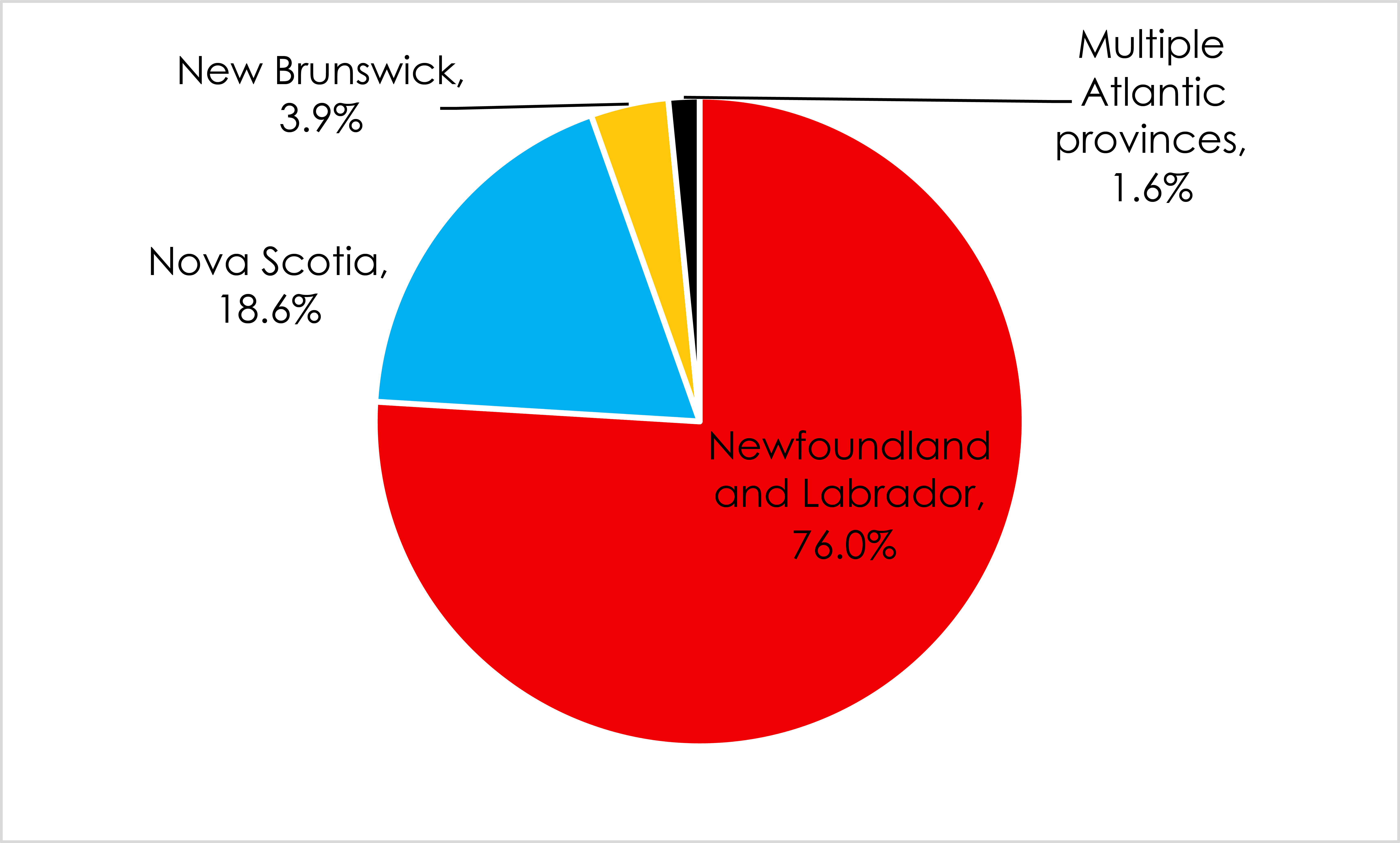
Most information was gleaned through communications with researchers. This dataset is described further in the Findings From Surveys and Interviews section of this report.
Newfoundland and Labrador
A total of 98 studies used genetic samples from individuals who originated from Newfoundland and Labrador. Details of these studies are provided in Table 5 in Appendix 2 in the Supplemental Material document. Various conditions and populations were studied, including the general population in Newfoundland and Labrador.3-5 Conditions studied included:
autoimmune conditions, including psoriatic arthritis and psoriasis,31-48 spondyloarthritis,49-54 Crohn disease,55 and autoinflammatory disease56
rare genetic disorders, including Lynch syndrome,57-63 Bardet-Biedl syndrome,64-69 Stargardt disease,70 genetically linked hearing loss,71-77 autosomal-dominant arrhythmogenic right ventricular cardiomyopathy (ARVC),78-82 familial intracranial aneurysm,83 familial and sporadic idiopathic pulmonary fibrosis,84 and dominant hereditary spastic ataxia85
other conditions, including osteoarthritis,86-93 linkage disequilibrium,94 food addiction,95 and catecholaminergic polymorphic ventricular tachycardia.96
It was noted in some of the Newfoundland and Labrador literature that there were plans to develop data repositories relating to mismatched repair genes and Lynch syndrome that were based in Newfoundland and Labrador or included samples from people in Newfoundland and Labrador.59-63 Woods et al. (2007)59 reported there was a public database established at Memorial University of Newfoundland: the mismatch repair genes variant database. The amount of data stored is unclear, and the database was merged with the International Society for Gastrointestinal Hereditary Tumours (InSiGHT) database.60-63 This was noted in multiple articles exploring the genetics of Lynch syndrome in Newfoundland and Labrador.60-63 Summaries of the Newfoundland and Labrador articles along with the research contacts listed for the articles are available in Table 5 in Appendix 2 in the Supplemental Material document.
All datasets described Table 1 were generated by recruiting participants for research studies rather than through retrospective clinical data. Multiple studies included individuals with spondyloarthritis49-54 and genetically linked hearing loss,71-77 but it was unclear if these studies all used the same participants. Additionally, multiple studies recruited individuals with genetically linked illnesses and their families. These included studies examining Bardet-Biedl syndrome,64-69 genetically linked hearing loss,71-77 familial intracranial aneurysm,83 familial and sporadic idiopathic pulmonary fibrosis,84 and dominant hereditary spastic ataxia.85 Pedigrees were generated; researchers collected data and accessed patient charts. Peripheral blood samples were collected, and testing was conducted for specific genes known to cause disease. It was not clear how many individuals were included in the final datasets or how many had genetic sequencing. Details on some datasets were unclear from the literature and therefore are not discussed here.
Multiple datasets were identified in both the literature and interviews. The CODING dataset86-93,95 and the NL Genome Project dataset,4,5 which include data from the general Newfoundland and Labrador population and specific subpopulations with various illnesses; the Newfoundland Familial Colorectal Cancer Registry (NFCCR);7,8,12,13,18-28 another colorectal cancer dataset (that is not NFCCR); the Newfoundland Osteoarthritis Study (NFOAS),87-93 a psoriatic arthritis dataset, a psoriasis-specific dataset, and an ARVC dataset78-82 (refer to Table 1). These datasets were collected for research purposes and were accessed for secondary use. They range in size from 300 (ARVC dataset) to 2,500 (NL Genome Project dataset) individuals.
The CODING dataset was collected for research purposes from 752 people aged 19 years or older, born in Newfoundland and Labrador, had families who had lived in Newfoundland and Labrador for at least 3 generations, and who did not have serious metabolic, cardiovascular, or endocrine diseases.88,95 The purpose of the CODING dataset was to provide a repository of control cases, which was used in multiple studies.86-93 The genomic data available for the CODING dataset varies depending on which studies used the data (personal communication, May 28, 2025). It is likely that it has been used as the source for controls (people without various conditions) in other retrieved studies, but this was not expressly stated and could not be verified.
The NL Genome Project dataset was collected more recently with the goal of generating genetic information on the general Newfoundland and Labrador population to inform medication and precision medicine studies.97
The NFCCR, which was used in the most retrieved studies, has been used in both genome-wide association studies (GWAS)3,12 and whole exome sequencing (WES) in addition to panels.7,8,13 It has also been used in studies conducted by the Colorectal Transdisciplinary (CORECT) consortium.18-27 Except for the non-NFCCR colorectal cancer (panel) dataset and the ARVC datasets (single mutation), whole genome sequencing (WGS), WES, or GWAS was conducted on samples in these datasets, and the researchers possessed the raw data. Genomic data from the studies retrieved were generally not uploaded to larger databases; however, raw data are available from the principal researchers who are typically the data custodians. Information on these datasets, including sample sizes, data custodians, the testing conducted, linkability to administrative data, and relevant REB approvals, is available in Table 1.
Nova Scotia
Relevant information from 23 studies that included genetic samples from the Nova Scotia population were extracted (refer to Table 3 in Appendix 2 in the Supplemental Material document).98-120 These studies examined diverse health conditions, including eye conditions (familial exudative vitreoretinopathy [FEVR], exfoliation syndrome),108,109,111-114 congenital conditions (fetal structural anomalies, Meier-Gorlin syndrome, autosomal-dominant kidney disease),99,100,120 cancers (Merkel cell carcinoma, multiple myeloma, Lynch syndrome, renal cell carcinoma, colonic mixed adenoendocrine carcinoma, and neuroendocrine carcinoma),98,101-107,110,115 and psychiatric disorders (bipolar disorder, anxiety disorders).116-119
Data were collected both retrospectively from clinical data and prospectively for research purposes. Studies on eye conditions,108,109,111,113,114 congenital conditions,100,120 and psychiatric disorders116-119 were from prospective cohorts recruited for research, except for the fetal structural anomalies99 study, which was retrospectively collected from clinical records. Conversely, data for cancer studies were largely collected through routine clinical practice and accessed retrospectively,98,101-107,110,115 although previously collected tumours were often used for prospective testing.102-107,110,115
Four verified datasets were described in the literature: a bipolar disorder dataset,116-118 an FEVR dataset, an exfoliation syndrome dataset, and a Merkel cell carcinoma dataset (refer to Table 2). These datasets ranged from 51 individuals106,107 to 403 individuals.108,109 The raw data for all datasets are held by Nova Scotia researchers. Sample size information was unclear for the exfoliation syndrome and FEVR datasets. These values could not be confirmed by researchers. The FEVR dataset is not limited to the Nova Scotia population; a minority of the participants were reported to come from Nova Scotia (personal communication, June 2, 2025). Currently, the Nova Scotia–based datasets discussed in this section have not been deposited in centralized genomic libraries or databases; however, cancer datasets may soon be available through the Atlantic Cancer Consortium (ACC) (described further in the Findings From Surveys and Interviews section). Generally, the linkability of datasets was not described in the literature and was not confirmed by data custodians, except for the Merkel cell carcinoma dataset, which was confirmed to be nonlinkable (personal communication, June 23, 2025).
New Brunswick
Five genomic articles regarding the New Brunswick population were retrieved and information was extracted (refer to Table 3 in Appendix 2 in the Supplemental Material document).2,121-124 These studies included mostly patients with various cancers, such as breast carcinoma,121,122 myeloid neoplasms,123 and pancreatic ductal adenocarcinoma,124 but also individuals of Acadian heritage without known disease.2
As was the case for the cancer studies in Nova Scotia, genetic samples were generally pulled from specimens previously collected for clinical purposes and genetic testing.121-124 The New Brunswick carrier screening study collected questionnaires and blood samples prospectively for research purposes.2
Two datasets described in the literature were confirmed in conversation with researchers: the New Brunswick carrier screening dataset,2 an ongoing data collection initiative that currently includes genetic data from 240 participants (420 when complete), and a breast and ovarian cancer genetic screening dataset, which includes genetic testing data for 306 individuals.122 Although not currently in place, there are plans for the New Brunswick carrier screening dataset to be included in the Pan-Canadian Genome Project. Information on these datasets, including sample sizes, data custodians, testing conducted, linkability to administrative data, and relevant REBs is available in Table 3.
Multiprovince
Two multiprovince datasets were discovered through our literature: one regarding the Atlantic PATH research project125 and a second with people who have spinal muscular atrophy (SMA) (refer to Table 2 in Appendix 2 in the Supplemental Material document). The second dataset aimed to include all people born between 2000 and 2020 with SMA from Prince Edward Island, Nova Scotia, and New Brunswick by including blood work that was positive for the SMN1 marker.126 This dataset was small (only 30) and was not mentioned in any correspondences.126 It would be included in the broader Germline Clinical dataset outlined in the IWK Health Clinical Data Access, Privacy, and Linkability section and in Table 2. The Atlantic PATH research dataset is described in more depth under the Multiprovince section in Findings From Surveys and Interviews and in Table 4.
Findings From Surveys and Interviews
Internet searches for datasets and literature searches were useful in identifying datasets. However, interviews and other communications provided rich information regarding the flow of data and the processes required to access data. In some cases, they confirmed the existence of datasets. Overall, 50 people from different organizations or institutes across Atlantic Canada were contacted for this project. We conducted interviews with 16 researchers and received 12 email responses from multiple researchers and organizations (a list of researchers who were contacted can be provided upon request). In some datasets, no people with a condition were included; in others, no people without the specified condition were included. Datasets collected for clinical purposes only include patients (people with a specified condition). In other instances, such as the Atlantic PATH, the New Brunswick carrier screening, CODING, and NL Genome Project datasets, the goal was to collect data on the general population rather than people with a particular condition. In these instances, only an overall number is indicated rather than people with and without a condition.
Newfoundland and Labrador
Most genomic publications retrieved came from samples from Newfoundland and Labrador. We interviewed 6 clinicians and researchers from Newfoundland and Labrador regarding genomic data availability and steps to access data. Genomic datasets were identified in Newfoundland and Labrador but, similar to the research datasets in Nova Scotia, datasets are held by individual researchers as data custodians rather than central repositories or research databases (researchers are encouraged to publish variant findings in the ClinVar database [personal communication, March 31, 2025; personal communications, March 31, 2025; March 31, 2025; April 10, 2025]). Data collection and sequencing follow different processes for different datasets. Additionally, we gained some insight into the process of accessing data collected for clinical purposes.
Newfoundland and Labrador Clinical Data
Clinical testing in Newfoundland and Labrador is outsourced out of the province (personal communication, March 31, 2025). Similar to both New Brunswick and Nova Scotia, clinical results are communicated to clinicians through the Shire system and historically accessed as paper charts, but these reports are in the process of being digitized. In some cases, reports have been uploaded into the electronic medical record system (personal communication, March 31, 2025). The approximate number of people receiving clinical genetic testing was not available.
Newfoundland and Labrador Clinical Data Access, Privacy, and Linkability
Based on discussions with other provinces, it is likely that only genetic reports, rather than raw data, would be available. Consents for clinical genomic testing currently do not address secondary use, but there are hopes that these provisions will be included in the future (personal communications, March 31, 2025; March 31, 2025; March 31, 2025). Clinical data may be considered for secondary use pending REB approval. In this instance, a local principal investigator (PI) from the Provincial Medical Genetics Program would be required (personal communication, June 11, 2025). A figure displaying the flow of genomic clinical data is available in the Supplemental Material document (Figure 8 in Appendix 7).
Newfoundland and Labrador Research Data
Overall, genomic data are project dependent and held by individual researchers rather than centralized repositories or institutions (personal communication, March 31, 2025). This can make identifying datasets a challenge; however, rich pedigrees accompanying many datasets were stated to be a strength (personal communication, March 31, 2025).
Eight verified datasets were identified that had been collected for research purposes: 2 were collected to represent the general population (CODING and NL Genome Project datasets) and 6 to collect data on people with various medical conditions (NFCCR, other colorectal, psoriasis, psoriatic arthritis, NFOAS, ARVC). Data custodians could be reached for only 3 identified datasets: NFOAS dataset, the psoriasis dataset, and the ARVC datasets.
Some additional information on the psoriatic arthritis and NFCCR datasets was gathered through researchers. The NFOAS started in 2011 by recruiting approximately 800 participants about to undergo total joint replacements due to osteoarthritis (personal communication, May 28, 2025). People undergoing total joint replacement due to injury were recruited as controls (personal communication, May 28, 2025). Blood samples, articular cartilage, subchondral bone, and synovial fluid were collected. Additional samples from people without osteoarthritis were processed through blood samples provided by participants in the CODING study (personal communication, May 28, 2025). GWAS, WES, and RNA sequencing data (binary alignment/map [BAM] and Variant Call Format [VCF] files) are available for secondary use with this cohort (personal communication, May 28, 2025). The psoriasis dataset was collected in 1995 from 1,200 participants with psoriasis through a psoriasis clinic and 800 participants without psoriasis (personal communication, April 10, 2025). Longitudinal clinical data are still being collected in living patients (personal communication, April 10, 2025). GWAS sequencing was conducted, and raw data and samples are in the possession of the Newfoundland and Labrador–based data custodian with the possibility of secondary research projects (personal communication, April 10, 2025). Multiple articles assessed genetic aspects of psoriatic arthritis within the Newfoundland and Labrador population.31-37,39,50,53 A psoriatic arthritis dataset was confirmed with interviews and is reported to have raw data from GWAS, WES, and genetic panels for 200 to 300 participants (personal communication, May 28, 2025).
Newfoundland and Labrador Research Data Access, Privacy, and Linkability
The NFOAS and psoriasis datasets are linkable to administrative health data (personal communication, May 28, 2025); the NFCCR and CODING datasets are not (personal communication, May 28, 2025). More generally, the Newfoundland and Labrador genetics researchers highlighted the importance of ensuring medically actionable findings through data that can be linked back to participants, while also respecting participant privacy (personal communications, March 31, 2025; March 31, 2025; May 28, 2025).
Specific procedures are still being determined, but multiple researchers expressed the importance of having a local PI when external institutions wish to access data (personal communications, March 31, 2025; March 31, 2025). This allows for deidentification of data for external researchers, while internal researchers can maintain the ability to link findings back to patients if a medically actionable finding is discovered. Additionally, REB approval is required from the Health Research Ethics Authority of Newfoundland and Labrador, memoranda of understanding, and material transfer agreements if data are removed from researcher’s laboratories (personal communications, March 31, 2025; March 31, 2025; May 28, 2025). Figure 9 in Appendix 7 in the Supplemental Material document depicts the flow of genomic data for research projects. Additionally, flow charts specific to the psoriasis dataset and NFOAS dataset are also available (Figures 10 and 11 in Appendix 7 in the Supplemental Material document).
Table 1: Datasets From Newfoundland and Labrador Identified Through Literature Review and Interviews
Dataset description | NFOAS | CODING study | NFCCR | Other colorectal cancer | Psoriatic arthritis | Psoriasis | ARVC | NL Genome Project |
|---|---|---|---|---|---|---|---|---|
Sample characteristics | Primarily total knee or hip joint replacement in patients with osteoarthritis and ≈ 120 samples from the CODING study (without osteoarthritis) and patients with TJR from injuries (without osteoarthritis). | 3,000 volunteers (with ≥ 3 generations in Newfoundland and Labrador). Unclear how many have genetic data. | Patients diagnosed with colorectal cancer aged < 75 years at diagnosis; 750 (64%) from 708 families. People without colorectal cancer from random digit dialling in Newfoundland and Labrador matched to with colorectal cancer by sex and age. Blood sample (552 people), tumour tissue (772 tumours from 750 with colorectal cancer) (1999 to 2003). | Retrospective cohort of 280 patients followed for ≤ 12.5 years after diagnosis. From Avalon Peninsula, Newfoundland and Labrador. Nontumour colon and rectum tissues (1997 to 1998). | People with psoriatic arthritis. | Patients with psoriasis with European descent and ethnically matched individuals without psoriasis. Blood samples (some nail and buccal mucosa samples). Collected in 1995. | 367 individuals from sibships and 11 families (≥ 50% known to be at high or low risk of ARVC as determined by clinical, pedigree, and/or haplotype data). Groupings were classified as affected, unaffected, or unknown. (Status known in ≥ 50% of siblings.) | Random recruitment from general practice clinics across Newfoundland and Labrador of individuals aged ≥ 18 years with valid Newfoundland and Labrador health card. Saliva samples. |
Data format | Raw data | Raw data | Raw data | Raw data | Raw data | Raw data | Report | Raw data |
Overall sample size, N | Approximately 1,000 | 3,000 | Refer to Sample Characteristics and Genetic Testing Conducted | 272 genotyped | 200 to 300 | 2,000 | Blood samples from 295 individuals available | 2,446 |
With condition, n | ≈ 800 | NA | Unclear | 272 | 200 to 300 | 1,200 | Unclear | NA |
Without condition, n | ≈ 200 | 3,000 | Unclear | NA | 0 | 800 | Unclear | NA |
Purpose of collection | Research | Research | Research | Clinical care | Research | Research | Research and clinical care | Research |
Data custodian(s) | Dr. Guangju Zhai | Dr. Guang Sun | Dr. Michael Woods | Unclear; Dr. Sevtap Savas listed as contact for papers referencing this cohort | Dr. Proton Rahman | Unknown | Dr. Kathleen Hodgkinson | Dr. Gerald Mugford, Dr. Dennis O’Keefe |
REB | NL Health Research Ethics Authority | |||||||
Secondary research access | Yes | Yes | Yes | Yes | Yes | Yes | Yes | Yes |
Linkable | Yes | No | No | No | Yes | Yes | No | No |
Genetic testing conducted | GWAS (1,000 people) WES (300 people) RNA sequencing | GWAS (refer to NFOAS) | GWAS (Illumina Human Omni1-Quad > 1 million SNP markers. 505 had usable data); 195 with colorectal cancer, 477 without colorectal cancer on Affymetrix Axiom platform (1.1 million SNPs). WES (≥ 16 families [DeRycke et al. (2013)11]). Panel (ABI 3,700 DNA Analyzer8 | Pannel (Sequenom MassARRAY technology) | GWAS WES Panel | GWAS (820,000 SNPs assessed using UK Biobank Axiom Array) | Panel testing conducted in smaller sample (to identify causal variant). Single mutation (DNA from all available individuals born at a priori 50% risk [n = 295] across the 15 ARVC families for the presence of the 1073C → T TMEM43 mutation) | WGS (1,721,246 SNPs genotyped using the Illumina Global Diversity Array [Illumina, San Diego]) |
Nongenetic data collection | Cartilage DNA myelination, subchondral bone and synovial fluids (< 50), metabolic assessment 330, medical record (drugs, health status), WOMAC questionnaire (at TJR and 1 year after) | Participants provided information via a general questionnaire. Many consented to secondary use. Prospective researcher required to conduct genomic sequencing | Without condition: risk factor questionnaire With condition: permission to access their tumour specimens and medical records | For all: clinical data collected. Prognostic data collected from medical and hospital records and the Newfoundland and Labrador Centre for Health Information | NA | Physical exam characteristics. Working with Newfoundland and Labrador Centre for Health Information to provide easy linkage with administrative data | Pedigree data, annual cardiomyopathy clinic data (ECGs, Holter monitors, MRIs, ECHOs). Medical records, including “at-risk” relatives not seen in clinic and autopsy results | Information also collected on religion and the birthplace of their parental ancestors |
Sources | Personal communication, May 28, 2025 | Personal communication, May 28, 2025 | Personal communication, May 28, 2025 | Personal communication, May 28, 2025 | Personal communication, April 10, 2025 | Personal communication, March 31, 2025 | ||
ARVC = autosomal-dominant arrhythmogenic right ventricular cardiomyopathy; CODING = Complex Diseases in the Newfoundland population: Environment and Genetics; ECHO = echocardiogram; GWAS = genome-wide association study; NA = not available; NFCCR = Newfoundland Colorectal Cancer Registry; NFOAS = Newfoundland Osteoarthritis Study; REB = research ethics board; SNP = single-nucleotide polymorphisms; TJR = total joint replacement; WES = whole exome sequencing; WGS = whole genome sequencing; WOMAC = Western Ontario and McMaster Universities Osteoarthritis Index. Nova Scotia
Nova Scotia has 2 sites for clinical testing: the Clinical Genomics Laboratory (CGL) at IWK Health for germline testing and the Department of Pathology and Laboratory Medicine for somatic testing at Nova Scotia Health (personal communication, March 12, 2025). Information on these data sources was based in part from interviews conducted with 3 researchers at IWK Health and 1 researcher at the Department of Pathology and Laboratory Medicine.
IWK Health Clinical Data
The CGL provides care to people across the Maritimes, and approximately 15,000 people have been referred (personal communication, March 12, 2025; personal communication, May 28, 2025). Data are processed in-house or through Blueprint. The CGL at IWK Health is the data custodian; however, the raw data generated from sequencing is currently held in the Illumina cloud (for samples processed in-house) and by external sequencing companies (personal communication, March 12, 2025; personal communication, May 28, 2025). Therefore, only reports of genetic variants are currently accessible (this report is not currently included in the patient’s electronic medical record). The laboratory is in the process of repatriating data and will gain access to the BAM and VCF files in the future. Table 3 provides more information on the CGL germline clinical dataset (personal communication, March 12, 2025; personal communication, May 28, 2025).
IWK Health Clinical Data Access, Privacy, and Linkability
Currently, available research has been limited to small, internal studies. Consent language does not presently account for secondary research (personal communication, March 12, 2025; personal communication, May 28, 2025). Data linkage with administrative data is feasible but complicated in practice by siloed data and privacy considerations (personal communication, March 12, 2025; personal communication, May 28, 2025). IWK Health is the data custodian; any data access would be required to go through the IWK Health REB (personal communication, March 12, 2025; personal communication, May 28, 2025). A joint access request and privacy impact assessment would be required as well as having a PI from the CGL. In future, the CGL is hoping to develop formal procedures for accessing data and a federated network to facilitate genomics research (personal communication, March 12, 2025; personal communication, May 28, 2025). Figure 6 in Appendix 7 in the Supplemental Material document displays the flow of clinical data.
No generalized or project-specific research flow charts are available for genomic data collected for Nova Scotia. Processes can differ substantially between projects. Availability of research data for secondary research is unclear. Information collected through interviews regarding individual Nova Scotia research datasets was not sufficient for flow chart creation.
Nova Scotia Health Somatic Clinical Data
The Department of Pathology and Laboratory Medicine provides somatic testing related to cancers and neoplasms to approximately 2,000 to 3,000 patients per year (since 2013) around the Maritimes. The laboratory covers various commercially available panels processed with Illumina next-generation sequencing equipment. All testing is done in-house, and the raw data (FastQs generated by the sequencer, BAM files, VCFs produced) are held in-house. Refer to Table 2 for information on the clinical dataset.
Nova Scotia Health Somatic Clinical Data Access, Privacy, and Linkability
No formal processes are in place for external institutions to access data from the Department of Pathology and Laboratory Medicine for research purposes. Consent language for clinical somatic testing does not specifically allow for research use. REB approval from the Nova Scotia Health Authority would be required, and a local PI would need to be included to access data. Linkage may technically be possible but would be complicated in practice due to lack of explicit patient consent. Refer to Figure 7 in Appendix 7 in the Supplemental Material document for the flow of somatic genomic data and access to genomic data.
Table 2: Datasets From Nova Scotia Identified Through Literature Review and Interviews
Dataset description | Merkel cell carcinoma dataset | Exfoliation syndrome dataset | Somatic clinical dataset | FEVR dataset | Bipolar disorder dataset | Germline clinical dataset |
|---|---|---|---|---|---|---|
Sample characteristics | Primary cutaneous MCC samples from Maritime Canada through Pathology Department of Victoria General Hospital and QEII Health Sciences Centre in Halifax (1993 to 2020). | Blood samples (WES) and ocular tissues (GWAS) from patients with exfoliation syndrome enrolled. Control samples drawn from discarded blood samples at Core lab. Deidentified, no reidentification. | All clinical NGS somatic testing from across Nova Scotia and Prince Edward Island and some from New Brunswick and Newfoundland and Labrador. Consent obtained. (Since 2017.) | Patients and family members affected by FEVR. Blood or saliva samples collected (1998 to ongoing). Note: minority (number unspecified) from Nova Scotia. | People with DSM-III or DSM-IV diagnosis of a bipolar spectrum disorder in Nova Scotia, who have been taking lithium ≥ 6 months. | Patients in Nova Scotia, New Brunswick, Prince Edward Island, and sometimes Newfoundland and Labrador requiring germline genetic testing in Clinical Genomics Lab (IWK Health). Includes testing for various genetic mutations and conditions (all ages). |
Data format | Raw data (BAM and VCF files); report | Raw data | Raw data (FASTQ, BAM, and VCF files); report | Raw data; report | Raw data | Report |
Overall sample size, N | 51 | Unknown | 2,000 to 3,000 per year | Unclear, ≥ 94 | 353 | ≈ 15,000 |
With condition, n | 51 | 403 (WES), 341 (GWAS), 136 (replication cohort) | 2,000 to 3,000 per year | Unclear | 353 | ≈ 15,000 |
Without condition, n | NA | 392 (WES), 247 (GWAS), 747 (replication cohort) | NA | Unclear | NA | NA |
Purpose of collection | Research | Research | Clinical care | Research | Research | Clinical care |
Data custodian | Dr. Michael Carter | Dr. Andrew Orr | Dr. Daniel Gaston | Dr. Johane Robitaille | Dr. Martin Alda | Dr. Victor Martinez |
REB | NSH REB | NSH REB | NSH REB | IWK REB | NSH REB | IWK REB |
Secondary research access | Yes | Unclear | Yes | Unclear | Unclear | No |
Linkable | No | Unclear | Yes | Unclear | Unclear | Unclear |
Genetic testing conducted | Panel (523 cancer-related genes) | GWAS (Illumina OmniExpress BeadChip) WES (Illumina HiSeq 4000 and NovaSeq 6000 instruments) | Panel (≈ 50 genes) RNA sequencing Single mutation | WES (Illumina NextSeq 550) Panel (Applied Biosystems Prism 3100 Genetic Analyzer) | SNP array from Illumina Omni1-Quad in GWAS1 (n = 241) Illumina OmniExpress 1·1) (n = 121) | WGS GWAS WES Panel |
Nongenetic data collection | NA | Eye testing results available for people with condition | Pathology reports | Eye exams, IV fluorescein angiography fundus photography | Clinical interviews, medical records, self-reported surveys | Phenotypic data collected |
Sources | Personal communications: May 29, 2025 June 13, 2025 June 23, 2025 | Personal communication: May 29, 2025 | Personal communication: May 29, 2025 | Personal communication: May 29, 2025 | Personal communications: March 12, 2025 May 28, 2025 |
BAM = binary alignment map; DSM = Diagnostic and Statistical Manual of Mental Disorders; FEVR = familial exudative vitreoretinopathy; GWAS = genome-wide association study; MCC = Merkel cell carcinoma; NA = not applicable; NGS = next-generation sequencing; NSH = Nova Scotia Health; QEII = Queen Elizabeth II; REB = research ethics board; SNP = single-nucleotide polymorphism; VCF = variant call format; WES = whole exome sequencing; WGS = whole genome sequencing. New Brunswick
Four New Brunswick researchers were interviewed from both regional health authorities: 3 affiliated with Vitalité Health Network and 1 affiliated with Horizon Health Network. These researchers and clinicians were affiliated with 2 centres in New Brunswick involved in genomic testing: the Dr. Georges-L.-Dumont University Hospital Molecular Genetics Laboratory and the Molecular Diagnostics Division of Laboratory Medicine at Saint John Regional Hospital. No other centres were named in the literature or in interviews with researchers within New Brunswick.
Vitalité Clinical Data
There are both a research group and a clinical geneticist serving people in New Brunswick in the Vitalité Health Network through the Dr. Georges-L.-Dumont University Hospital. Through interviews, we gained insight into the flow of data as well as the availability of data for secondary use and linkability to administrative data. Approximately 1,000 individuals per year are assessed in the genetics clinic (personal communication, March 20, 2025). Although most individuals are from New Brunswick, a minority are from Nova Scotia and Prince Edward Island (personal communication, March 20, 2025).
Patients are genetically tested through a variety of modalities, largely through third-party sequencing companies such as Blueprint Genetics, Cento-gene, and MNG (personal communication, April 25, 2025); however, targeted gene testing is performed in-house at the Dr. Georges-L.-Dumont University Hospital (personal communication, March 20, 2025). Raw data are typically generated and processed into a report by third-party sequencing companies and not made available for clinical purposes or retained by the third-party sequencers unless requested at the time of sequencing. Only paper copies of genetic reports provided by the third-party sequencers are retrieved and kept in patient charts and in the genetics clinic (personal communication, March 20, 2025). Information regarding the clinical dataset is presented in Table 3. A flow chart displaying the genetic data creation and access process is available in Figure 3 in Appendix 7 in the Supplemental Material document.
Vitalité Research Data
One research-generated dataset was mentioned in interviews and communications, the New Brunswick Carrier Screening Project dataset, which aims to conduct a 342-gene panel on 60 people from each of New Brunswick’s 7 health zones (420 people total, with 240 from 4 health zones collected to date) who have at least 1 grandparent with Acadian ancestry born in the region. These data will eventually be available (deidentified) through the Pan-Canadian Genome Project. All participants will also complete a survey including self-reported family history and demographics which will be collected in Excel tables (personal communication, March 20, 2025). This project was sequenced with Fulgent Genetics at McGill University. Raw data are not held by external labs unless requested (personal communication, April 25, 2025); for this project, the raw data are maintained at McGill University, and some have been repatriated to Moncton. Reports are also being generated for clinicians. These data will eventually be available (deidentified) through the Pan-Canadian Genome Project. A flow chart displaying the genetic data creation and access process is available in Figure 4 in Appendix 7 in the Supplemental Material document.
Vitalité Data Access, Privacy, and Linkability
Previously, external organizations have not obtained retrospective genetic report data (personal communication, March 20, 2025). The consents obtained for clinical genetic testing do not currently include permissions for secondary research. Studies may be allowed through the Vitalité Health Network REB if data are deidentified, no additional testing is needed, and more than 60 people are included in the proposed study (personal communication, March 20, 2025), such as in the study by Gauvin et al. (2025).122 Additional processes would be required to access medical genetic reports from third-party sequencing companies (personal communication, April 25, 2025). A local PI would typically be required; formal processes are not in place for external researchers or organizations to access data. Genetic reports are theoretically linkable to administrative health data but, in practice, this would be quite complicated because the administrative data are siloed and linkage would have to be performed manually (personal communication, March 20, 2025). Research ethics approval from the Vitalité Health Network REB would be required for any secondary use of data initially obtained for clinical purposes (personal communication, March 20, 2025).
Obtaining access to genetic data collected for research purposes follows a similar process to that for clinical data, although more raw data have been repatriated and more sequencing is conducted in-house. Genomic data are stored on servers maintained by the Digital Research Alliance of Canada (DRAC) or in-house (personal communication, March 20, 2025).
Horizon Clinical Data
We spoke with 1 clinician within Horizon Health involved in referring patients for clinical genetic testing at the Molecular Diagnostics Division of Laboratory Medicine at Saint John Regional Hospital. The Molecular Diagnostics Division of Laboratory Medicine has processed genomic data (mostly from cancerous tumour samples) for hundreds of patients of Horizon Health over the past 10 years. Samples are processed in-house from commercially available genetic panels including approximately 500 variants (with fewer variants available in genetic panels from earlier years). Raw data (BAM files and data processing files) are housed within the laboratory, and clinical reports are provided to referring physicians.
Horizon Data Access, Privacy, and Linkability
Data are not generated for research purposes, and official processes are not in place for accessing data for research programs through Horizon. Consent forms signed by patients do not include provisions for secondary use; however, it has been used for internal research purposes on a small number of occasions for samples sizes greater than 100 persons (personal communication, April 10, 2025) after Horizon Health Network REB review. More official processes are being put in place. External organizations would likely require a local PI if accessing data because the raw data are only available directly within the Molecular Diagnostics Division of Laboratory Medicine at Saint John Regional Hospital. Although linkage is theoretically possible, due to siloed health information and paper charting, such linkage would need to be conducted manually using patient charts. A flow chart displaying the flow of clinical data is available in Figure 5 in Appendix 7 in the Supplemental Material document. Datasets available from New Brunswick are outlined in Table 3.
Table 3: Datasets From New Brunswick Identified Through Literature Review and Interviews
Dataset description | Retrospective breast and ovarian cancer dataset | Vitalité clinical dataset | Horizon Health clinical dataset | New Brunswick carrier screening dataset |
|---|---|---|---|---|
Sample characteristics | A retrospective study of people who received a genetics consultation at the Medical Genetics Clinic in Moncton, New Brunswick, between October 2019 and July 2022, with a personal or family history of breast or ovarian cancer and had genetic testing. | Individuals requiring germline testing (multiple ages, ethnicities, conditions, and phenotypic presentations). Majority of individuals are from New Brunswick with some from Nova Scotia and Prince Edward Island. | Tumour and blood samples (majority cancer genomics cases providing tumour samples) in New Brunswick health zones served by Horizon Health Network over the past 10 years, processed at the Molecular Diagnostics Division of Laboratory Medicine at Saint John Regional Hospital. | 60 (7 regions total) people from each health zone in New Brunswick with at least 1 Acadian grandparent born in the region. |
Data format | Report | Report | Raw data; report | Raw data; report |
Overall sample size, N | 306 with genetic testing | ≈ 1,000 per year | > 100 per year | 240 (420 when complete) |
With condition, n | 306 | ≈ 1,000 per year | > 100 per year | NA |
Without condition, n | NA | NA | NA | NA |
Purpose of collection | Clinical care | Clinical care | Clinical care | Research |
Data custodians | Dr. Eric Allain, Dr. Mouna Ben Amor | Dr. Mouna Ben Amor | Dr. Doha Itani | Dr. Eric Allain |
REB | Vitalité Health Network REB | Vitalité Health Network REB | Horizon Health Network REB | Vitalité Health Network REB |
Accessed for secondary research | Yes | No | Yes | Yes |
Linkable to administrative data | Yes | No | Yes | No |
Genetic testing conducted | Panel (268 people) Single mutation (39 people) | WGS WES Panel RNA sequencing Single mutation | Panel (covers approximately 500 variants) | Panel (342 genes) |
Nongenetic data collection | Data on cancer history and some demographic information included | NA | NA | Survey information (age, sex, ethnicity, socioeconomic level), stored in Excel format |
Sources | Literature: Gauvin et al. (2025)122 Personal communication, March 20, 2025 | Personal communication, March 20, 2025 Personal communication, April 25, 2025 | Personal communication, April 10, 2025 | Literature: Robichaud et al. (2022)2 Personal communication, March 20, 2025 Personal communication, April 25, 2025 |
NA = not available; REB = research ethics board; WES = whole exome sequencing; WGS = whole genome sequencing.
Multiprovince
Two multiprovincial datasets were identified through internet and literature searches: the ACC and Atlantic PATH. Researchers from Atlantic PATH and the ACC provided insight into the data acquisition and availability of these multiprovincial datasets (refer to Table 4).
Atlantic Cancer Consortium (Research)
Four researchers working on the ACC provided insight into the project. The ACC is part of the Terry Fox Marathon of Hope Cancer Centres Network. It aims to create a federated network that will be accessible to researchers who become consortium members. Newfoundland and Labrador, Nova Scotia, and New Brunswick will each have a local PI, and health facilities within each province will submit blood and tumour tissue samples (from consenting patients with multiple forms of cancer) for WGS and RNA sequencing (personal communication, April 10, 2025; personal communication, May 29, 2025). Although the samples may be collected retrospectively (from previously collected tumour and blood samples) or prospectively, all samples receive the same sequencing. So far, 1,000 participants have been sequenced (personal communication, November 19, 2025). Deidentified data will be uploaded to the consortium portal (federated system facilitated by CanDIG), and researchers will be able to search cancer genetic demographic data in the portal, such as how many cancer cases can be attributed to a particular mutation (personal communication, May 29, 2025). The type of questions the dataset is oriented to answer (e.g., correlation studies, clinical, health technology assessment) was not specified; however, raw data from WGS and RNA sequencing will be available to researchers through a data application process in lossless .bam or .fastq.gz format (personal communication, May 29, 2025).130,131 Information on the dataset is available in Table 4.
Atlantic Cancer Consortium Data Access, Privacy, Linkability
Consent allows for access to raw data for research (personal communication, April 10, 2025; personal communication, May 29, 2025). Samples will be deidentified at the site where they are obtained and could be reidentified to provide reports to physicians for patient care, but ACC consent forms explicitly state that participants will not be reidentified for additional purposes. Therefore, data linkage to administrative health data for secondary research would not be feasible through the ACC (personal communication, April 10, 2025; personal communication, May 29, 2025). To obtain data, membership with the consortium is expected in addition to an REB application to the applicant’s local institution and an access application to the Marathon of Hope Access Committee (personal communication, May 29, 2025). A flow chart displaying the genetic data creation and access process is available in Figure 1 in Appendix 7 in the Supplemental Material document.
Atlantic PATH (Research)
Atlantic PATH enrolled participants aged 30 to 74 years from 2009 to 2015 in Newfoundland and Labrador, Prince Edward Island, Nova Scotia, and New Brunswick (email correspondence, February 19, 2025; May 23, 2025). Participants provided toenail, urine, blood, and saliva samples; completed questionnaires; and had physical measures collected (email correspondence; February 19, 2025; May 23, 2025). To date, 1,000 genetic samples have undergone WGS, with plans to process 22,000 samples. Data and biosamples are retained in Atlantic PATH (Halifax) (email correspondence; February 19, 2025; May 23, 2025). Information on the dataset is available in Table 4.
Atlantic PATH Access, Privacy, and Linkability
Atlantic PATH has a data access process for researchers interested in using its data holdings and biosamples. Requirements include REB approval. Consent allows for data linkage to cancer registries and other administrative health data through institutional linkage agreements. Atlantic PATH currently holds cancer registry data for Nova Scotia and Newfoundland and Labrador. For administrative health data, agreements are currently in place with Health Data Nova Scotia and DataNB (previously the New Brunswick Institute for Research Data and Training), and in progress with the Secure Island Data Repository and Newfoundland and Labrador Health Services (email correspondence, February 19, 2025; May 23, 2025). Health Data Nova Scotia and DataNB hold Atlantic PATH data for their respective provinces that can be linked to administrative data holdings (email correspondence, February 19, 2025, May 23, 2025). There is an existing access process between Atlantic PATH, administrative data holders, CanPath, and The Health Data Resource Network (depending on the number of provinces and so on). Additional details can be provided by contacting Atlantic PATH and/or the administrative data holder directly at Ellen.Sweeney@dal.ca or visiting the Atlantic PATH website130 (email correspondence, February 19, 2025; May 23, 2025). A flow chart displaying the genetic data creation and access process is available in Figure 2 in Appendix 7 in the Supplemental Material document.
Table 4: Datasets From Multiple Atlantic Provinces Identified Through Literature Review and Interviews
Dataset description | Atlantic Cancer Consortium | Atlantic PATH (genotyped) |
|---|---|---|
Province | Newfoundland and Labrador, Nova Scotia, New Brunswick | Newfoundland and Labrador, Prince Edward Island, Nova Scotia, New Brunswick |
Sample characteristics | People with colorectal and lung cancer; both tumour samples and peripheral blood samples provided (germline testing) | Toenail, urine, blood, and saliva samples collected from 2009 to 2015 from individuals aged 30 to 74 years |
Data format | Raw data | Raw data |
Overall sample size, N | 1,000 | Genotyped: 1,000 Future: ≈ 22,000 additional participants |
With condition, n | 1,000 (people with various malignancies) | NA |
Without condition, n | None | NA |
Purpose of collection | Research | Research |
Data custodians | Dr. Sherri Christian (Newfoundland and Labrador), Dr. Robin Urquhart (Nova Scotia), Dr. Anthony Reiman (New Brunswick) | Atlantic PATH Data Platform and Biorepository (Research Director: Dr. Ellen Sweeney) |
REB application process | Become member of ACC Apply to local institutional REB Submit access application to Marathon of Hope data access committee | PI’s Home institution REB Nova Scotia Health REB and/or Dalhousie University REB (facilitated by Atlantic PATH) |
Accessed for secondary research | Yes | Yes |
Linkable to administrative data | No | Yes |
Genetic testing conducted | WGS (minimum 80 × tumour, 30 × normal or 30 × tumour, 30 × normal) RNA sequencing (minimum 80 million) | WGS (Illumina MEGA array, 1.8 million SNPs) |
Nongenetic data collection | Data such as clinical outcomes, stage, treatment | Demographics, comorbidities, cancer history, lifestyle habits, and so on; physical measurements (height, weight, waist and hip circumference, body composition, and blood pressure) |
Sources | Literature: MOHCCN Technology Working Group (2026);131 MOHCCN Technology Working Group (2025)132 Personal communication, April 10, 2025; personal communication, April 23, 2025; personal communication, May 29, 2025 | Literature: Sweeney et al. (2017)125 Email correspondence, February 19, 2025, and May 23, 2025 |
ACC = Atlantic Cancer Consortium; MOHCCN = Marathon of Hope Cancer Centres Network; NA = not applicable; PATH = Partnership for Tomorrow’s Health; PI = principal investigator; REB = research ethics board; SNP = single-nucleotide polymorphism; WGS = whole genome sequencing.
Summary of Main Findings
Limited Genomic Data in Atlantic Canada
FAIR standards require data to be findable, accessible, interoperable, and reusable.133 Our search of the literature and communications with researchers found that there are rich genomic data collected that have been used for secondary research (reusable), but are not necessarily easily findable, accessible, or interoperable.
Data are generally held by individual data researchers rather than held in a centralized repository, and metadata on particular datasets are not typically held in any centrally accessed resource. Appendix 2 in the Supplemental Material document provides multiple genomics-related publications by province and the medical condition being investigated. Details could not be verified for some datasets that were cited in the published literature, including for spondylarthritis, 49-53 hearing loss,71-77 Stargardt disease,70 Bardet-Biedl syndrome,64-69 and others, particularly in the Newfoundland and Labrador population. Additionally, not all researchers could be contacted; therefore, additional attempts may be warranted by researchers with an interest in specific areas of genomics (refer to Appendix 2 in the Supplemental Material document). This showcases the challenge of identifying relevant datasets, which in turn hampers accessibility of these resources. Notably, large datasets including genetic data on hundreds or thousands of individuals do exist with raw data available, mainly in Newfoundland and Labrador (refer to Tables 1 to Table 4).
Clinical data are held in fewer locations and are more findable than datasets developed for research purposes. Clinical data poses accessibility and interoperability limitations. Clinics such as the clinical laboratories Maritime Medical Genetics in Halifax and the Dr. Georges-L.-Dumont University Hospital Genetics Clinic do not currently allow access to the majority of raw genetic data. For Maritime Medical Genetics Service, which does most of the germline medical testing for New Brunswick, Nova Scotia, and Prince Edward Island, steps are being taken to repatriate raw data from third-party sequencers. Such data could provide a rich source of genomic data for research, provided a federated research platform is established. The use of these datasets for secondary research and linkage of genomic data to health administrative data is complicated by a lack of provision for these processes in clinical consent forms and siloed health data. Maritime Medical Genetics Service, Vitalité Health Network, and IWK Health have expressed interest in making data more widely available in a potentially linkable form. These organizations have taken steps to increase access to genomics data on individuals in Atlantic Canada. As more clinics consider secondary research in the medical consent process, and as electronic and centralized medical records become the norm, genomic data may become more accessible and interoperable.
In addition to researchers expressing interest in developing models that respect patient and participant privacy while also improving availability of genomic data for research, there are projects currently providing findable, assessable, and interoperable data on people in the Atlantic provinces. The ACC and Atlantic PATH (Table 4) have datasets and centralized repositories for data with publicly accessible protocols and processes to access both genomic data and support medical information. The ACC will eventually have easily accessible metadata through internet searches.
Finally, there is a lack of data on individuals of non-European ancestry within research projects conducted in the Maritimes. Genome Atlantic noted that the Canadian Precision Health Initiative seeks to collect genomic data specifically on Black individuals in Canada. The project was only announced in 2025, but the project plans to include people in Nova Scotia (personal communication, March 25, 2025).134
Conclusion
This project aimed to identify and summarize the genomic datasets available for populations in Atlantic Canada. By summarizing the available data, our hope is that more researchers will gain awareness of where to find relevant datasets. This project also identified key genomics researchers in the Atlantic Canada region and areas of growth regarding access to genomic data. More data are needed on privacy policies and processes in place to improve accessibility while protecting patient and participant privacy and health.
Authors and Acknowledgements
Disclaimer: Funding for this project was provided by CDA-AMC and is gratefully acknowledged. The views expressed herein are those of the authors, and not necessarily those of CDA-AMC or of the researchers who provided information for the report. To the best of the authors’ knowledge, the information included is current and correct as of the time of publication, and any remaining errors are the responsibility of the authors.
Authors
Ted McDonald, PhD, principal investigator and corresponding author, Director, DataNB, tedmcdon@unb.ca
Rachelle Charlotte Entz, MSc, Health Research Analyst, DataNB
Laurence Lambert-Côté, MSc, Health Research Analyst, DataNB
Timipere Felix Allison, PhD , Research Assistant, DataNB
Priya Bhakat, PhD, Program Evaluator, DataNB
Samuel Robert Cookson, MSc, Data Analyst, DataNB
Nidhi Kamath, MSc, Program Evaluator, DataNB
Acknowledgements
We thank the researchers who gave their time to inform us of their important contributions to genomic research in Atlantic Canada. The following individuals consented to be acknowledged: Eric Allain, PhD (interview); Mouna Ben Amor, MD (interview); Michael Carter, MD, PhD (email correspondence); Holly Etchegary, PhD (email correspondence); Britta Fiander, PEng (interview); Jean Mamelona, PhD (interview); Anthony Reiman, MD, SM, FRCPC (interview); Ellen Sweeney, PhD (email correspondence); Kristin Tweel, PhD (interview); Robin Urquhart, PhD (email correspondence); Guangju Zhai, PhD (interview).
Conflicts of Interest
No conflicts of interest were declared.
References
1.National Human Genome Research Institute. Founder Effect [Internet]. 2026 [cited 2026 Apr 2]. Available from: https://www.genome.gov/genetics-glossary/Founder-Effect
2.Robichaud PP, Allain EP, Belbraouet S, Bhérer C, Mamelona J, Harquail J, et al. Pathogenic variants carrier screening in New Brunswick: Acadians reveal high carrier frequency for multiple genetic disorders. BMC Med Genomics. 2022 Dec;15(1):98. doi:10.1186/s12920-022-01249-1 PubMed
3.Zhai G, Zhou J, Woods MO, Green JS, Parfrey P, Rahman P, et al. Genetic structure of the Newfoundland and Labrador population: founder effects modulate variability. Eur J Hum Genet. 2016 Jul;24(7):1063–70. doi:10.1038/ejhg.2015.256 PubMed
4.Zurel H, Bhérer C, Batten R, MacMillan ME, Demiriz S, Mirhendi S, et al. Characterization of Y chromosome diversity in newfoundland and labrador: evidence for a structured founding population. Eur J Hum Genet. 2025 Jan;33(1):98–107. doi:10.1038/s41431-024-01719-3 PubMed
5.Gilbert E, Zurel H, MacMillan ME, Demiriz S, Mirhendi S, Merrigan M, et al. The Newfoundland and Labrador mosaic founder population descends from an Irish and British diaspora from 300 years ago. Commun Biol. 2023 Apr 28;6(1):469. doi:10.1038/s42003-023-04844-9 PubMed
6.Etchegary H, Pike A, Puddester R, Watkins K, Warren M, Francis V, et al. Cancer prevention in cancer predisposition syndromes: A protocol for testing the feasibility of building a hereditary cancer research registry and nurse navigator follow up model. Stortz J, editor. PLOS ONE. 2022 Dec 22;17(12):e0279317. doi:10.1371/journal.pone.0279317
7.Woods MO, Hyde AJ, Curtis FK, Stuckless S, Green JS, Pollett AF, et al. High Frequency of Hereditary Colorectal Cancer in Newfoundland Likely Involves Novel Susceptibility Genes. Clin Cancer Res. 2005 Oct 1;11(19):6853–61. doi:10.1158/1078-0432.CCR-05-0726 PubMed
8.Wish TA, Hyde AJ, Parfrey PS, Green JS, Younghusband HB, Simms MI, et al. Increased Cancer Predisposition in Family Members of Colorectal Cancer Patients Harboring the p.V600E BRAF Mutation: a Population-Based Study. Cancer Epidemiol Biomarkers Prev. 2010 Jul 1;19(7):1831–9. doi:10.1158/1055-9965.EPI-10-0055 PubMed
9.Woods MO, Younghusband HB, Parfrey PS, Gallinger S, McLaughlin J, Dicks E, et al. The genetic basis of colorectal cancer in a population-based incident cohort with a high rate of familial disease. Gut. 2010 Oct 1;59(10):1369–77. doi:10.1136/gut.2010.208462 PubMed
10.Clarke E, Green RC, Green JS, Mahoney K, Parfrey PS, Younghusband HB, et al. Inherited deleterious variants in GALNT12 are associated with CRC susceptibility. Hum Mutat. 2012 Jul;33(7):1056–8. doi:10.1002/humu.22088 PubMed
11.DeRycke MS, Gunawardena SR, Middha S, Asmann YW, Schaid DJ, McDonnell SK, et al. Identification of Novel Variants in Colorectal Cancer Families by High-Throughput Exome Sequencing. Cancer Epidemiol Biomarkers Prev. 2013 Jul 1;22(7):1239–51. doi:10.1158/1055-9965.EPI-12-1226 PubMed
12.Haja Mohideen AMS, Hyde A, Squires J, Wang J, Dicks E, Younghusband B, et al. Examining the Polymorphisms in the Hypoxia Pathway Genes in Relation to Outcome in Colorectal Cancer. Gerger A, editor. PLoS ONE. 2014 Nov 18;9(11):e113513. doi:10.1371/journal.pone.0113513
13.Haja Mohideen AMS, Dicks E, Parfrey P, Green R, Savas S. Mitochondrial DNA polymorphisms, its copy number change and outcome in colorectal cancer. BMC Res Notes. 2015 Dec;8(1):272. doi:10.1186/s13104-015-1250-5 PubMed
14.Xu W, Xu J, Shestopaloff K, Dicks E, Green J, Parfrey P, et al. A genome wide association study on Newfoundland colorectal cancer patients’ survival outcomes. Biomark Res. 2015 Dec;3(1):6. doi:10.1186/s40364-015-0031-6 PubMed
15.Zhu Y, Wang PP, Zhai G, Bapat B, Savas S, Woodrow JR, et al. Association of rs2282679 A>C polymorphism in vitamin D binding protein gene with colorectal cancer risk and survival: effect modification by dietary vitamin D intake. BMC Cancer. 2018 Dec;18(1):155. doi:10.1186/s12885-018-4026-1 PubMed
16.Curtis A, Yu Y, Carey M, Parfrey P, Yilmaz YE, Savas S. Examining SNP-SNP interactions and risk of clinical outcomes in colorectal cancer using multifactor dimensionality reduction based methods. Front Genet. 2022 Aug 3;13:902217. doi:10.3389/fgene.2022.902217 PubMed
17.Savas S, Xu J, Werdyani S, Shestopaloff K, Dicks E, Green J, et al. A Survival Association Study of 102 Polymorphisms Previously Associated with Survival Outcomes in Colorectal Cancer. BioMed Res Int. 2015;2015:1–9. doi:10.1155/2015/968743 PubMed
18.Dorani F, Hu T, Woods MO, Zhai G. Ensemble learning for detecting gene-gene interactions in colorectal cancer. PeerJ. 2018 Oct 29;6:e5854. doi:10.7717/peerj.5854 PubMed
19.Schumacher FR, Schmit SL, Jiao S, Edlund CK, Wang H, Zhang B, et al. Genome-wide association study of colorectal cancer identifies six new susceptibility loci. Nat Commun. 2015 Jul 7;6(1):7138. doi:10.1038/ncomms8138 PubMed
20.Bien SA, Su YR, Conti DV, Harrison TA, Qu C, Guo X, et al. Genetic variant predictors of gene expression provide new insight into risk of colorectal cancer. Hum Genet. 2019 Apr;138(4):307–26. doi:10.1007/s00439-019-01989-8 PubMed
21.Guo X, Lin W, Wen W, Huyghe J, Bien S, Cai Q, et al. Identifying Novel Susceptibility Genes for Colorectal Cancer Risk From a Transcriptome-Wide Association Study of 125,478 Subjects. Gastroenterology. 2021 Mar;160(4):1164-1178.e6. doi:10.1053/j.gastro.2020.08.062 PubMed
22.Thomas M, Sakoda LC, Hoffmeister M, Rosenthal EA, Lee JK, Van Duijnhoven FJB, et al. Genome-wide Modeling of Polygenic Risk Score in Colorectal Cancer Risk. Am J Hum Genet. 2020 Sep;107(3):432–44. doi:10.1016/j.ajhg.2020.07.006 PubMed
23.Archambault AN, Su YR, Jeon J, Thomas M, Lin Y, Conti DV, et al. Cumulative Burden of Colorectal Cancer–Associated Genetic Variants Is More Strongly Associated With Early-Onset vs Late-Onset Cancer. Gastroenterology. 2020 Apr;158(5):1274-1286.e12. doi:10.1053/j.gastro.2019.12.012 PubMed
24.Archambault AN, Jeon J, Lin Y, Thomas M, Harrison TA, Bishop DT, et al. Risk Stratification for Early-Onset Colorectal Cancer Using a Combination of Genetic and Environmental Risk Scores: An International Multi-Center Study. JNCI J Natl Cancer Inst. 2022 Jan 13;djac003. doi:10.1093/jnci/djac003 PubMed
25.Schmit SL, Edlund CK, Schumacher FR, Gong J, Harrison TA, Huyghe JR, et al. Novel Common Genetic Susceptibility Loci for Colorectal Cancer. JNCI J Natl Cancer Inst. 2019 Feb 1;111(2):146–57. doi:10.1093/jnci/djy099 PubMed
26.Huyghe JR, Bien SA, Harrison TA, Kang HM, Chen S, Schmit SL, et al. Discovery of common and rare genetic risk variants for colorectal cancer. Nat Genet. 2019 Jan;51(1):76–87. doi:10.1038/s41588-018-0286-6 PubMed
27.Huyghe JR, Harrison TA, Bien SA, Hampel H, Figueiredo JC, Schmit SL, et al. Genetic architectures of proximal and distal colorectal cancer are partly distinct. Gut. 2021 Jul;70(7):1325–34. doi:10.1136/gutjnl-2020-321534 PubMed
28.Savas S, Hyde A, Stuckless SN, Parfrey P, Younghusband HB, Green R. Serotonin Transporter Gene (SLC6A4) Variations Are Associated with Poor Survival in Colorectal Cancer Patients. Einwaechter H, editor. PLoS ONE. 2012 Jul 24;7(7):e38953. doi:10.1371/journal.pone.0038953
29.Dan LA, Werdyani S, Xu J, Shestopaloff K, Hyde A, Dicks E, et al. No associations of a set of SNPs in the Vascular Endothelial Growth Factor (VEGF) and Matrix Metalloproteinase (MMP) genes with survival of colorectal cancer patients. Cancer Med. 2016 Sep;5(9):2221–31. doi:10.1002/cam4.796 PubMed
30.Dawson LM, Smith KN, Werdyani S, Ndikumana R, Penney C, Wiede LL, et al. A dominant RAD51C pathogenic splicing variant predisposes to breast and ovarian cancer in the Newfoundland population due to founder effect. Mol Genet Genomic Med. 2020 Feb;8(2):e1070. doi:10.1002/mgg3.1070 PubMed
31.Gladman DD, Farewell VT, Pellett F, Schentag C, Rahman P. HLA is a candidate region for psoriatic arthritis. Hum Immunol. 2003 Sep;64(9):887–9. doi:10.1016/S0198-8859(03)00162-9 PubMed
32.Butt C, Sun S, Greenwood C, Gladman D, Rahman P. Lack of association of SLC22A4, SLC22A5, SLC9A3R1 and RUNX1 variants in psoriatic arthritis. Rheumatology. 2005 Jun 1;44(6):820–1. doi:10.1093/rheumatology/keh606 PubMed
33.Butt C, Sun S, Peddle L, Greenwood C, Hamilton S, Gladman D, et al. Association of nuclear factor-kappaB in psoriatic arthritis. J Rheumatol. 2005 Sep;32(9):1742–4..PubMed
34.Butt C, Peddle L, Greenwood C, Hamilton S, Gladman D, Rahman P. Association of functional variants of PTPN22 and tp53in psoriatic arthritis: a case-control study. Arthritis Res Ther. 2006 Jan 3;8(1):R27. doi:10.1186/ar1880 PubMed
35.Rahman P, Siannis F, Butt C, Farewell V, Peddle L, Pellett F, et al. TNFα polymorphisms and risk of psoriatic arthritis. Ann Rheum Dis. 2006 Jul;65(7):919–23. doi:10.1136/ard.2005.039164 PubMed
36.Rahman P, Sun S, Peddle L, Snelgrove T, Melay W, Greenwood C, et al. Association between the interleukin‐1 family gene cluster and psoriatic arthritis. Arthritis Rheum. 2006 Jul;54(7):2321–5. doi:10.1002/art.21928 PubMed
37.Butt C, Lim S, Greenwood C, Rahman P. VEGF, FGF1, FGF2 and EGF gene polymorphisms and psoriatic arthritis. BMC Musculoskelet Disord. 2007 Dec;8(1):1. doi:10.1186/1471-2474-8-1 PubMed
38.Rahman P, Inman RD, Maksymowych WP, Reeve JP, Peddle L, Gladman DD. Association of Interleukin 23 Receptor Variants with Psoriatic Arthritis. J Rheumatol. 2009 Jan;36(1):137–40. doi:10.3899/jrheum.080458 PubMed
39.Pollock RA, Chandran V, Pellett FJ, Thavaneswaran A, Eder L, Barrett J, et al. The functional MICA ‐129 polymorphism is associated with skin but not joint manifestations of psoriatic disease independently of HLA ‐B and HLA ‐C. Tissue Antigens. 2013 Jul;82(1):43–7. doi:10.1111/tan.12126 PubMed
40.O’Rielly DD, Pollock R, Zhang Y, Al-Ghanim N, Yazdani R, Hamilton S, et al. AB0160 Epigenetic Studies in Maternally versus Paternally Transmitted Psoriatic Disease. Ann Rheum Dis. 2014 Jun;73:856. doi:10.1136/annrheumdis-2014-eular.3309
41.Chandran V, O’Reilly, Daniel, Haddad, Ayat, Zhang, Yufeng, Zhai, Guangju, Codner, Douglas. Genome-Wide Methylome Investigation Reveals New Candidate Genes Associated with Arthritis Mutilans. Arthritis Rheumatol. 2014;66(Supplement 10):S274.
42.O’Rielly DD, Zhang Y, Codner D, Dohey A, Zhou A, Al Ghanim N, et al. OP0200 Global DNA Methylation Patterns Differ Between Responders and Non-Responders in Psoriatic Arthritis Patients Treated with Tumor Necrosis Factor-α Inhibitors. Ann Rheum Dis. 2015 Jun;74:147. doi:10.1136/annrheumdis-2015-eular.3172
43.Pollock RA, Thavaneswaran A, Pellett F, Chandran V, Petronis A, Rahman P, et al. Further Evidence Supporting a Parent‐of‐Origin Effect in Psoriatic Disease. Arthritis Care Res. 2015 Nov;67(11):1586–90. doi:10.1002/acr.22625 PubMed
44.Stuart PE, Nair RP, Ellinghaus E, Ding J, Tejasvi T, Gudjonsson JE, et al. Genome-wide association analysis identifies three psoriasis susceptibility loci. Nat Genet. 2010 Nov;42(11):1000–4. doi:10.1038/ng.693 PubMed
45.Stuart PE, Nair RP, Tsoi LC, Tejasvi T, Das S, Kang HM, et al. Genome-wide Association Analysis of Psoriatic Arthritis and Cutaneous Psoriasis Reveals Differences in Their Genetic Architecture. Am J Hum Genet. 2015 Dec;97(6):816–36. doi:10.1016/j.ajhg.2015.10.019 PubMed
46.Rahmati S, O’Rielly DD, Li Q, Codner D, Dohey A, Jenkins K, et al. Rho-GTPase pathways may differentiate treatment response to TNF-alpha and IL-17A inhibitors in psoriatic arthritis. Sci Rep. 2020 Dec 10;10(1):21703. doi:10.1038/s41598-020-78866-2 PubMed
47.Nair RP, Duffin KC, Helms C, Ding J, Stuart PE, Goldgar D, et al. Genome-wide scan reveals association of psoriasis with IL-23 and NF-κB pathways. Nat Genet. 2009 Feb;41(2):2. doi:10.1038/ng.311 PubMed
48.Das S, Stuart PE, Ding J, Tejasvi T, Li Y, Tsoi LC, et al. Fine mapping of eight psoriasis susceptibility loci. Eur J Hum Genet. 2015 Jun;23(6):844–53. doi:10.1038/ejhg.2014.172 PubMed
49.Maksymowych WP, Rahman P, Reeve JP, Gladman DD, Peddle L, Inman RD. Association of the IL1 gene cluster with susceptibility to ankylosing spondylitis: An analysis of three Canadian populations. Arthritis Rheum. 2006 Mar;54(3):974–85. doi:10.1002/art.21642 PubMed
50.O’Rielly DD, Uddin M, Codner D, Hayley M, Zhou J, Pena-Castillo L, et al. Private rare deletions in SEC16A and MAMDC4 may represent novel pathogenic variants in familial axial spondyloarthritis. Ann Rheum Dis. 2016 Apr;75(4):772–9. doi:10.1136/annrheumdis-2014-206484 PubMed
51.Lehr J, Rahman P, O’Rielly DD. High Accuracy and Significant Savings Using Tag-SNP Genotyping to Determine HLA-B*27 Status. J Rheumatol. 2017 Jun;44(6):962.2-963. doi:10.3899/jrheum.161095
52.Snelgrove T, Lim S, Greenwood C, Peddle L, Hamilton S, Inman R, et al. Association of toll-like receptor 4 variants and ankylosing spondylitis: a case-control study. J Rheumatol. 2007 Feb;34(2):368–70..PubMed
53.Rahman P, Inman RD, Gladman DD, Reeve JP, Peddle L, Maksymowych WP. Association of interleukin‐23 receptor variants with ankylosing spondylitis. Arthritis Rheum. 2008 Apr;58(4):1020–5. doi:10.1002/art.23389 PubMed
54.Uddin M, Maksymowych WP, Inman R, Gladman D, Munn A, Yazdani R, et al. UGT2B17 copy number gain in a large ankylosing spondylitis multiplex family. BMC Genet. 2013 Dec;14(1):67. doi:10.1186/1471-2156-14-67 PubMed
55.Zipperlen K, Peddle L, Melay B, Hefferton D, Rahman P. Association of TNF-α polymorphisms in Crohn disease. Hum Immunol. 2005 Jan;66(1):56–9. doi:10.1016/j.humimm.2004.10.004 PubMed
56.Aksentijevich I, Masters SL, Ferguson PJ, Dancey P, Frenkel J, Van Royen-Kerkhoff A, et al. An Autoinflammatory Disease with Deficiency of the Interleukin-1–Receptor Antagonist. N Engl J Med. 2009 Jun 4;360(23):2426–37. doi:10.1056/NEJMoa0807865 PubMed
57.Stuckless S, Parfrey PS, Woods MO, Cox J, Fitzgerald GW, Green JS, et al. The phenotypic expression of three MSH2 mutations in large Newfoundland families with Lynch syndrome. Fam Cancer. 2007 Feb 13;6(1):1–12. doi:10.1007/s10689-006-0014-8 PubMed
58.Campbell PT, Edwards L, McLaughlin JR, Green J, Younghusband HB, Woods MO. Cytochrome P450 17A1 and Catechol O -Methyltransferase Polymorphisms and Age at Lynch Syndrome Colon Cancer Onset in Newfoundland. Clin Cancer Res. 2007 Jul 1;13(13):3783–8. doi:10.1158/1078-0432.CCR-06-2987 PubMed
59.Woods MO, Williams P, Careen A, Edwards L, Bartlett S, McLaughlin JR, et al. A new variant database for mismatch repair genes associated with Lynch syndrome. Hum Mutat. 2007 Jul;28(7):669–73. doi:10.1002/humu.20502 PubMed
60.Kohonen‐Corish MRJ, Macrae F, Genuardi M, Aretz S, Bapat B, Bernstein IT, et al. Deciphering the colon cancer genes—report of the InSiGHT‐Human Variome Project Workshop, UNESCO, Paris 2010. Hum Mutat. 2011 Apr;32(4):491–4. doi:10.1002/humu.21450 PubMed
61.Plazzer JP, Sijmons RH, Woods MO, Peltomäki P, Thompson B, Den Dunnen JT, et al. The InSiGHT database: utilizing 100 years of insights into Lynch Syndrome. Fam Cancer. 2013 Jun;12(2):175–80. doi:10.1007/s10689-013-9616-0 PubMed
62.Thompson BA, Spurdle AB, Plazzer JP, Greenblatt MS, Akagi K, Al-Mulla F, et al. Application of a 5-tiered scheme for standardized classification of 2,360 unique mismatch repair gene variants in the InSiGHT locus-specific database. Nat Genet. 2014 Feb;46(2):107–15. doi:10.1038/ng.2854; PubMed Central PMCID: PMC4294709.PubMed
63.Win AK, Dowty JG, Reece JC, Lee G, Templeton AS, Plazzer JP, et al. Variation in the risk of colorectal cancer in families with Lynch syndrome: a retrospective cohort study. Lancet Oncol. 2021 Jul;22(7):1014–22. doi:10.1016/S1470-2045(21)00189-3 PubMed
64.Fan Y, Rahman P, Peddle L, Hefferton D, Gladney N, Moore SJ, et al. Bardet–Biedl syndrome 1 genotype and obesity in the Newfoundland population. Int J Obes. 2004 May;28(5):680–4. doi:10.1038/sj.ijo.0802601 PubMed
65.Young TL, Woods MO, Parfrey PS, Green JS, O’Leary E, Hefferton D, et al. Canadian Bardet-Biedl syndrome family reduces the critical region of BBS3 (3p) and presents with a variable phenotype. Am J Med Genet. 1998 Aug 6;78(5):461–7. doi:10.1002/(SICI)1096-8628(19980806)78:5%3C461::AID-AJMG12%3E3.0.CO;2-D PubMed
66.Woods MO, Young TL, Parfrey PS, Hefferton D, Green JS, Davidson WS. Genetic Heterogeneity of Bardet–Biedl Syndrome in a Distinct Canadian Population: Evidence for a Fifth Locus. Genomics. 1999 Jan;55(1):2–9. doi:10.1006/geno.1998.5626 PubMed
67.Katsanis N, Beales PL, Woods MO, Lewis RA, Green JS, Parfrey PS, et al. Mutations in MKKS cause obesity, retinal dystrophy and renal malformations associated with Bardet-Biedl syndrome. Nat Genet. 2000 Sep;26(1):67–70. doi:10.1038/79201 PubMed
68.Beales PL, Katsanis N, Lewis RA, Ansley SJ, Elcioglu N, Raza J, et al. Genetic and Mutational Analyses of a Large Multiethnic Bardet-Biedl Cohort Reveal a Minor Involvement of BBS6 and Delineate the Critical Intervals of Other Loci. Am J Hum Genet. 2001 Mar;68(3):606–16. doi:10.1086/318794 PubMed
69.Moore SJ, Green JS, Fan Y, Bhogal AK, Dicks E, Fernandez BA, et al. Clinical and genetic epidemiology of Bardet-Biedl syndrome in Newfoundland: A 22-year prospective, population-based, cohort study. Am J Med Genet A. 2005 Feb 1;132A(4):352–60. doi:10.1002/ajmg.a.30406 PubMed
70.Green JS, O’Rielly DD, Pater JA, Houston J, Rajabi H, Galutira D, et al. The genetic architecture of Stargardt macular dystrophy (STGD1): a longitudinal 40-year study in a genetic isolate. Eur J Hum Genet. 2020 Jul;28(7):925–37. doi:10.1038/s41431-020-0581-4 PubMed
71.Young TL. Non-syndromic progressive hearing loss DFNA38 is caused by heterozygous missense mutation in the Wolfram syndrome gene WFS1. Hum Mol Genet. 2001 Oct 1;10(22):2509–14. doi:10.1093/hmg/10.22.2509 PubMed
72.Ahmed ZM, Cindy Li X, Powell SD, Riazuddin S, Young TL, Ramzan K, et al. Characterization of a new full length TMPRSS3 isoform and identification of mutant alleles responsible for nonsyndromic recessive deafness in Newfoundland and Pakistan. BMC Med Genet. 2004 Dec;5(1):24. doi:10.1186/1471-2350-5-24 PubMed
73.Abdelfatah N, McComiskey DA, Doucette L, Griffin A, Moore SJ, Negrijn C, et al. Identification of a novel in-frame deletion in KCNQ4 (DFNA2A) and evidence of multiple phenocopies of unknown origin in a family with ADSNHL. Eur J Hum Genet. 2013 Oct;21(10):1112–9. doi:10.1038/ejhg.2013.5 PubMed
74.Pater JA, Benteau T, Griffin A, Penney C, Stanton SG, Predham S, et al. A common variant in CLDN14 causes precipitous, prelingual sensorineural hearing loss in multiple families due to founder effect. Hum Genet. 2017 Jan;136(1):107–18. doi:10.1007/s00439-016-1746-7 PubMed
75.Pater JA, Penney C, O’Rielly DD, Griffin A, Kamal L, Brownstein Z, et al. Autosomal dominant non-syndromic hearing loss maps to DFNA33 (13q34) and co-segregates with splice and frameshift variants in ATP11A, a phospholipid flippase gene. Hum Genet. 2022 Apr;141(3–4):431–44. doi:10.1007/s00439-022-02444-x PubMed
76.Abdelfatah N, Mostafa AA, French CR, Doucette LP, Penney C, Lucas MB, et al. A pathogenic deletion in Forkhead Box L1 (FOXL1) identifies the first otosclerosis (OTSC) gene. Hum Genet. 2022 Apr;141(3–4):965–79. doi:10.1007/s00439-021-02381-1 PubMed
77.Singh S, Penney C, Griffin A, Woodland G, Werdyani S, Benteau TA, et al. Highly variable hearing loss due to POU4F3 (c.37del) is revealed by longitudinal, frequency specific analyses. Eur J Hum Genet. 2023 Jul;31(7):815–23. doi:10.1038/s41431-023-01358-0 PubMed
78.Hodgkinson KA, Parfrey PS, Bassett AS, Kupprion C, Drenckhahn J, Norman MW, et al. The impact of implantable cardioverter-defibrillator therapy on survival in autosomal-dominant arrhythmogenic right ventricular cardiomyopathy (ARVD5). J Am Coll Cardiol. 2005 Feb;45(3):400–8. doi:10.1016/j.jacc.2004.08.068 PubMed
79.Merner ND, Hodgkinson KA, Haywood AFM, Connors S, French VM, Drenckhahn JD, et al. Arrhythmogenic Right Ventricular Cardiomyopathy Type 5 Is a Fully Penetrant, Lethal Arrhythmic Disorder Caused by a Missense Mutation in the TMEM43 Gene. Am J Hum Genet. 2008 Apr;82(4):809–21. doi:10.1016/j.ajhg.2008.01.010 PubMed
80.Haywood AFM, Merner ND, Hodgkinson KA, Houston J, Syrris P, Booth V, et al. Recurrent missense mutations in TMEM43 (ARVD5) due to founder effects cause arrhythmogenic cardiomyopathies in the UK and Canada. Eur Heart J. 2013 Apr 1;34(13):1002–11. doi:10.1093/eurheartj/ehs383 PubMed
81.Hodgkinson KA, Connors S, Merner N, Haywood A, Young TL, McKenna W, et al. The natural history of a genetic subtype of arrhythmogenic right ventricular cardiomyopathy caused by a p.S358L mutation in TMEM43. Clin Genet. 2013 Apr;83(4):321–31. doi:10.1111/j.1399-0004.2012.01919.x PubMed
82.Hodgkinson KA, Howes AJ, Boland P, Shen XS, Stuckless S, Young TL, et al. Long-Term Clinical Outcome of Arrhythmogenic Right Ventricular Cardiomyopathy in Individuals With a p.S358L Mutation in TMEM43 Following Implantable Cardioverter Defibrillator Therapy. Circ Arrhythm Electrophysiol. 2016 Mar;9(3):e003589. doi:10.1161/CIRCEP.115.003589 PubMed
83.Powell AE, Fernandez BA, Maroun F, Noble B, Woods MO. Familial Intracranial Aneurysm in Newfoundland: Clinical and Genetic Analysis. Can J Neurol Sci. 2019 Sep;46(5):518–26. doi:10.1017/cjn.2019.230 PubMed
84.Fernandez BA, Fox G, Bhatia R, Sala E, Noble B, Denic N, et al. A Newfoundland cohort of familial and sporadic idiopathic pulmonary fibrosis patients: clinical and genetic features. Respir Res. 2012 Dec;13(1):64. doi:10.1186/1465-9921-13-64 PubMed
85.Bourassa CV, Meijer IA, Merner ND, Grewal KK, Stefanelli MG, Hodgkinson K, et al. VAMP1 Mutation Causes Dominant Hereditary Spastic Ataxia in Newfoundland Families. Am J Hum Genet. 2012 Sep;91(3):548–52. doi:10.1016/j.ajhg.2012.07.018 PubMed
86.Spector TD, Reneland RH, Mah S, Valdes AM, Hart DJ, Kammerer S, et al. Association between a variation in LRCH1 and knee osteoarthritis: A genome‐wide single‐nucleotide polymorphism association study using DNA pooling. Arthritis Rheum. 2006 Feb;54(2):524–32. doi:10.1002/art.21624 PubMed
87.Aref-Eshghi E, Zhang Y, Liu M, Harper PE, Martin G, Furey A, et al. Genome-wide DNA methylation study of hip and knee cartilage reveals embryonic organ and skeletal system morphogenesis as major pathways involved in osteoarthritis. BMC Musculoskelet Disord. 2015 Dec;16(1):287. doi:10.1186/s12891-015-0745-5 PubMed
88.Gill R, Liu M, Sun G, Furey A, Spector T, Rahman P, et al. Genomic heterozygosity is associated with a lower risk of osteoarthritis. BMC Genomics. 2024 Jan 20;25(1):85. doi:10.1186/s12864-024-10015-9 PubMed
89.Zhai G, Aref-Eshghi E, Zhang H, Martin G, Furey A, Sun G. Attempt to replicate the published osteoarthritis-associated genetic variants in the Newfoundland & Labrador Population. J Orthop Rheumatol. 2014;1(3).
90.Aref-Eshghi E, Liu M, Harper PE, Doré J, Martin G, Furey A, et al. Overexpression of MMP13 in human osteoarthritic cartilage is associated with the SMAD-independent TGF-β signalling pathway. Arthritis Res Ther. 2015 Dec;17(1):264. doi:10.1186/s13075-015-0788-x PubMed
91.Aref-Eshghi E, Liu M, Razavi-Lopez SB, Hirasawa K, Harper PE, Martin G, et al. SMAD3 Is Upregulated in Human Osteoarthritic Cartilage Independent of the Promoter DNA Methylation. J Rheumatol. 2016 Feb;43(2):388–94. doi:10.3899/jrheum.150609 PubMed
92.Werdyani, S., Liu, M., Xie, Z., Furey, A., Gao, Z., Rahman, P., et al. Genes related to muscle strength, behavioural trait, pain response, and inflammation are associated with poor outcome of the total joint replacement therapy in primary osteoarthritis patients. Vol. 103. 2021;103. doi:10.1302/1358-992X.2021.3.004
93.Werdyani, S., Liu, M., Furey, A., Gao, Z., Rahman, P., Zhai, G. A genome-wide association study identified novel genes associated with osteoarthritis. Vol. 30. 2022;30:S132.
94.Service S, DeYoung J, Karayiorgou M, Roos JL, Pretorious H, Bedoya G, et al. Magnitude and distribution of linkage disequilibrium in population isolates and implications for genome-wide association studies. Nat Genet. 2006 May;38(5):556–60. doi:10.1038/ng1770 PubMed
95.Pedram P, Zhai G, Gulliver W, Zhang H, Sun G. Two novel candidate genes identified in adults from the Newfoundland population with addictive tendencies towards food. Appetite. 2017 Aug;115:71–9. doi:10.1016/j.appet.2017.01.004 PubMed
96.Abdel-Razek, O, Collier A, Predham S, Curtis S, Bullen A, Benteau T, et al. Sex-influenced mortality in three well-ascertained families with catecholaminergic polymorphic ventricular tachycardia caused by a RYR2 p.R420W mutation: The power of extended family history. Can J Cardiol. 2017;33:S96–7.
97.The NL Genome Project. We want to change the future of healthcare [Internet]. The NL Genome Project; 2026 [cited 2026 Apr 8]. Available from: https://www.nlgenomeproject.ca/
98.Levesque M, Wood R, Carter MD, Brock JA, Kieser K. Screening and testing practices for Lynch syndrome in Nova Scotians with endometrial cancer: a descriptive study. CMAJ Open. 2023 Oct;11(5):E1012–9. doi:10.9778/cmajo.20220136; PubMed Central PMCID: PMC10620005.PubMed
99.Allen VM, Schollenberg E, Aberg E, Brock JAK. Use of Clinically Informed Strategies and Diagnostic Yields of Genetic Testing for Fetal Structural Anomalies Following a Non-Diagnostic Microarray Result: A Population-Based Cohort Study. Prenat Diagn. 2025 Mar;45(3):318–25. doi:10.1002/pd.6759.PubMed
100.Guernsey DL, Matsuoka M, Jiang H, Evans S, Macgillivray C, Nightingale M, et al. Mutations in origin recognition complex gene ORC4 cause Meier-Gorlin syndrome. Nat Genet. 2011 Feb 27;43(4):360–4. doi:10.1038/ng.777.PubMed
101.Kokorovic A, Thomas A, Serrano-Lomelin J, Ferguson M, Rendon RA. Clinical predictors of a positive test result in patients undergoing genetic evaluation for a hereditary kidney cancer syndrome. Can Urol Assoc J. 2020 Aug;14(8):274–80. doi:10.5489/cuaj.6264; PubMed Central PMCID: PMC7402693.PubMed
102.Walsh NM. Primary neuroendocrine (Merkel cell) carcinoma of the skin: morphologic diversity and implications thereof. Hum Pathol. 2001 Jul;32(7):680–9. doi:10.1053/hupa.2001.25904.PubMed
103.Ly TY, Walsh NM, Pasternak S. The spectrum of Merkel cell polyomavirus expression in Merkel cell carcinoma, in a variety of cutaneous neoplasms, and in neuroendocrine carcinomas from different anatomical sites. Hum Pathol. 2012 Apr;43(4):557–66. doi:10.1016/j.humpath.2011.06.005.PubMed
104.Fleming KE, Ly TY, Pasternak S, Godlewski M, Doucette S, Walsh NM. Support for p63 expression as an adverse prognostic marker in Merkel cell carcinoma: report on a Canadian cohort. Hum Pathol. 2014 May;45(5):952–60. doi:10.1016/j.humpath.2013.12.008.PubMed
105.Carter MD, Gaston D, Huang WY, Greer WL, Pasternak S, Ly TY, et al. Genetic profiles of different subsets of Merkel cell carcinoma show links between combined and pure MCPyV-negative tumors. Hum Pathol. 2018 Jan;71:117–25. doi:10.1016/j.humpath.2017.10.014.PubMed
106.DeCoste RC, Carter MD, Pasternak S, Fleming KE, Gaston D, Legge A, et al. Relationship between p63 and p53 expression in Merkel cell carcinoma and corresponding abnormalities in TP63 and TP53: a study and a proposal. Hum Pathol. 2021 Nov;117:31–41. doi:10.1016/j.humpath.2021.08.003.PubMed
107.DeCoste RC, Walsh NM, Gaston D, Ly TY, Pasternak S, Cutler S, et al. RB1-deficient squamous cell carcinoma: the proposed source of combined Merkel cell carcinoma. Mod Pathol. 2022 Dec;35(12):1829–36. doi:10.1038/s41379-022-01151-2.PubMed
108.Li Z, Wang Z, Lee MC, Zenkel M, Peh E, Ozaki M, et al. Association of Rare CYP39A1 Variants With Exfoliation Syndrome Involving the Anterior Chamber of the Eye. JAMA. 2021 Feb 23;325(8):753–64. doi:10.1001/jama.2021.0507; PubMed Central PMCID: PMC7903258.PubMed
109.Aung T, Ozaki M, Lee MC, Schlötzer-Schrehardt U, Thorleifsson G, Mizoguchi T, et al. Genetic association study of exfoliation syndrome identifies a protective rare variant at LOXL1 and five new susceptibility loci. Nat Genet. 2017 Jul;49(7):993–1004. doi:10.1038/ng.3875; PubMed Central PMCID: PMC6685441.PubMed
110.Cutler SD, Knopf P, Campbell CJV, Thoni A, Abou El Hassan M, Forward N, et al. DMG26: A Targeted Sequencing Panel for Mutation Profiling to Address Gaps in the Prognostication of Multiple Myeloma. J Mol Diagn JMD. 2021 Dec;23(12):1699–714. doi:10.1016/j.jmoldx.2021.08.011.PubMed
111.Robitaille J, MacDonald MLE, Kaykas A, Sheldahl LC, Zeisler J, Dubé MP, et al. Mutant frizzled-4 disrupts retinal angiogenesis in familial exudative vitreoretinopathy. Nat Genet. 2002 Oct;32(2):326–30. doi:10.1038/ng957.PubMed
112.Ells A, Guernsey DL, Wallace K, Zheng B, Vincer M, Allen A, et al. Severe retinopathy of prematurity associated with FZD4 mutations. Ophthalmic Genet. 2010 Mar;31(1):37–43. doi:10.3109/13816810903479834.PubMed
113.Robitaille JM, Gillett RM, LeBlanc MA, Gaston D, Nightingale M, Mackley MP, et al. Phenotypic overlap between familial exudative vitreoretinopathy and microcephaly, lymphedema, and chorioretinal dysplasia caused by KIF11 mutations. JAMA Ophthalmol. 2014 Dec;132(12):1393–9. doi:10.1001/jamaophthalmol.2014.2814.PubMed
114.van der Ende S, Bedard K, Wallace K, Mackley MP, Nightingale M, Gaston D, et al. Gene Variant Spectrum in Probands With Familial Exudative Vitreoretinopathy Using an Expanded Panel. Invest Ophthalmol Vis Sci. 2025 Feb 3;66(2):23. doi:10.1167/iovs.66.2.23; PubMed Central PMCID: PMC11809447.PubMed
115.Sinha N, Gaston D, Manders D, Goudie M, Matsuoka M, Xie T, et al. Characterization of genome-wide copy number aberrations in colonic mixed adenoneuroendocrine carcinoma and neuroendocrine carcinoma reveals recurrent amplification of PTGER4 and MYC genes. Hum Pathol. 2018 Mar;73:16–25. doi:10.1016/j.humpath.2017.08.036.PubMed
116.Hou L, Heilbronner U, Degenhardt F, Adli M, Akiyama K, Akula N, et al. Genetic variants associated with response to lithium treatment in bipolar disorder: a genome-wide association study. Lancet Lond Engl. 2016 Mar 12;387(10023):1085–93. doi:10.1016/S0140-6736(16)00143-4; PubMed Central PMCID: PMC4814312.PubMed
117.Stone W, Nunes A, Akiyama K, Akula N, Ardau R, Aubry JM, et al. Prediction of lithium response using genomic data. Sci Rep. 2021 Jan 13;11(1):1155. doi:10.1038/s41598-020-80814-z; PubMed Central PMCID: PMC7806976.PubMed
118.O’Connell KS, Koromina M, van der Veen T, Boltz T, David FS, Yang JMK, et al. Genomics yields biological and phenotypic insights into bipolar disorder. Nature. 2025 Mar;639(8056):968–75. doi:10.1038/s41586-024-08468-9; PubMed Central PMCID: PMC12163093.PubMed
119.McAusland L, Burton CL, Bagnell A, Boylan K, Hatchard T, Lingley-Pottie P, et al. The genetic architecture of youth anxiety: a study protocol. BMC Psychiatry. 2024 Feb 23;24(1):159. doi:10.1186/s12888-024-05583-9; PubMed Central PMCID: PMC10885620.PubMed
120.Kmochová T, Kidd KO, Orr A, Hnízda A, Hartmannová H, Hodaňová K, et al. Autosomal dominant ApoA4 mutations present as tubulointerstitial kidney disease with medullary amyloidosis. Kidney Int. 2024 Apr;105(4):799–811. doi:10.1016/j.kint.2023.11.021.PubMed
121.Ouellette RJ, Richard D, Maïcas E. RT-PCR for mammaglobin genes, MGB1 and MGB2, identifies breast cancer micrometastases in sentinel lymph nodes. Am J Clin Pathol. 2004 May;121(5):637–43. doi:10.1309/MMAC-TXT5-5L8Q-TKC1.PubMed
122.Gauvin K, Allain V, Bouhamdani N, Williams C, Saheb Y, Savoie C, et al. Retrospective Study of Genetic Testing Results Reveals Pathogenic Variants Beyond BRCA1/2 in Hereditary Breast and Ovarian Cancer Cases in New Brunswick: Implications for Future Care. Cancer Med. 2025 Feb;14(3):e70640. doi:10.1002/cam4.70640; PubMed Central PMCID: PMC11795414.PubMed
123.Northrup V, Maybank A, Carson N, Rahmeh T. The Value of Next-Generation Sequencing in the Screening and Evaluation of Hematologic Neoplasms in Clinical Practice. Am J Clin Pathol. 2020 Apr 15;153(5):639–45. doi:10.1093/ajcp/aqz203.PubMed
124.Roy JW, Wajnberg G, Ouellette A, Boucher JE, Lacroix J, Chacko S, et al. Small RNA sequencing analysis of peptide-affinity isolated plasma extracellular vesicles distinguishes pancreatic cancer patients from non-affected individuals. Sci Rep. 2023 Jun 7;13(1):9251. doi:10.1038/s41598-023-36370-3; PubMed Central PMCID: PMC10247738.PubMed
125.Sweeney E, Cui Y, DeClercq V, Devichand P, Forbes C, Grandy S, et al. Cohort Profile: The Atlantic Partnership for Tomorrow’s Health (Atlantic PATH) Study. Int J Epidemiol. 2017 Dec 1;46(6):1762–1763i. doi:10.1093/ije/dyx124.PubMed
126.McKee-Muir O, Dyack S, Taillon M, Brock JA, Sheriko J. Epidemiology of spinal muscular atrophy caused by SMN1 deletions in Maritime Canada. Am J Med Genet A. 2023 Nov;191(11):2711–5. doi:10.1002/ajmg.a.63369.PubMed
127.Butt C, Peddle L, Greenwood C, Hamilton S, Gladman D, Rahman P. Association of functional variants of PTPN22 and tp53in psoriatic arthritis: a case-control study. Arthritis Res Ther. 2006 Jan 3;8(1):R27. doi:10.1186/ar1880 PubMed
128.Rahman P, Sun S, Peddle L, Snelgrove T, Melay W, Greenwood C, et al. Association between the interleukin‐1 family gene cluster and psoriatic arthritis. Arthritis Rheum. 2006 Jul;54(7):2321–5. doi:10.1002/art.21928 PubMed
129.Butt C, Lim S, Greenwood C, Rahman P. VEGF, FGF1, FGF2 and EGF gene polymorphisms and psoriatic arthritis. BMC Musculoskelet Disord. 2007 Dec;8(1):1. doi:10.1186/1471-2474-8-1 PubMed
130.Atlantic PATH, Eligibility. [Internet]. 2025 [cited 2025 Jun 12]. Available from: https://www.atlanticpath.ca/index.php/access-atlantic-path-data/
131.Technology Working Group, Data Policy and standards Committee. MOHCCN Gold Cohort Standards Policy_V1.4 [Internet]. Marathon of Hope Cancer Centres Network; 2026 [cited 2026 Apr 7]. Available from: https://www.marathonofhopecancercentres.ca/docs/default-source/policies-and-guidelines/mohccn-gold-cohort-standards-policy_v1-4_feb2026.pdf?sfvrsn=fd8b3577_3
132.Technology Working Group, Data Policy and standards Committee. MOHCCN Sequencing Metadata Policy_V1.0 [Internet]. Marathon of Hope Cancer Centres Network; 2025 [cited 2026 Apr 7]. Available from: https://www.marathonofhopecancercentres.ca/docs/default-source/policies-and-guidelines/mohccn-sequencing-metadata-policy_v1.pdf?sfvrsn=ba0b499b_2
133.Wilkinson MD, Dumontier M, Aalbersberg IjJ, Appleton G, Axton M, Baak A, et al. The FAIR Guiding Principles for scientific data management and stewardship. Sci Data. 2016 Mar 15;3(1):160018. doi:10.1038/sdata.2016.18 PubMed
134.Genome Canada. Genomic Evidence for Precision Medicine for Selected Chronic Diseases among Black Peoples in Canada [Internet]. Available from: https://genomecanada.ca/project/genomic-evidence-for-precision-medicine-for-selected-chronic-diseases-among-black-peoples-in-canada/ doi:https://genomecanada.ca/project/genomic-evidence-for-precision-medicine-for-selected-chronic-diseases-among-black-peoples-in-canada/
ISSN: 2563-6596
This article — unlike others published in the journal — was submitted by an author group external to Canada’s Drug Agency. It was peer reviewed by 2 external reviewers, revised by the corresponding author, and accepted for publication in the journal. Care has been taken to ensure that the information presented is original and has not been submitted for publication elsewhere.
The copyright and other intellectual property rights in this document are owned by the Canadian Agency for Drugs and Technologies in Health (operating as Canada’s Drug Agency) and its licensors and may only be used for noncommercial use, personal use, or private research and study. This material is made available for informational purposes only and no representations or warranties are made with respect to its fitness for any particular purpose. This article should not be used as a substitute for professional medical advice or the application of professional judgment in any decision-making process. Individuals may use this document at their own risk.