Drugs, Health Technologies, Health Systems
Health Technology Review
Cryotherapy Following Nonknee Arthroplasty
Key Messages
What Is the Issue?
Joint replacement surgeries remain among the highest-volume inpatient procedures in Canada. This major operation replaces a damaged joint with an artificial implant to relieve severe pain and restore mobility. While joint replacement can significantly improve a patient's quality of life, the recovery phase involves acute pain and swelling at the surgical site that requires postoperative care to improve recovery.
Cold therapies, such as ice packs, are part of the standard postoperative care and recovery to reduce swelling, inflammation, and pain. Cryotherapy devices are specialized interventions for cold therapy that are designed to offer lower and/or more consistent temperatures than conventional ice packs. However, the clinical effectiveness of cryotherapy after surgical replacement of joints other than the knee is unclear.
This rapid review was prepared in response to a request for evidence to support decision-making around the use of cryotherapy after nonknee arthroplasty.
What Did We Do?
Canada’s Drug Agency conducted a rapid review to identify and summarize evidence that evaluated the clinical effectiveness of cryotherapy compared with standard postoperative care in adult patients undergoing nonknee arthroplasty.
We searched key resources, including journal citation databases, and conducted a focused internet search for relevant evidence published between January 1, 2023, and August 11, 2026.
What Did We Find?
We found 1 systematic review that evaluated cryotherapy postoperatively in adult patients undergoing total hip arthroplasty and 1 nonrandomized clinical trial that evaluated cryotherapy following carpometacarpal arthroplasty.
We did not find studies on the clinical effectiveness of cryotherapy versus standard of care for shoulder, elbow, wrist, or ankle joint arthroplasties.
Compared with standard of care, cryotherapy may be associated with improved pain during the first 2 postoperative days following total hip arthroplasty and 2 weeks after carpometacarpal arthroplasty without increasing the risk of adverse events.
The included studies did not detect statistically significant differences between cryotherapy and control groups for analgesic use, blood loss, joint function, adverse events, or hospital length of stay.
The clinical evidence summarized in this rapid review is of low to moderate quality, with substantial concerns regarding selection bias, lack of randomization, intervention masking, and generalizability.
What Does This Mean?
Health care professionals and decision-makers can use this evidence to inform decisions around the use of cryotherapy after hip and carpometacarpal joint replacements. Low-certainty evidence suggests that cryotherapy might offer short-term pain relief, but patients might not experience benefits in other clinical outcomes.
Well-designed studies with proper reporting are needed to confirm the clinical effectiveness of cryotherapy versus other cold therapies.
Abbreviations
CMC
carpometacarpal
MA
meta-analysis
MDALL
Medical Devices Active Licence Listing
RCT
randomized controlled trial
SR
systematic review
THA
total hip arthroplasty
TKA
total knee arthroplasty
Research Question
What is the clinical effectiveness of cryotherapy devices for postoperative care in adults who have undergone nonknee joint arthroplasty?
Context and Policy Issues
What Are Joints and How Are Joint Injuries Managed?
In the human body, the areas where bones connect are called joints, which are formed by bones, ligaments, and tendons. Joints function as an axis for movement and can be categorized based on their movement capabilities.1 Different types of joints include freely movable joints (e.g., elbows and hips) and partially movable joints (e.g., facet joints and intervertebral disks). Immovable or fibrous joints are flexible in newborns but fuse together in adult life to prevent movement (e.g., the bones in the skull).2
All joints are prone to illness like arthritis and trauma or injuries such as sprains or dislocations that can result in pain and disruption of the joint function.3,4 Arthritis is a chronic disease characterized by joint inflammation, and in Canada, approximately 20% of the population lives with its effects.5
The management of an ailing joint can include drug or nondrug approaches, but a joint that does not improve with conservative treatments and is severely damaged might need surgical joint replacement (i.e., joint arthroplasty).6-8
Joint Arthroplasty and Postsurgical Care
Joint arthroplasty is a surgical procedure performed to alleviate pain and restore joint function by partially or totally replacing a damaged joint with a prosthetic implant. This procedure involves tissue trauma and bone resection, leading to an inflammatory response and postoperative pain.9,10 Despite its clinical effectiveness in reducing pain and improving function and quality of life, joint arthroplasty is also associated with postoperative complications that might require revision surgery and could impact patients’ clinical outcomes. Complications can include blood clots, infections, venous thromboembolism, range of motion reduction, nerve injury, wound complications, ischemia-reperfusion injury, long hospital length of stay, and implant failure.11-13
The most common arthroplasty procedures performed in Canada include total hip arthroplasty (THA) and total knee arthroplasty (TKA). In 2024, a total of 79,346 THA procedures and 95,896 TKA procedures were performed in Canada, costing $1.64 billion to the health care systems. Overall, most patients were female, with an average age of 65 years and osteoarthritis as the primary diagnosis. Infection was the primary cause of a revision surgery, which was associated with a mean hospital length of stay of 9.3 days, compared to 3.6 days for primary surgery.14 Other joints that may also require replacement include shoulder, elbow, hand, ankle, and the thumb (carpometacarpal joint).
To alleviate pain and swelling after joint arthroplasty, the standard of care includes pain medication, cold, and compression.15 Prescribed pain medications vary and can include acetaminophen, nonsteroidal anti-inflammatory drugs, gabapentinoids, opioids, spinal and/or epidural analgesia, regional nerve blocks, and/or local anesthetics.16 Standard methods to apply cold (i.e., bag of ice, ice packs, ice wrapped in a towel, gel packs) can be offered either alone or in combination with compression for 15 to 20 minutes several times a day. Exposing surgical sites to cold temperatures aims to alleviate inflammation and tissue damage by numbing, constricting blood vessels, and slowing down cellular metabolism in the surgical area.17-19 However, the cold intensity of standard methods is inconsistent over time, and ice must be replaced as it melts.20-22
Cryotherapy
Another method for the use of cold in postsurgical care, called cryotherapy, typically uses a pump system with tubes connecting to a protective layer that goes against the surgical area on the body. The cryotherapy system pumps either refrigerated, cooled air or ice-cold water from a cooler compartment through the tube into a pad on the surgical area, which circulates and returns to the cooler compartment to be cooled again. This circulation method is designed to offer steady cooling temperatures for a prolonged time.23-25
The application of cryotherapy has evolved with the use of cold sprays, liquid nitrogen, high-pressure cold CO2, electronic cooling systems, cold compression brace or a computer-assisted cryotherapy device, and whole-body cryotherapy.26,27 Cold temperatures with cryotherapy can range from –140°C to 18°C, with sessions that can last minutes to hours.28-31
Although it has been suggested that lower temperatures and/or extended cooling periods can reduce postsurgical pain and swelling,17 excessive use of cryotherapy can cause skin irritation, frostbite, inflamed swollen patches, blistering, or peripheral nerve injuries.24 Its use could also be limited in the presence of specific conditions (i.e., Raynaud disease, cold urticaria, cryoglobulinemia, multiple myeloma).32
Cryotherapy in Canada
In Canada, cryotherapy may be available for postoperative orthopedic care through hospitals and rehab clinics, and its use varies across provinces. According to the National Physician Database — Utilization data, a total of 276,411 cryotherapy procedures were provided during 2023–2024 in Canada, which represents a total cost of CA$5,015,900, though the indication for cryotherapy use across Canada is not specified.33
Given the volume of joint arthroplasty performed in Canada and the ongoing efforts to optimize postoperative recovery and decrease opioid consumption, there is an interest in understanding the clinical effectiveness of cryotherapy following nonknee arthroplasty.
Why Is It Important to Do This Review?
There is interest in evaluating postoperative care options for individuals following joint arthroplasty to support recovery and reduce harms. Joint arthroplasty is among the most common surgeries performed across Canada; just in 2024–2025, more than 175,000 hip and knee arthroplasties were performed.14 Opioids have been established as part of the recovery plan after joint arthroplasty, although opioid use has generally increased over time, leading to a worldwide opioid crisis.34 In Canada, a total of 57,509 deaths from opioid toxicity occurred between 2016 and 2026.35 A nonopioid therapeutic intervention such as cryotherapy might be beneficial during the postoperative stage, if found to manage pain and swelling that could result in better clinical outcomes. However, uncertainty exists for the clinical effectiveness of cryotherapy devices for nonknee arthroplasty in Canada.
Objective
To support decision-making about the use of cryotherapy for adults following surgical replacement of joints other than the knee, we prepared this rapid review to summarize and critically appraise available evidence regarding the clinical effectiveness of cryotherapy devices compared to standard postoperative care for adults who underwent nonknee arthroplasty.
Methods
An information specialist conducted a customized literature search, balancing comprehensiveness with relevance, of multiple sources and a focused internet search on August 11, 2026. One reviewer screened records and selected studies based on the inclusion criteria presented in Table 1. All included studies were critically appraised by 1 reviewer using 1 critical appraisal tool per study design.36,37 Appendix 1 presents a detailed description of methods and selection criteria for included studies.
Criteria | Description |
|---|---|
Population | Adults who have undergone nonknee arthroplasty |
Intervention | Cryotherapy devices used as a part of postoperative care |
Comparator | Standard postoperative care (e.g., ice pack application) |
Outcomes | Clinical benefits (e.g., pain, function, blood loss, hospital length of stay, quality of life, patient satisfaction, analgesia use) and harms (e.g., adverse events) |
Study designs | Health technology assessments, systematic reviews, randomized controlled trials, nonrandomized studies |
Publication date | January 1, 2023, to August 11, 2026 |
Summary of Evidence
Quantity of Research Available
This report includes 2 publications38,39 that met our inclusion criteria and addressed our research question, including 1 systematic review (SR)38 that had a broader inclusion criterion, including TKA and THA primary studies. In this rapid review we report on the characteristics and results from the subset analysis on THA primary studies. Also, we identified 1 prospective, nonrandomized comparative analysis39 in patients undergoing carpometacarpal (CMC) arthroplasty.
Appendix 2 (Figure 1) presents the Preferred Reporting Items for Systematic reviews and Meta-Analyses (PRISMA)40 flow chart of the study selection.
Summary of Study Characteristics
Appendix 3 (Table 2) provides details regarding the characteristics of the included publications.
The SR38 compared cryotherapy with standard of care in a broad joint arthroplasty population and included 3 primary studies on THA. These THA studies were randomized clinical trials, single-centre and conducted in Germany,41 Japan,42 and the Netherlands.43 Detailed study characteristics (e.g., demographics, cryotherapy device brand, and protocols) were extracted from primary studies and presented in this report when possible. One THA primary study was published in German and data abstraction was not done for this primary study. The evaluated interventions in the primary studies included the computer-controlled cooling device Icing System 200042 and the cryocompression Game Ready System,43 which were initiated after surgery. Additional details on the cryotherapy protocols are provided in Table 2. The THA primary studies were published between 1997 and 2012, and 1 study reported receiving funding.43
The CMC study39 was a single-centre study conducted in the US that compared cryotherapy (using the NICE iceless hand and wrist recovery compression system) to ice packs. After surgery, all patients had their hands immobilized with a plaster splint; at this time, the investigator decided which patients would receive cryotherapy under the splint and which patients would apply ice packs over their splints. Participants who received cryotherapy had already agreed before surgery to pay for the additional cost of receiving cryotherapy, making them eligible to be in that group. This study was published in 2026 and the authors did not receive any type of funding.
The 3 THA primary studies41-43 included adult patients aged 59 to 68 years. In 1 THA study,42 37 were female and 9 were male. In a second primary THA study,43 18 female and 12 male participants were included. In the CMC study,39 79% of the patients who required CMC joint arthroplasty were female, with an average age of 58 years.
The authors of the CMC study and SR did not describe how gender or sex were defined and did not report sex or gender identities outside of female and male. The included studies did not provide participant information for other PROGRESS-Plus criteria44 such as place of residence, race, ethnicity, culture, language, occupation, religion, education, socioeconomic status, or social capital.
Across relevant THA studies within the SR38 and the CMC study publications,38,39 the reported outcomes were:
postoperative pain at day 1 and 2 in 1 THA primary study,41 and at the 2-week and 6-week postsurgery visits in the CMC study39
analgesic use (i.e., mepivacaine hydrochloride, diclofenac sodium, and morphine) from 2 THA primary studies during the first 24 to 72 hours after surgery,42,43 and oxycodone tablets at 2 weeks after surgery in the CMC study39
blood loss from drainage on day 1 after surgery from 1 THA primary study43 and total blood loss within the first 24 hours after surgery in a second THA primary study42
joint function, including range of motion-degrees of flexion (with lower values indicating better function) on postoperative day 1 and 2 from 1 THA primary study,41 and global hand function measured using the single assessment numeric evaluation score (with higher values indicating better function) at the 6-week postsurgery visit from the CMC study39
hospital length of stay from 1 THA primary study43
adherence was measured as the number of patients who either used cryotherapy or ice packs for at least 3 or 7 days, and those completing 3 or 7 or more sessions per day in the CMC study39
Summary of Critical Appraisal
The details for the critical appraisal for each publication are provided in Appendix 4 (Table 4, and Table 5).
Systematic Reviews
The included SR38 had several strengths related to reporting and a clearly defined research question and inclusion criteria following the PICO framework, specifying the population, intervention, comparator, and outcomes. The authors followed a prespecified protocol registered in PROSPERO, as well as providing a rationale for including randomized controlled trials (RCTs). The literature search was conducted across multiple databases (e. g., PubMed, Web of Science, the Cochrane Library, Embase, and CINAHL [Cumulative Index to Nursing and Allied Health Literature]). Two independent reviewers screened articles, conducted data extraction, and assessed risk of bias using the Cochrane Risk of Bias 2.0 tool. Although the authors reported the exclusion of articles, they did not provide a reason for exclusion. This limits transparency and makes it difficult to determine whether potentially relevant evidence was excluded systematically or whether exclusions could have introduced selection bias.
At the study level, the authors adequately described the study characteristics (e.g., country, year, sample size, participant characteristics, type of joint arthroplasty, intervention, comparator, and outcomes). A critical factor not reported by the authors of the SR was the cryotherapy protocol for each primary study. This limits the ability to determine whether differences in device characteristics, treatment duration, temperature, compression, or frequency of use contributed to differences between groups. Therefore, the pooled findings for analgesic use and adverse events may combine clinically different interventions and may not be directly applicable to a specific cryotherapy protocol or device used in Canada. The SR disclosed the review authors' funding and conflicts of interest but did not establish that funding sources for the individual included RCTs were systematically reported. This prevents us from assessing a potential financial conflict of interest from the primary studies, which introduces uncertainty regarding the independence of the reported findings.
The statistical methods used in the meta-analysis (MA) were appropriate (e.g., mean differences and risk ratio). The authors assessed individual study-level risk of bias and at the outcome level following the Grading of Recommendations Assessment, Development and Evaluation (GRADE) assessment. However, the review did not clearly report whether the risk of bias of individual primary studies was accounted for in the pooled analyses of analgesic use and adverse events. The SR authors did consider study methodology when interpreting the findings by acknowledging the limitations from randomization, allocation concealment, masking, heterogeneity, and unpowered sample sizes. The SR authors did not report on what would constitute a clinically meaningful effect size, which further limits our interpretation of findings.
The authors of the SR38 analyzed publication bias using funnel plots for outcomes containing 10 studies or more. However, because the pooled analyses for analgesic use and adverse events after THA were supported by 2 primary THA studies, publication bias could not be reliably assessed for these outcomes. While not a methodological flaw of the SR in this case, it is unclear whether negative studies were underrepresented.
Nonrandomized Studies
The CMC prospective comparative study39 had some strengths as well as important limitations affecting its internal validity. The study was clearly reported with respect to its objectives, interventions, outcomes, and findings, and the adherence to cryotherapy was specifically assessed. However, several methodological limitations reduce confidence in the observed treatment effects.
The principal limitation is the nonrandomized study design. Patients were not randomly allocated to each study group; instead, participants were selected at the surgeon’s discretion, and participants had preoperatively agreed to cover the cost of the cryotherapy intervention. These factors raise concerns regarding the representativeness and comparability of the study groups and may have introduced selection bias.45 In addition, the analyses did not adequately adjust for potential confounding factors. Consequently, differences between groups may reflect baseline patient characteristics, treatment preferences, surgical factors, or other differences rather than the effect of the intervention itself. For example, participants who were able and willing to pay for cryotherapy may have differed systematically from those who were not, and this was not accounted for in the analysis. Therefore, differences in outcomes between groups cannot be confidently attributed to cryotherapy alone.
The lack of intervention masking is an important limitation to this study, though masking patients to the use of a cryotherapy device versus traditional ice packs would have been challenging. Nevertheless, knowledge of the treatment received may have influenced patients’ perceptions of pain relief and their reporting of analgesic use. Although the surgeon was not present during outcome assessment, formal masking of outcome assessors to treatment allocation was not reported. Therefore, the lack of masking introduces a potential risk of bias, particularly for subjective patient-reported outcomes.
The study was conducted in 1 clinic by 1 surgeon, which further limits the generalizability of the findings to other surgeons, institutions, and patient populations.46 In addition, reporting of exclusions or losses to follow-up and adverse events was limited, creating uncertainty regarding the potential for attrition or reporting bias.47 For instance, 17 of 57 (30%) patients in the CMC arthroplasty group did not complete the global hand function survey at 6 weeks after surgery. This increases the risk that missing data may have influenced the interpretation of findings and introduces the potential for attrition bias. For example, if participants with poorer outcomes were more likely to withdraw, the treatment effect could be overestimated and vice versa; if participants with better outcomes were more likely to withdraw, the effect could be underestimated. Also, the absence of an a priori power calculation limits interpretation of nonsignificant findings. For example, the trend toward significant between-group differences in oxycodone consumption suggests that reduced pain did not clearly translate into reduced analgesic requirements. Furthermore, minimally important differences were not reported for any outcome. It is unclear whether any findings would be considered clinically meaningful.
Overall, the study provides low-certainty evidence (with important risk of selection and/or confounding bias) that supports the potential benefits of cryotherapy post CMC arthroplasty for pain relief. However, the methodological limitations suggest cautious interpretation and reduce confidence in conclusions regarding comparative effectiveness.
Summary of Findings
Table 6 and Table 7 in Appendix 5 include additional details regarding the main study findings.
One SR38 with 3 primary studies41-43 and 1 nonrandomized study39 provided information on the clinical effectiveness of cryotherapy versus standard of care for adult patients undergoing THA and thumb carpometacarpal arthroplasty.
Postoperative Pain
The authors of the SR38 reported the effect of cryotherapy compared to the control group on pain during postoperative days 1 and 2 from 1 THA primary study. The authors found that when compared to control, cryotherapy was associated with significantly lower levels of pain at both postoperative time points.
The authors of the CMC39 study compared self-reported pain relief between cryotherapy and ice packs at 2 weeks after surgery; the study reported a statistically significant reduction in pain in the cryotherapy group.
Analgesic Use
The authors of the SR38 found no statistically significant difference in the pooled analysis between cryotherapy and standard of care for analgesia use after THA.
The CMC study39 reported a marginal (nonsignificant) trend toward reduction of oxycodone intake in the cryotherapy group compared to ice packs at 2 weeks post-CMC arthroplasty.
Blood Loss
The authors of the SR38 reported no statistical differences between cryotherapy and standard of care in either total blood loss or blood loss from drainage at 24 hours postoperatively.
Joint Function
The authors of the SR38 evaluated the clinical effectiveness of cryotherapy versus standard of care on joint range of motion following THA at postoperative days 1 and 2 based on data from 1 THA primary study. The results show a significantly lower range of motion in the cryotherapy group compared to controls at both time points.
The authors of the CMC39 study compared global hand function scores between cryotherapy and ice packs at the 6-week postsurgery visit and found no differences between group scores.
Length of Hospital Stay
The authors of the SR38 found no statistically significant difference in the length of hospital stay between those who received cryotherapy or control, based on data from 1 THA primary study.
Adherence
The authors of the CMC39 study compared adherence between those using ice packs or cryotherapy. A significantly higher proportion of patients in the cryotherapy group used their device for more than 3 or 7 days compared to the ice pack group. Likewise, the cryotherapy group reported a statistically significantly higher frequency of use, with more patients completing more than 3 or 7 sessions per day.
Adverse Events
The pooled analysis in the SR38 suggests that cryotherapy is not associated with adverse events following THA.
Limitations
Evidence Gaps and Quality Limitations
We found no evidence regarding the clinical effectiveness of cryotherapy versus standard of care in adult patients undergoing shoulder, elbow, wrist, or ankle joint arthroplasties. Therefore, no inferences can be made on the clinical effectiveness of cryotherapy for these nonknee arthroplasties.
The identified evidence base for cryotherapy after THA and CMC arthroplasty was limited in quality and quantity. Although the SR included an MA of outcomes following THA,38 it was not possible to conduct pooled analysis for postoperative pain, blood loss from drainage, total blood loss, range of motion, and hospital length of stay. Consequently, these results are based on single-centre studies and unpowered sample sizes, resulting in considerable uncertainty.
The limited results seen from this rapid review included the SR38 that suggests significantly lower postoperative pain with cryotherapy than standard of care on postoperative days 1 and 2 after THA, although with a decreased range of motion during the same window of time. However, assessments were not conducted daily from the surgical day until hospital discharge, or after hospital discharge. In addition, evidence regarding analgesic use was limited to 72 hours after surgery in the SR38 (data from 2 primary THA studies42,43) and at 2 weeks after surgery in the CMC study.39 Consequently, it is unclear whether the reduction in analgesic use persists outside these time points or over a longer period of time. Also, these findings should be interpreted with caution due to the short follow-up period precluding us from assessing consistency and durability of these effects.
A total of 3 primary studies contributed to the SR findings for cryotherapy use after THA; thus, the evidence base even for the 2 outcomes with pooled findings (adverse events and analgesic use after THA) remains limited. The authors of the SR also noted methodological limitations of the 3 primary THA studies; 2 were assessed to be at high risk of bias and 1 had some concerns, while the certainty of the evidence for all reported outcomes for the THA studies was assessed to be either low or very low.
Two of the THA primary studies42,43 identified by the SR conducted a per-protocol analysis, which reflects 1 potential methodological limitation. In 1 THA primary study,43 1 patient in the control group requested to receive the intervention, 2 patients in the intervention group had excessive perioperative blood loss (which was an exclusion criterion), and 1 patient presented discomfort when urinating; these 4 patients were not included in the analysis. In the second THA primary study,42 cryotherapy was suspended in 1 patient who experienced discomfort as a result of cooling the surgical area. Because patients were excluded after randomization in these 2 different THA studies and the authors did not carry out an intention-to-treat analysis, the findings may not fully reflect the effects of the assigned intervention in real clinical practice and could be subject to attrition bias favouring cryotherapy.48
The authors of the CMC study39 also reported limitations related to study quality, including lack of randomization, allocation concealment, selection bias, and lack of masking, with the overall certainty of evidence ranging from very low to moderate.
Furthermore, none of the included studies in this rapid review discussed minimally important difference values for any of the reported outcomes.49 As a result, it remains unclear whether the observed differences are meaningful for patients, clinicians, or policy-makers in Canada.
Generalizability to the Health Care Context in Canada
The general applicability of the cryotherapy evidence for nonknee arthroplasty to clinical practice in Canada is uncertain given the limited and heterogeneous evidence base found. The evidence included in this rapid review is heterogeneous for study designs, populations, settings, cryotherapy protocols, standard of care comparator, and study analyses.
Sample size and country setting: The authors of the included SR38 analyzed data from 3 primary studies on THA conducted in 3 different countries, each with small sample sizes (n = 26 to 142 per study). Likewise, the nonrandomized study on CMC arthroplasty39 is based on a small (n = 57), unpowered sample from a single country, and no study was conducted in Canada.
Variation in cryotherapy devices: The studies identified for this Rapid Review report on 3 different cryotherapy devices (i.e., Icing System 2000, Game Ready System, NICE system). Although the Game Ready System and the NICE system have a Medical Devices Active Licence Listing (MDALL) from Health Canada, it is unclear whether the Icing System 2000 is available in Canada or has an MDALL approval. Although an MDALL indicates that these devices have met regulatory requirements in Canada for safety and intended use, the identified studies of clinical effectiveness did not provide strong signals for their use in patients after THA or CMC arthroplasty.
Variation in cryotherapy protocols: The authors of the SR38 reported that standardized protocols for cryotherapy were lacking, particularly with respect to cooling temperature, duration of treatment, and method or frequency of application. While the protocol for the Icing System 2000 and Game Ready systems were reported by the authors of the THA primary studies and the NICE system in the CMC study, it is unclear whether these protocols were partially or fully reported and used across Canada.
Overall, these differences in cryotherapy interventions and lack of standardized treatment protocols may influence the magnitude and duration of the effects observed and preclude us from determining whether findings would be consistent across different cryotherapy approaches and clinical settings. The relatively small number of studies and participants limits the interpretations of the findings and might not be considered representative of broader postoperative populations, including patients receiving care in Canada.
Conclusions and Implications for Decision- or Policy-Making
This rapid review evaluated the literature regarding the clinical effectiveness of cryotherapy compared to standard of care for adult patients undergoing THA and carpometacarpal arthroplasty. We identified 1 SR38 with 3 relevant THA primary studies41-43 and 1 carpometacarpal nonrandomized clinical trial.39
Summary of Evidence
In adult patients undergoing THA and CMC arthroplasty, the available evidence suggests that cryotherapy may provide short-term benefits for postoperative pain. Specifically, studies reported a reduction in patient-reported pain compared to the standard of care on postoperative days 1 and 2 for THA and up to 2 weeks in CMC patients, without increasing the risk of adverse events. Furthermore, intervention adherence was significantly higher in the cryotherapy group than in the standard of care in the CMC study,39 and cryotherapy users also reported more frequent daily use compared to patients using standard of care. As allocation to the cryotherapy group was not randomized or masked in the CMC study, it is unclear whether adherence to the cryotherapy reflects real differences in usability, convenience, or the ability to maintain the prescribed treatment schedule compared to standard of care, versus other confounding factors. In addition, observed study benefits for pain and adherence did not appear to translate into significant improvements for other clinical outcomes, including analgesic consumption, blood loss, range of motion, or hospital length of stay. The evidence base for the clinical effectiveness of cryotherapy after THA and CMC arthroplasty is derived from few studies with several methodological limitations, thus reducing our confidence in the findings for these indications.
Reduction of postsurgical opioid use is an outcome of particular interest in Canada in the context of the ongoing opioid crisis. However, the evidence for this outcome after THA and CMC arthroplasty was limited in quality and quantity, and neither the identified SR nor the nonrandomized study reported statistically significant differences compared to the standard of care. The SR authors assessed the certainty of the evidence for analgesic use to be very low; this MA was based on findings from 2 high-risk-of-bias studies that conducted per-protocol analyses. In the CMC study,39 the available outcome data for postsurgical oxycodone tablet intake was limited by study size and precision. This outcome showed a trend toward statistical significance in favour of the cryotherapy group. However, the study included only 57 patients (36 in the intervention group and 21 in the control group) and follow-up surveys were completed by 40 (70%) of study participants. This suggests a limited precision around the estimated effect.50 As a result, the observed trend for lower oxycodone use in the cryotherapy group should be interpreted in the context of the small evidence base and potential confounders and should not be considered definitive evidence.
Considerations for Future Research
Future research in nonknee arthroplasty should prioritize several methodological aspects, including an adequately powered sample, multinational or multicentre RCTs, and robust statistical analysis (e.g., clearly defined per-protocol and intention-to-treat analysis), alongside transparent adherence and attrition reporting, to strengthen confidence in the estimated treatment effects. Studies should follow defined and reproducible cryotherapy protocols, including the type of device, cooling temperature, duration, frequency, and timing of treatment. Researchers should also consider evaluating the impact of cryotherapy when added to current multimodal analgesia recommendations and rehabilitation protocols. Potential outcomes to consider should include long-term follow-up for pain, analgesic consumption, functional recovery, range of motion, mobility, and adverse events.
Considerations for Clinical Practice
Decision-makers can use the summarized information in this rapid review to inform their decisions regarding the use of cryotherapy in patients undergoing THA and CMC arthroplasty in Canada. We did not identify evidence for cryotherapy for other nonknee joint arthroplasties (e.g., shoulder, elbow, wrist, or ankle) that met our inclusion criteria, precluding conclusions on its clinical effectiveness for these other indications.
Cryotherapy may be considered to alleviate acute postoperative pain, particularly during the first 2 postoperative days in patients who have undergone THA and for up to 2 weeks in patients who have undergone CMC arthroplasty. However, these findings should be interpreted cautiously given the limitations of the evidence base. Key limitations include the number of identified studies, underpowered sample sizes, overall study risk of bias, and unclear applicability of equipment and treatment protocols to clinical practice settings in Canada.
Considerations for implementing cryotherapy for patients in Canada after arthroplasty for joints other than the knee may include the uncertainty in the evidence base, safety, the impact on health care system resources (e.g., device costs), patient preferences, and appropriate monitoring for adverse effects.
References
1.Hubbard. PJAMJB. Anatomy, Joints. 2026. Accessed 2026-09-01. https://www.ncbi.nlm.nih.gov/books/NBK507893/
2.National Institute of Arthritis and Musculoskeletal and Skin Diseases. Health Lesson: Learning About Joints. . 2025. Updated June 2025. Accessed 2026-09-01. https://www.niams.nih.gov/health-topics/educational-resources/health-lesson-learning-about-joints
3.Collins DN, Temple SD. Open joint injuries. Classification and treatment. Clin Orthop Relat Res. 1989;(243):48-56. PubMed
4.Terashima A, Ono K, Omata Y, Tanaka S, Saito T. Inflammatory diseases causing joint and bone destruction: rheumatoid arthritis and hemophilic arthropathy. J Bone Miner Metab. 2024;42(4):455-462. doi:10.1007/s00774-024-01520-8 PubMed
5.Arthritis Society Canada. What is arthritis. 2024. Accessed 2026-10-01. https://arthritis.ca/about-arthritis/what-is-arthritis/
6.Staff H. Knee Replacement Surgery. HealthLinkBC. 2022. Accessed 2026-09-01. https://www.healthlinkbc.ca/healthwise/knee-replacement-surgery#hw-risks
7.Johnson A, Milne B, Pasquali M, et al. Long-term opioid use in seniors following hip and knee arthroplasty in Ontario: a historical cohort study. Can J Anaesth. 2022;69(8):934-944. doi:10.1007/s12630-021-02091-2 PubMed
8.Goplen CM. Preoperative Opioids Influence on Outcomes After Total Knee Arthroplasty. University of Alberta; 2019. Accessed 2026-09-04. https://ualberta.scholaris.ca/items/de487a13-a61c-429d-a94a-04b67a9c40c7
9.Szöts K, Pedersen PU, Hørdam B, Thomsen T, Konradsen H. Physical health problems experienced in the early postoperative recovery period following total knee replacement. Int J Orthop Trauma Nurs. 2015;19(1):36-44. doi:10.1016/j.ijotn.2014.03.005 PubMed
10.Lee SY, Choi JH, Kim SR, Park YG, Lee HJ, Jeong W. Functional outcomes and length of stay with early and high-intensity rehabilitation after simultaneous bilateral total knee arthroplasty. J Back Musculoskelet Rehabil. 2023;36(1):107-115. doi:10.3233/BMR-210238 PubMed
11.Atkinson HDE. The negatives of knee replacement surgery: complications and the dissatisfied patient. Orthopaedics and Trauma. 2017;31(1):25-33. doi:10.1016/j.mporth.2016.09.011
12.Kamlay P, Bagewadi R, Khodnapur G, Bulagond A, Biradar BS, Nandi S. Clinical and Functional Outcomes Following Primary Total Knee Arthroplasty in Patients With Knee Osteoarthritis: A Prospective Study. Cureus. 2025;17(6):e86944. doi:10.7759/cureus.86944 PubMed
13.Liang Z, Ding Z, Wang D, et al. Cryotherapy for Rehabilitation After Total Knee Arthroplasty: A Comprehensive Systematic Review and Meta-Analysis. Orthop Surg. 2024;16(12):2897-2915. doi:10.1111/os.14266 PubMed
14.Canadian Institute for Health Information. Hip and Knee Replacements in Canada:CJRR Annual Report, 2024–2025. Ottawa, ON: CIHI. 2026. Accessed 2026-09-01. https://www.cihi.ca/sites/default/files/document/hip-knee-replacements-in-canada-cjrr-annual-report-2024-2025-en.pdf
15.Buldan Ö, Arslan S, Güngör HR. Compressive Cold Application Effect on Pain Level in Patients Undergoing Total Knee Arthroplasty. Pain Manag Nurs. 2025;26(6):631-639. doi:10.1016/j.pmn.2025.06.005 PubMed
16.Wainwright TW, Gill M, McDonald DA, et al. Consensus statement for perioperative care in total hip replacement and total knee replacement surgery: Enhanced Recovery After Surgery (ERAS(®)) Society recommendations. Acta Orthop. 2020;91(1):3-19. doi:10.1080/17453674.2019.1683790 PubMed
17.Yao Y, Xie W, Opoku M, Vithran DTA, Li Z, Li Y. Cryotherapy and thermotherapy in the management of osteoarthritis and rheumatoid arthritis: A comprehensive review. Fundam Res. 2025;5(6):2409-2431. doi:10.1016/j.fmre.2024.07.008 PubMed
18.Wang Y, Lu H, Li S, et al. Effect of cold and heat therapies on pain relief in patients with delayed onset muscle soreness: A network meta-analysis. J Rehabil Med. 2022;54:jrm00258. doi:10.2340/jrm.v53.331 PubMed
19.Pieri L, Leggieri F, Bartoli D, Ponti M, Caparrini C, Baldini A. Preoperative knee joint hypothermia reduces inflammation and recovery time and increases range of motion after total knee arthroplasty: A randomized controlled trial. Knee Surg Sports Traumatol Arthrosc. 2025;33(12):4312-4323. doi:10.1002/ksa.12756 PubMed
20.Barry S, Wallace L, Lamb S. Cryotherapy after total knee replacement: a survey of current practice. Physiother Res Int. 2003;8(3):111-20. doi:10.1002/pri.279 PubMed
21.Ruffilli A, Buda R, Castagnini F, et al. Temperature-controlled continuous cold flow device versus traditional icing regimen following anterior cruciate ligament reconstruction: a prospective randomized comparative trial. Arch Orthop Trauma Surg. 2015;135(10):1405-10. doi:10.1007/s00402-015-2273-z PubMed
22.Stevenson KL, Neuwirth AL, Sheth N. Perioperative pain management following total joint arthroplasty: A review and update to an institutional pain protocol. J Clin Orthop Trauma. 2018;9(1):40-45. doi:10.1016/j.jcot.2017.09.014 PubMed
23.Chughtai M, Sodhi N, Jawad M, et al. Cryotherapy Treatment After Unicompartmental and Total Knee Arthroplasty: A Review. J Arthroplasty. 2017;32(12):3822-3832. doi:10.1016/j.arth.2017.07.016 PubMed
24.Kunkle BF, Kothandaraman V, Goodloe JB, et al. Orthopaedic Application of Cryotherapy: A Comprehensive Review of the History, Basic Science, Methods, and Clinical Effectiveness. JBJS rev. 2021;9(1):e20.00016. doi:10.2106/JBJS.RVW.20.00016
25.Fachin KDSM, de Estéfani D, Marinho E Lima KM, Dos Santos Haupenthal DP, Haupenthal A. Comparison of Cryotherapy Performed With Ice or Gel and Superficial Skin Cooling of Older Women: A Randomized, Crossover, Clinical Trial. J Geriatr Phys Ther. 2024;doi:10.1519/jpt.0000000000000412 PubMed
26.Health Canada. Drugs and medical devices. Cryotherapy. 2017. Accessed 2026-09-01. https://www.canada.ca/en/health-canada/services/drugs-medical-devices/cryotherapy.html
27.Dugue B, Douzi W, Carette P, Dupuy O. What everybody should know about whole-body cryotherapy/cryostimulation: An up-dated mini review. 2019:2868-2871.
28.Lombardi G, Ziemann E, Banfi G. Whole-Body Cryotherapy in Athletes: From Therapy to Stimulation. An Updated Review of the Literature. Front Physiol. 2017;8:258. doi:10.3389/fphys.2017.00258 PubMed
29.Kwiecien SY, McHugh MP. The cold truth: the role of cryotherapy in the treatment of injury and recovery from exercise. Eur J Appl Physiol. 2021;121(8):2125-2142. doi:10.1007/s00421-021-04683-8 PubMed
30.Gabiatti AJB, Hillesheim GB, Gomildes MZ, Bertoncello D, Buzanello MR, Bertolini GRF. Cryotherapy in Postoperative Shoulder Surgery: A Systematic Review. Ther Hypothermia Temp Manag. 2024;14(4):218-228. doi:10.1089/ther.2023.0071 PubMed
31.Kojima C, Kasai N, Kondo C, Ebi K, Goto K. Post-Exercise Whole Body Cryotherapy (−140 °C) Increases Energy Intake in Athletes. Nutrients. 2018;10(7)doi:10.3390/nu10070893 PubMed
32.Amanda Oakley JKN. Treatments Cryotherapy. DermNet. 1997. Accessed 2026-10-01. https://dermnetnz.org/topics/cryotherapy
33.Canadian Institute for Health Information. National Physician Database Data Release, 2023–2024 — Methodology Notes. Ottawa, ON: CIHI. 2025. https://www.cihi.ca/en/search?query=cryotherapy
34.The Lancet Regional Health – A. Opioid crisis: addiction, overprescription, and insufficient primary prevention. The Lancet Regional Health – Americas. 2023;23doi:10.1016/j.lana.2023.100557
35.Substance-related Overdose and Mortality Surveillance Task Group on behalf of the Council of Chief Medical Officers of Health. Opioid- and Stimulant-related Harms in Canada. Ottawa: Public Health Agency of Canada. 2026. Updated September 2026. Accessed 2026-09-10. https://health-infobase.canada.ca/substance-related-harms/opioids-stimulants/technical-notes.html#citation
36.Shea BJ, Reeves BC, Wells G, et al. AMSTAR 2: a critical appraisal tool for systematic reviews that include randomised or non-randomised studies of healthcare interventions, or both. BMJ. 2017;358:j4008. doi:10.1136/bmj.j4008 PubMed
37.Downs SH, Black N. The feasibility of creating a checklist for the assessment of the methodological quality both of randomised and non-randomised studies of health care interventions. J Epidemiol Community Health. 1998;52(6):377-384. doi:10.1136/jech.52.6.377 PubMed
38.Xie Y, Wang L, Du S, Pan W, Zhang J, Li X. Cryotherapy in joint arthroplasty rehabilitation: Effects on pain, analgesic consumption, blood loss, and range of motion. Medicine (Baltimore). 2026;105(1):e46802. doi:10.1097/MD.0000000000046802 PubMed
39.Zeng F, Patel SM, Ford B, Neumann D, Parrino A. A Cold World: Pain Outcomes and Patient Experiences Utilizing an Iceless Cold Compression System After Hand Surgery. Hand (N Y). 2026:15589447251404961. doi:10.1177/15589447251404961 PubMed
40.Liberati A, Altman DG, Tetzlaff J, et al. The PRISMA statement for reporting systematic reviews and meta-analyses of studies that evaluate health care interventions: explanation and elaboration. J Clin Epidemiol. 2009;62(10):e1-e34. doi:10.1016/j.jclinepi.2009.06.006 PubMed
41.Albrecht S, le Blond R, Köhler V, et al. [Cryotherapy as analgesic technique in direct, postoperative treatment following elective joint replacement]. Z Orthop Ihre Grenzgeb. 1997;135(1):45-51. doi:10.1055/s-2008-1039554 PubMed
42.Saito N, Horiuchi H, Kobayashi S, Nawata M, Takaoka K. Continuous local cooling for pain relief following total hip arthroplasty. J Arthroplasty. 2004;19(3):334-7. doi:10.1016/j.arth.2003.10.011 PubMed
43.Leegwater NC, Willems JH, Brohet R, Nolte PA. Cryocompression therapy after elective arthroplasty of the hip. Hip Int. 2012;22(5):527-33. doi:10.5301/hip.2012.9761 PubMed
44.O'Neill J, Tabish H, Welch V, et al. Applying an equity lens to interventions: using PROGRESS ensures consideration of socially stratifying factors to illuminate inequities in health. J Clin Epidemiol. 2014;67(1):56-64. doi:10.1016/j.jclinepi.2013.08.005 PubMed
45.Niyibizi N, McClary T, Dixon M, et al. Patients' Views on Paying to Participate in Clinical Trials. AJOB Empir Bioeth. 2025;16(4):232-239. doi:10.1080/23294515.2025.2526325 PubMed
46.Bauer PJ. Recognizing limits on the generalizability of findings of psychological science research. J Appl Res Mem Cogn. 2023;12(2):199-202. doi:10.1037/mac0000125 PubMed
47.Nair AS, Borkar NK. Various biases in systematic review and meta-analysis and their assessment. Indian J Anaesth. 2025;69(1):138-142. doi:10.4103/ija.ija_1212_24 PubMed
48.Fergusson D, Aaron SD, Guyatt G, Hébert P. Post-randomisation exclusions: the intention to treat principle and excluding patients from analysis. BMJ. 2002;325(7365):652-4. doi:10.1136/bmj.325.7365.652 PubMed
49.Cook CE. Clinimetrics Corner: The Minimal Clinically Important Change Score (MCID): A Necessary Pretense. J Man Manip Ther. 2008;16(4):E82-3. doi:10.1179/jmt.2008.16.4.82E PubMed
50.Serdar CC, Cihan M, Yücel D, Serdar MA. Sample size, power and effect size revisited: simplified and practical approaches in pre-clinical, clinical and laboratory studies. Biochem Med (Zagreb). 2021;31(1):010502. doi:10.11613/bm.2021.010502 PubMed
51.Hamel C, Michaud A, Thuku M, et al. Defining Rapid Reviews: a systematic scoping review and thematic analysis of definitions and defining characteristics of rapid reviews. J Clin Epidemiol. 2021;129:74-85. doi:10.1016/j.jclinepi.2020.09.041 PubMed
52.Canada’s Drug Agency. Canada's Drug Agency Style: A Guide for Authors and Editors. 2025. Accessed January 1, 1800. https://www.cda-amc.ca/sites/default/files/pdf/style_guide_2025_digital.pdf
Appendix 1: Detailed Methods and Selection of Included Studies
Please note that this appendix has not been copy-edited.
What Is a Rapid Review?
Rapid Reviews are based on accelerated and abbreviated SR methods, balancing timeliness with rigour, to allow for timely decision-making.51 Due to these abbreviated methods, Rapid Reviews have some limitations. For example, we included studies published in English and from 2023, though the identified SR published in this time frame also included older studies. Our rapid review intends to summarize the available evidence, rather than provide recommendations. These findings should not be interpreted as prescriptive guidance.
Literature Search Methods
An information specialist conducted a literature search on key resources including MEDLINE, Embase, the Cochrane Database of Systematic Reviews, the International HTA Database, the websites of health technology assessment agencies in Canada and major international HTA agencies, as well as a focused internet search. The search approach was customized to retrieve a limited set of results, balancing comprehensiveness with relevance. The search strategy comprised both controlled vocabulary, such as the US National Library of Medicine’s MeSH (Medical Subject Headings), and keywords. Search concepts were developed based on the elements of the research questions and selection criteria. The main search concepts were cryotherapy and joint arthroplasty. Conference reviews, conference abstracts, and ClinicaTrials.gov records were excluded. The search was completed on August 11, 2026 and limited to English-language documents published since January 1, 2023.
Selection Criteria and Methods
One reviewer screened all records at the title and abstract screening stage. Potentially relevant articles and grey literature reports were retrieved for full-text review. The final selection of full-text articles was based on the inclusion criteria presented in Table 1.
Exclusion Criteria
Articles were excluded if they:
did not meet the selection criteria outlined in Table 1
were duplicate publications or were published before 2023
were limited to TKA
were published in languages other than English (for feasibility reasons).
Critical Appraisal of Individual Studies
The included publications were critically appraised by 1 reviewer using the following tools as a guide: A critical appraisal tool for SRs (AMSTAR 2)36 and the Downs and Black appraisal tool.37
Data Extraction
One reviewer extracted data directly into standardized tables created in Microsoft Word, which were modified as necessary. The extracted information included study characteristics, methodology (e.g., study design), population, intervention, comparator, and results regarding the outcomes of interest. Data such as demographics, device brand, cryotherapy protocols, and funding was extracted from primary studies. One THA primary study was in German language and data abstraction was not done from this primary study.
One reviewer extracted information from the included studies using the PROGRESS-Plus44 tool to describe different population groups. Each included study was checked to determine if PROGRESS-Plus criteria were reported by study authors to describe the participants; detailed characteristics, if available, were then extracted and reported in tables in Appendix 3. The main PROGRESS-Plus4 criteria include place of residence; race, ethnicity, culture, and/or language; occupation; gender and/or sex; religion; education; socioeconomic status; and social capital. As part of report writing, we discuss these characteristics across the evidence, if available, when presenting results within the text.
When reporting on sex, gender, race, or ethnicity in this rapid review, we planned to retain the language used by the original study authors, and, whenever possible, we referred to these groups based on guidance from Canada’s Drug Agency Style: A Guide for Authors and Editors52 at the time this rapid review was conducted, with an understanding that language is constantly evolving.
As part of data extraction, for each included study, we screened the devices used for cryotherapy against the Medical Devices Active Licence Listing for licensed medical devices in Canada. This was to discern which devices were approved for use by Health Canada and to inform a discussion of the applicability of study findings to the clinical practice context in Canada.
Appendix 2: Selection of Included Studies
Figure 1: Selection of Included Studies — PRISMA40 Flow Chart of Selected Reports
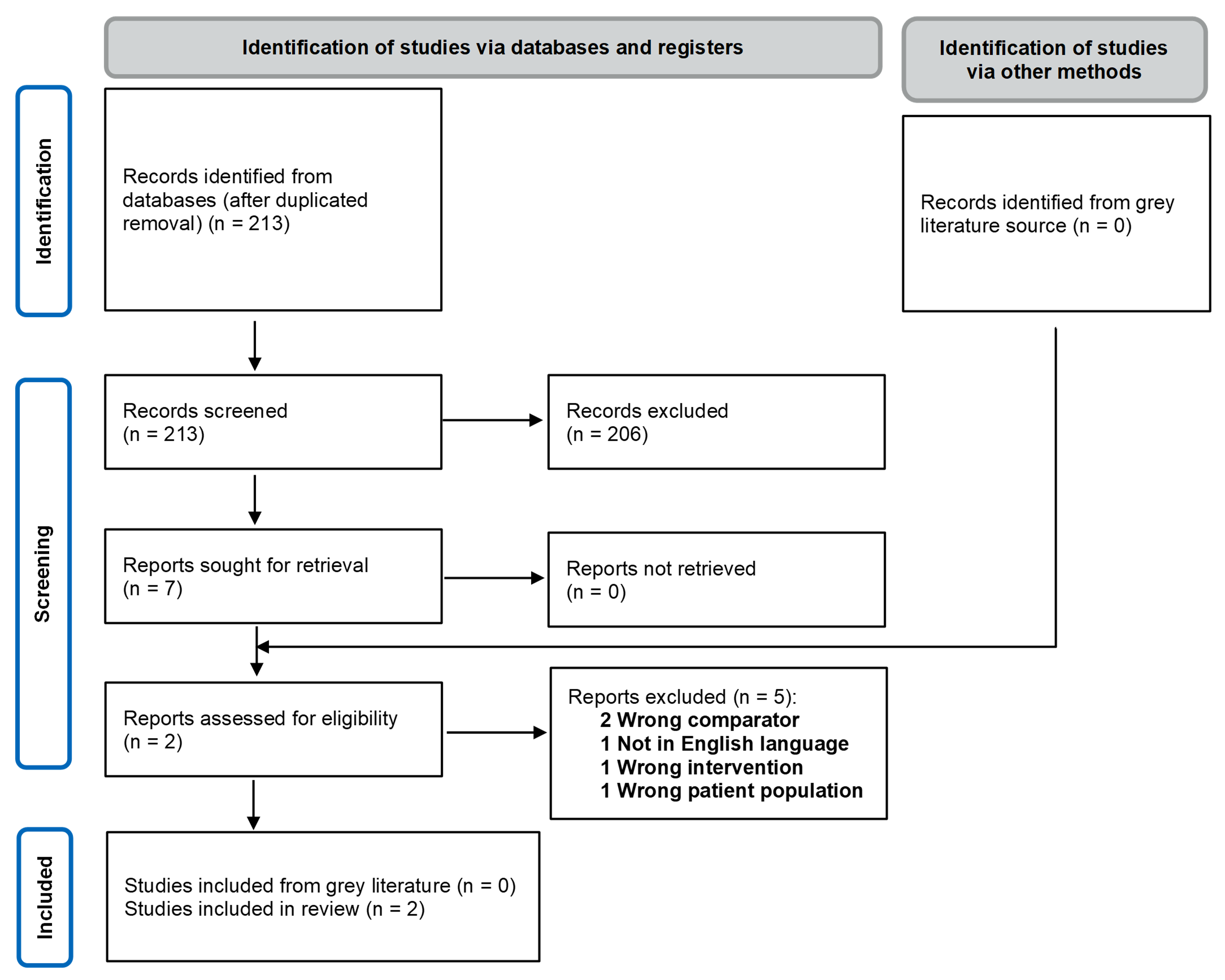
PRISMA = Preferred Reporting Items for Systematic Reviews and Meta-Analyses.
Note: This figure is a modified version of the original PRISMA 2020 flow diagram.
Appendix 3: Characteristics of the Included Publications
Please note that this appendix has not been copy-edited.
Table 2: Characteristics of the Included Systematic Review
Study citation, countries of eligible studies, funding source | Study designs and numbers of primary studies included | Population characteristics | Intervention and comparator(s) | Relevant clinical outcomes |
|---|---|---|---|---|
Xie et al. (2026)38 China Funding source: The authors have no funding and conflicts of interest to disclose. | Systematic Review and meta-analysis of RCTs published up to September 2022. Number of included studies: A total of 21 studies for primary artificial joint arthroplasty, including TKA, THA, total shoulder arthroplasty, total ankle arthroplasty, total elbow arthroplasty, total finger arthroplasty were included, of which 3 conducted in THA patients were relevant to the current report.a | Eligibility: Adult patients older than or equal to 18 years, proposed for THA. Age: The mean age of participants from included primary THA studies ranged from 59.0 years (SD = 11.2) to 68 years (SD = NR). Sex or gender: Saito et al. 200442 Female, n = 37 Male, n = 9 Leegwater et al. 201243 Female, n = 18 Male, n = 12 Other PROGRESS-Plus characteristics: NR | Relevant intervention: Cryotherapy Relevant comparator: Routine nursing measures (i.e., usual care or treatment as usual); any postoperative interventions; noncryotherapy measures, such as compressive bandage, continuous passive machine. Leegwater et al. 201243 intervention: Method: Absorbing bandage with a tricot compression bandage and The Game Ready System (GRS) hip/groin-wrap.b Protocol: simultaneous treatment cycle of 30 minutes of cryotherapy and cyclic compression, every 4 hours (8:00 hours, 12:00 hours, 16:30 hours and 21:30 hours). GRS at 0°C was given the day of surgery twice, on low pressure (15mmHg), first postoperative day at medium pressure (50 mm Hg) 4 times, the second postoperative day medium pressure 4 times, third postoperative day high pressure (75 mm Hg) 4 times, the fourth and final treatment day once at high pressure. Leegwater et al. 201243 control: Method: Absorbing bandage with a tricot compression bandage. Protocol: NR Saito et al. 200442 intervention: Method: Icing System 2000, Sigmax, a computer-controlled cooling device. Protocol: an adhesive bandage was applied to the suture wound and covered with 10 layers of gauze. A cooling pad (23 × 33cm) wrapped in a waterproof cover then was applied to the gauze immediately after surgery, surgical wound was fixed with a cloth anchor band. The icing system was started up in the operating room immediately after surgery and was run continuously for 4 days, with a cooling temperature of 5°C. Saito et al. 200442 control: Method: None Protocol: an adhesive bandage was applied to the suture wound and covered with 10 layers of gauze. A cooling pad (23 × 33cm) wrapped in a waterproof cover then was applied to the gauze immediately after surgery, surgical wound was fixed with a cloth anchor band. No cooling procedure. |
|
NR = not reported; THA = Total Hip Arthroplasty; TKA = Total Knee Arthroplasty; ROM = Range of Motion.
ª= Of the 3 primary studies that informed this, 1 study was in German language, and data abstraction was not possible
b= Approved by Health Canada
Table 3: Characteristics of the Included Primary Clinical Study
Study citation, country, funding source | Study design | Population characteristics | Intervention and comparator(s) | Clinical outcomes, length of follow-up |
|---|---|---|---|---|
Zeng et al. (2026)39 US Funding source: authors reported no funding. | prospective comparative analysis (nonrandomized interventional study) CMC arthroplasty group (n = 57) No sample size calculation | Eligibility: 57 patients (≥ 18 years) undergoing CMC joint arthroplasty. Age (years), mean (SD): 58.3 years Sex: Female, n = 45 Male, n = 12 Other PROGRESS-Plus characteristics: NR | Intervention: 36 patients received cryotherapy. Method: The NICE iceless hand and wrist recovery compression system application over standard postoperative dressing.ª Protocol: instructions on how to safely use the device were given by the nurses in the recovery area. Instructions included to refill with water, then turn on and use the device for 20 minutes at a time at least 5 times a day, but more was encouraged. Comparator: 21 patients received noncold therapy device. Method: Ice packs Protocol: apply directly over their splints for the same frequency (e., g. 20 minutes at a time at least 5 times a day). | Outcomes:
|
CMC = carpometacarpal.
ªApproved by Health Canada
Appendix 4: Critical Appraisal of Included Publications
Please note that this appendix has not been copy-edited.
Table 4: Clinical Effectiveness of Cryotherapy in Joint Arthroplasty of the Xie et al. (2026) Study:38 — Strengths and Limitations of Systematic Reviews and Network Meta-Analyses Using AMSTAR 236
AMSTAR 2 item | Domain type | Judgment | Support for judgment |
|---|---|---|---|
1. Did the research questions and inclusion criteria for the review include the components of PICO? | Noncritical | Yes | The review clearly defines population (total hip arthroplasty), interventions (cryotherapy), comparator (routine nursing measures), and outcomes. |
2. Did the report of the review contain an explicit statement that the review methods were established before the conduct of the review and did the report justify any significant deviations from the protocol? | Critical | Yes | The review reports PROSPERO registration (CRD42022356859), indicating predefined methods. No deviations were discussed. |
3. Did the review authors explain their selection of the study designs for inclusion in the review? | Noncritical | Yes | Authors explicitly justify inclusion of and limitation to RCTs. |
4. Did the review authors use a comprehensive literature search strategy? | Critical | Yes | Multiple databases (PubMed, Cochrane, Web of Science, Scopus, Google Scholar) searched from inception with no language restrictions; search strategy based on PICO. In addition, they conducted a grey literature search. |
5. Did the review authors perform study selection in duplicate? | Noncritical | Yes | Two reviewers independently screened titles/abstracts and full texts, with a third reviewer resolving disagreements. |
6. Did the review authors perform data extraction in duplicate? | Noncritical | Yes | Data extraction was conducted independently by 2 reviewers using a predefined form. |
7. Did the review authors provide a list of excluded studies and justify the exclusions? | Critical | No | The list of excluded studies with reasons was not provided. |
8. Did the review authors describe the included studies in adequate detail? | Noncritical | Partial yes | Detailed tables describe study design, population, interventions, follow-up, and outcomes. Cryotherapy protocols were not described. |
9. Did the review authors use a satisfactory technique for assessing the RoB in individual studies that were included in the review? | Critical | Yes | Two independent reviewers evaluated the risk of bias via the Cochrane RoB 2 tool for RCTs. |
10. Did the review authors report on the sources of funding for the studies included in the review? | Noncritical | Yes | Funding status is reported as none. |
11. If meta-analysis was performed did the review authors use appropriate methods for statistical combination of results? | Critical | Yes | Use of mean differences, heterogeneity assessment (χ2, I2), fixed- or random effects models selected based on heterogeneity assessments, sensitivity analyses for outcomes with significant heterogeneity. |
12. If meta-analysis was performed, did the review authors assess the potential impact of RoB in individual studies on the results of the meta-analysis or other evidence synthesis? | Noncritical | Unclear | The 2 primary studies included in the meta-analysis for analgesic use and adverse event outcomes were both assessed to be at high RoB. Publication bias was assessed through visual inspection of funnel plots for outcomes. |
13. Did the review authors account for RoB in individual studies when interpreting/discussing the results of the review? | Critical | Yes | Authors explicitly discussed bias (e.g., lack of masking) and its implications for confidence in findings. |
14. Did the review authors provide a satisfactory explanation for, and discussion of, any heterogeneity observed in the results of the review? | Noncritical | Yes | Heterogeneity was explored and sensitivity analyses were conducted. |
15. If they performed quantitative synthesis did the review authors carry out an adequate investigation of publication bias (small study bias) and discuss its likely impact on the results of the review? | Critical | Not applicable | Publication bias could not be assessed given the small number (n = 2) of relevant primary studies. |
16. Did the review authors report any potential sources of conflict of interest, including any funding they received for conducting the review? | Noncritical | Yes | Conflicts of interest and funding are clearly provided. |
PICO = patient, population, or problem, intervention, comparison or control, outcome; RCT = randomized clinical trial; RoB = risk of bias
Table 5: Risk of Bias Assessment of the Zeng et al. (2026) Study39 — Downs and Black Critical Appraisal Tool37
Item | Judgment | Support for judgment |
|---|---|---|
Reporting | ||
Q1: Is the hypothesis/aim/objective of the study clearly described? | Yes | Hypothesis and objective are reported. |
Q2: Are the main outcomes to be measured clearly described in the Introduction or Methods section? | Yes | Main outcomes reported in materials and methods section. |
Q3: Are the characteristics of the patients included in the study clearly described ? | Yes | Characteristics of included patients were reported in materials and methods section. |
Q4: Are the interventions of interest clearly described? | Yes | Intervention reported in materials and methods section. |
Q5: Are the distributions of principal confounders in each group of subjects to be compared clearly described? | No | Table 1 reports some demographics (i.e., age, sex). However, important potential confounders (e.g., surgical factors, socioeconomic status) are not described to establish comparability between groups. |
Q6: Are the main findings of the study clearly described? | Yes | Simple outcome data including numerators and denominators is reported for main outcomes. |
Q7: Does the study provide estimates of the random variability in the data for the main outcomes? | No | Standard deviation and confidence intervals are reported for several continuous outcomes. However, estimates are not consistently available for all outcomes, and for the between-group differences. |
Q8: Have all important adverse events that may be a consequence of the intervention been reported? | Yes | Possible adverse events were not listed. However, authors reported observed complications in the cryotherapy group (i.e., 1 patient with a faulty connection causing water leakage onto their splint). |
Q9: Have the characteristics of patients lost to follow-up been described? | No | 40 of 57 of the patients (70%) completed both surveys at 2 weeks postsurgery, but characteristics of patients with missing data or lost to follow-up are not described. |
Q10: Have actual probability values been reported (e.g., 0.035 rather than rather than < 0.05) for the main outcomes except where the probability value is less than 0.001? | Yes | Authors did report actual probability values. |
External validity | ||
Q11: Were the subjects asked to participate in the study representative of the entire population from which they were recruited? | No | The single-centre sample may not be representative of the broader population of patients undergoing hand surgery. Also, patients in the cryotherapy group had agreed before surgery to pay for receiving cryotherapy. |
Q12: Were those subjects who were prepared to participate representative of the entire population from which they were recruited? | No | Participants in the cryotherapy group had to agree to pay for this treatment. This requirement may have selected patients with different financial circumstances, preferences, or expectations. |
Q13: Were the staff, places, and facilities where the patients were treated, representative of the treatment the majority of patients receive? | No | Single surgeon and single institution limit generalizability. |
Internal validity | ||
Q14: Was an attempt made to blind study subjects to the intervention they have received? | No | This was not a randomized study, and due to the intervention type, it likely would not have been feasible to attempt masking. Patients could distinguish between the cold compression system and traditional ice packs. |
Q15: Was an attempt made to blind those measuring the main outcomes of the intervention? | No | Assessor masking not conducted. |
Q16: If any of the results of the study were based on “data dredging,” was this made clear? | Not applicable | No indication of undisclosed data dredging is reported; analyses appear to correspond to the stated outcomes. |
Q17: In trials and cohort studies, do the analyses adjust for different lengths of follow-up of patients, or in case-control studies, is the time period between the intervention and outcome the same for cases and controls? | Yes | Follow-up points at 2 weeks postsurgery are specified and outcome timing is addressed at this time point. However, missing responses and incomplete outcome data may affect comparability. |
Q18: Were the statistical tests used to assess the main outcomes appropriate? | Yes | The statistical methods used for the reported comparisons are appropriate for the types of outcomes analyzed. |
Q19: Was compliance with the intervention/s reliable? | No | Cryotherapy use/adherence was specifically measured and reported. However, adherence was assessed using patient-reported questionnaires rather than objective monitoring of device use or cooling exposure. |
Q20: Were the main outcome measures used accurate (valid and reliable)? | Yes | Pain ratings and SANE are established patient-reported measures, although some adherence and pain measures are self-reported at different time points. |
Internal validity - confounding (selection bias) | ||
Q21: Were the patients in different intervention groups recruited from the same population? | Yes | Both groups came from the same surgical practice. |
Q22: Were study subjects in different intervention groups recruited over the same period of time? | Yes | Both groups were prospectively recruited during from the same period of time. |
Q23: Were study subjects randomized to intervention groups? | No | This study did not randomize patients; study participants were allocated to the intervention group based on surgeon discretion and patient willingness to pay for cryotherapy. |
Q24: Was the randomized intervention assignment concealed from both patients and health care staff until recruitment was complete and irrevocable? | No | Not applicable. |
Q25: Was there adequate adjustment for confounding in the analyses from which the main findings were drawn? | No | The effect of the main confounders was not investigated or adjusted for in the final analyses. |
Q26: Were losses of patients to follow-up taken into account? | Yes | Total number of patients that did not complete the survey was reported. |
Power | ||
Q27: Did the study have sufficient power to detect a clinically important effect where the probability value for a difference being due to chance is less than 5%? | No | No sample size calculation was done. |
Appendix 5: Main Study Findings
Please note that this appendix has not been copy-edited.
Table 6: Summary of Findings by Outcome From the Xie et al. Study (2026)38 — Following Total Hip Arthroplasty
Evidence source, sample size | Outcome | Group | Standardized mean difference (95% CI) | P value | |
|---|---|---|---|---|---|
Cryotherapy | Standard of care | ||||
1 study (Albrecht 1997, n = 142 patients) | Postoperative paina on the first day, mean (SD) | 2 (2.87) | 4 (2.87) | −0.69 (−1.03 to −0.35) | < 0.001 |
Postoperative paina on the second day, mean (SD) | 2.05 (2.55) | 3.83 (2.55) | −0.69 (−1.03 to −0.36) | < 0.001 | |
1 study (Albrecht 1997, n = 142) | ROM-POD 1, mean (SD) | 54.5 (2.87) | 42.3 (2.87) | 12.20 (11.26 to 13.14) | < 0.001 |
ROM-POD 2, mean (SD) | 69.4 (3.26) | 53.6 (3.26) | 15.80 (14.73 to 16.87) | < 0.001 | |
1 study (Leegwater 2012, n = 26) | Blood loss from drainage in mL on POD 1, mean (SD) | 280 (63) | 256 (129) | 24.00 (−52.40 to 100.40) | 0.54 |
1 study (Saito 2004, n = 45) | Total blood loss in mL during the first 24 hours postsurgery, mean (SD) | 1,110 (685) | 1,123 (436) | −13.00 (−350.17 to 324.17) | 0.94 |
2 studies (Leegwater 2012, n = 26; Saito 2004, n = 46) | Adverse events | 1/35 | 1/37 | 1.08 (0.15 to 7.57) | 0.94 |
1 study (Leegwater 2012, n = 26) | total hospital stay in days, mean (SD) | 4.75 (0.75) | 5 (1.63) | −0.25 (−1.20 to 0.70) | 0.61 |
2 studies with 3 outcomes (Leegwater 2012, n = 26; Saito 2004, n = 26) | Analgesic useb | — | — | −0.59 (−1.49 to 0.31) | 0.20 |
ROM = range of motion-degrees of flexion, POD = postoperative day, SD = standard deviation, mL = millilitres
aVisual Analogue Scale
bPrimary studies contributing to this pooled analysis evaluated total dose (mg) of oramorph, diclofenac sodium, and mepivacaine hydrochloride up to 72 hours postsurgery.
Table 7: Summary of Findings by Outcome From the Zeng et al. Study (2026)39 — Following Carpometacarpal Arthroplasty
Outcome | Cryotherapy | Ice packs | P value |
|---|---|---|---|
Analgesic use | |||
Number of Oxycodone tablets taken 2 weeks postsurgery, average (SD; 95% CI) | 8.51 (9.07; 5.51 to 11.51) | 13.38 (10.19; 9.02 to 17.74) | 0.0687 |
Postoperative pain at 2 weeks postsurgery | |||
Survey question (score 0 to 10): How much did CTD or ice alleviate your pain? Average (SD; 95% CI) | 9.56 (1.30; 9.14 to 9.98) | 3.42 (3.23; 1.59 to 5.25) | < 0.001 |
Adherence | |||
Proportion of patients with > 3 days with CTD or ice use, n/N (%) | 36/36 (100) | 10/21 (47.62) | < 0.001 |
Proportion of patients with > 7 days with CTD or ice use, n/N (%) | 33/36 (91.67%) | 4/21 (19.05%) | < 0.001 |
Proportion of patients that had > 3 sessions per day of use, n/N (%) | 34/36 (94.44%) | 7/19 (36.84%) | < 0.001 |
Proportion of patients that had > 7 sessions per day of use, n/N (%) | 28/36 (77.78%) | 1/19 (5.26%) | < 0.001 |
Global hand function | |||
Preoperative SANEa score, average (n) | 60.89 (28) | 63.70 (12) | — |
6 week postoperative SANEa score, average (n) | 72.09 (28) | 78.30 (12) | |
Change in SANEa score, average (SD) | 14.46 (25.33) | 14.58 (25.18) | 0.98 |
SANE = single assessment numeric evaluation; CTD = cryotherapy device
aSelf-reported rating of the extremity as a “percentage of normal” from 0 to 100; higher SANE scores indicate better hand performance.
ISSN: 2563-6596
Canada’s Drug Agency (CDA-AMC) is a pan-Canadian health organization. Created and funded by Canada’s federal, provincial, and territorial governments, we’re responsible for driving better coordination, alignment, and public value within Canada’s drug and health technology landscape. We provide Canada’s health system leaders with independent evidence and advice so they can make informed drug, health technology, and health system decisions, and we collaborate with national and international partners to enhance our collective impact.
Disclaimer: CDA-AMC has taken care to ensure that the information in this document was accurate, complete, and up to date when it was published, but does not make any guarantee to that effect. Your use of this information is subject to this disclaimer and the Terms of Use at cda-amc.ca.
The information in this document is made available for informational and educational purposes only and should not be used as a substitute for professional medical advice, the application of clinical judgment in respect of the care of a particular patient, or other professional judgments in any decision-making process. You assume full responsibility for the use of the information and rely on it at your own risk.
CDA-AMC does not endorse any information, drugs, therapies, treatments, products, processes, or services. The views and opinions of third parties published in this document do not necessarily reflect those of CDA-AMC. The copyright and other intellectual property rights in this document are owned by the Canadian Agency for Drugs and Technologies in Health (operating as CDA-AMC) and its licensors.
Questions or requests for information about this report can be directed to Requests@CDA-AMC.ca.