Drugs, Health Technologies, Health Systems
Reimbursement Recommendation
Tirzepatide (Mounjaro)
Indication: For once-weekly administration as an adjunct to diet and exercise to improve glycemic control for the treatment of adult patients with type 2 diabetes mellitus.
As monotherapy when metformin is inappropriate due to contraindication or intolerance.
In combination with:
metformin, or
metformin and a sulfonylurea, or
metformin and a sodium-glucose cotransporter 2 inhibitor (SGLT2i), or
basal insulin with or without metformin
Sponsor: Eli Lilly Canada Inc.
Final recommendation: Reimburse with conditions
Summary
What Is the Reimbursement Recommendation for Mounjaro?
Canada’s Drug Agency (CDA-AMC) recommends that Mounjaro be reimbursed by public drug plans as an add-on to diet and exercise to improve blood sugar control in adults with type 2 diabetes mellitus (T2DM) when combined with metformin, metformin and a sulfonylurea, or metformin and a sodium-glucose cotransporter-2 (SGLT2) inhibitor if certain conditions are met.
Why Did CDA-AMC Recommend Reimbursement?
The Canadian Drug Expert Committee (CDEC) determined that Mounjaro demonstrates acceptable clinical value versus glucagon-like peptide-1 receptor agonists (GLP-1 RAs) in adults with T2DM. This determination was enough for CDEC to recommend that tirzepatide be reimbursed. Given that tirzepatide is expected to be an alternative to GLP-1 RAs, such as semaglutide, acceptable clinical value refers to at least comparable value versus this group of drugs.
Evidence from 3 phase III randomized controlled trials showed that Mounjaro 5 mg, 10 mg, and 15 mg reduced blood sugar levels in adults with T2DM receiving various background therapies compared to semaglutide 1 mg, insulin degludec, and insulin glargine; however, CDEC considered the results for Mounjaro 5 mg to be similar to semaglutide 1 mg in hemoglobin A1C reduction. Evidence from an additional phase III randomized controlled trial demonstrated that the highest tolerable dose of Mounjaro was just as effective as dulaglutide 1.5 mg in reducing major adverse cardiovascular events in adults with T2DM and established cardiovascular disease.
Evidence from 2 network meta-analyses suggested an improvement in the blood sugar levels and greater weight loss between Mounjaro and most of the comparators evaluated. However, the committee noted there was no difference in reduction in blood sugar levels between Mounjaro 5 mg and semaglutide 1 mg; the effects may be similar for 5 mg and 10 mg doses of Mounjaro compared to semaglutide 2 mg, although the results are highly uncertain.
Mounjaro meets some of the needs identified by patients, including lowering hemoglobin A1C levels and improving weight management. However, CDEC could not conclude that Mounjaro results in fewer side effects or improved quality of life compared to other GLP-1 RAs.
Which Patients Are Eligible for Coverage?
Mounjaro should only be reimbursed for adults with T2DM according to the criteria used by public drug plans for other GLP-1 RAs and in line with the sponsor’s reimbursement request. Mounjaro should only be covered for patients who would already be covered by the criteria from the public drug plans for other GLP-1 RAs (e.g., semaglutide) currently reimbursed for the treatment of adults with T2DM.
What Are the Conditions for Reimbursement?
In addition to following pre-existing criteria for other GLP-1 RAs, Mounjaro should not be used in combination with other GLP-1 RAs. Mounjaro should only be reimbursed if the cost of Mounjaro 10 mg and 15 mg is reduced and the drug program cost of Mounjaro 5 mg does not exceed semaglutide 1 mg. Important budget impact considerations must also be addressed for health systems to be able to adopt Mounjaro.
Review Background
Disease background: Diabetes mellitus is a common metabolic disease characterized by persistent elevations in blood glucose (hyperglycemia) caused by progressive loss of pancreatic beta-cell function, impaired insulin secretion, and/or insulin resistance. Type 2 diabetes mellitus (T2DM) is the most common type of diabetes, representing approximately 90% of cases. Several genetic and lifestyle-related risk factors are associated with the development of T2DM including diet, obesity, physical inactivity, genetics, age, and cigarette smoking. Approximately 4 million people were living with diabetes mellitus in Canada (prevalence of 10%) in 2024; the prevalence is expected to increase to 12% by 2034.
Indication and reimbursement request: Tirzepatide (Mounjaro) has been approved by Health Canada for once-weekly administration as an adjunct to diet and exercise to improve glycemic control for the treatment of adults with T2DM as monotherapy when metformin is inappropriate due to contraindication or intolerance in combination with metformin, metformin and a sulfonylurea, metformin and a sodium-glucose cotransporter-2 (SGLT2) inhibitor, or basal insulin with or without metformin. The sponsor is seeking reimbursement as an adjunct to diet and exercise to improve glycemic management for the treatment of adults with T2DM in combination with metformin; or metformin and a sulfonylurea; or metformin and a SGLT2 inhibitor.
Drug under review: Tirzepatide is a glucose-dependent insulinotropic polypeptide (GIP) and GLP-1 receptor agonist (GLP-1 RA). The activity of tirzepatide on the GIP receptor is similar to endogenous GIP hormone, and the activity of tirzepatide on the GLP-1 receptor is lower compared to endogenous GLP-1 hormone, enhancing first- and second-phase insulin secretion, and reducing plasma glucagon levels, both in a glucose-dependent manner. It is available as 2.5 mg per 0.5 mL, 5 mg per 0.5 mL, 7.5 mg per 0.5 mL, 10 mg per 0.5 mL, 12.5 mg per 0.5 mL, and 15 mg per 0.5 mL solution in a single-dose, prefilled pen or vial for SC use, as well as a 2.5 mg per 0.6 mL, 5 mg per 0.6 mL, 7.5 mg per 0.6 mL, 10 mg per 0.6 mL, 12.5 mg per 0.6 mL, and 15 mg per 0.6 mL multidose prefilled pen for subcutaneous use. The dosage recommended in the product monograph is to initiate at 2.5 mg once weekly, increase the 5 mg after 4 weeks and if additional glycemic control is needed, increase the dosage in 2.5 mg increments after no less than 4 weeks on the current dose. The maximum dosage is 15 mg injected subcutaneously once weekly.
Treatment costs: At the submitted price of $300.00 per 2.5 mg or 5 mg multidose prefilled pen, $420.00 per 7.5 mg or 10 mg multidose prefilled pen, $540.00 per 12 mg or 15 mg multidose prefilled pen, $75.00 per 2.5 mg or 5 mg single-dose vial, $105.00 per 7.5 mg or 10 mg single-dose vial, and $135.00 per 12 mg or 15 mg single-dose vial, the annual cost of tirzepatide is expected to range from $3,913 to $7,044 per patient depending on dose.
Highlights of Input From Interested Parties
The patient group (Diabetes Canada) noted the following regarding impacts of the condition, unmet needs, and important outcomes:
T2DM is preoccupying, inconvenient, worrying, and burdensome because management requires foresight and planning, particularly managing blood glucose in relation to diet. The patient input noted that current treatments are generally easy to use and mostly effective for controlling blood sugar but are associated with factors patients dislike, including supply and cost issues, lack of insurance coverage, and weight management issues.
The patient input emphasized that keeping glucose levels within target range, minimizing symptoms, and decreasing the risk of complications or consequence are important goals of treatment.
The clinician groups (Dilico Anishinabek Family Care and Maamwesying North Shore Community Health, Canadian Primary Care Clinicians in Support of Tirzepatide Access, and LMC Diabetes & Endocrinology) and the clinical experts consulted by CDA-AMC for this review noted the following regarding unmet needs arising from the condition and place in therapy for the drug under review:
Currently available treatments may not meet glycemic or weight loss targets in many patients; multiple, sequential glucose-lowering drugs may still be needed to reach glycemic targets, which brings additional potential side effects, such as weight gain, which may counter the goals of treatment.
Treatment of T2DM in Canada is guided by the Diabetes Canada guidelines, which include metformin as the first-line pharmacologic treatment option, and additional medications added on as needed to achieve glycemic control or address additional clinical priorities. Patients should first be treated with metformin before initiating treatment with a GIP and GLP-1 RA, such as tirzepatide, or a GLP-1 RA, such as semaglutide.
The participating public drug programs raised potential implementation issues related to considerations for initiation, prescribing of therapy, generalizability of trial populations to broader populations, and system and economic issues.
Recommendation
With a vote of 12 to 0, the Canadian Drug Expert Committee (CDEC) recommends that tirzepatide be reimbursed as an adjunct to diet and exercise to improve glycemic control for the treatment of adults with T2DM in combination with metformin, metformin and a sulfonylurea, or metformin and a SGLT2 inhibitor only if the conditions listed in Table 1 are met.
Table 1: Reimbursement Conditions and Reasons
Reimbursement condition | Reason | Implementation guidance |
|---|---|---|
Initiation, renewal, and prescribing | ||
1. Eligibility for reimbursement of tirzepatide should be based on the criteria used by each of the public drug plans for initiation, renewal, and prescribing of other GLP‑1 RAs currently reimbursed for the treatment of adults with T2DM. | There is no evidence that tirzepatide should be held to a different standard than other currently reimbursed GLP-1 RAs used to treat T2DM (i.e., semaglutide) when considering initiation, renewal, and prescribing. | CDEC noted that there is no evidence for switching between GLP‑1 RAs. The clinical experts noted that switching between GLP-1 RAs would primarily occur due to intolerance or if glycemic targets were not met. |
2. Tirzepatide should not be used in combination with other GLP‑1 RAs or with DPP-4 inhibitors for the treatment of T2DM. | Tirzepatide has a shared mechanism of action with GLP-1 RAs (e.g., semaglutide, dulaglutide, and liraglutide) and DPP‑4 inhibitors (e.g., sitagliptin, linagliptin, and saxagliptin). There is no evidence to support whether tirzepatide offers additional benefit when used in combination with these therapies. | — |
Pricing | ||
3. A reduction in price. | Based on the committee’s assessment of the evidence, tirzepatide 5 mg is expected to have similar change from baseline in hemoglobin A1C to semaglutide 1 mg. Therefore, the drug program cost of tirzepatide 5 mg should be no more than semaglutide 1 mg. Using the CDA-AMC base-case analysis, the ICER for tirzepatide 10 mg and 15 mg was $453,118 and $548,277 per QALY gained, respectively, compared to semaglutide 1 mg. For tirzepatide 10 mg, a band 2a price reduction would be required to achieve cost-effectiveness at a $50,000 per QALY threshold. A band 2a price reduction would be required to achieve cost-effectiveness at a $100,000 per QALY threshold. For tirzepatide 15 mg, a band 3a price reduction would be required to achieve cost-effectiveness at a $50,000 per QALY threshold. A band 2a price reduction would be required to achieve cost-effectiveness at a $100,000 per QALY threshold. Price reductions for any given willingness-to-pay threshold are available in the CDA‑AMC Main Report and Supplemental Material document. Due to uncertainty in the economic analysis, further price reductions might be required. | The CDA-AMC analysis is based on public list prices for all treatments. Further price reductions may be required if there are price arrangements (discounts) currently in place for any treatment included in the economic analysis. Likewise, further price reductions may be required to address economic feasibility of adoption. |
Feasibility of adoption | ||
4. The economic feasibility of adoption of tirzepatide must be addressed. | At the submitted price, the incremental budget impact of tirzepatide is expected to be greater than $40 million in years 1, 2, and 3. | — |
CDA-AMC = Canada’s Drug Agency; GLP-1 RA = glucagon-like peptide-1 receptor agonist; ICER = incremental cost-effectiveness ratio; QALY = quality-adjusted life-year; T2DM = type 2 diabetes mellitus.
aFor the statement regarding the size of the price reduction required, band 1 = 1% to 24%, band 2 = 25% to 49%, band 3 = 50% to 74%, and band 4 = 75% or greater.
Rationale for the Recommendation
Clinical Value
Based on the totality of the presented clinical evidence, CDEC concluded that tirzepatide demonstrates acceptable clinical value compared with appropriate comparators (GLP-1 RAs [e.g., semaglutide]) in patients with T2DM. Because tirzepatide is expected to be an alternative to other GLP-1 RAs, acceptable clinical value refers to at least comparable value versus semaglutide.
Three phase III randomized controlled trials (RCTs) (SURPASS-2 [N = 1,879]; SURPASS-3 [N = 1,444]; and SURPASS-4 [N = 2,002]) evaluating the efficacy and safety of tirzepatide versus relevant comparators of semaglutide 1 mg, insulin degludec, and insulin glargine demonstrated noninferiority and superiority of tirzepatide 5 mg, 10 mg, and 15 mg for hemoglobin A1C reduction, weight loss, and the proportion of patients with a hemoglobin A1C target of less than 7% or weight loss of 5% or more among adults with T2DM receiving various background therapies. CDEC noted that tirzepatide 5 mg resulted in similar clinical benefit in glycemic control compared to semaglutide 1 mg, but the result was not considered clinically meaningful, while tirzepatide 10 mg and 15 mg provided clinically meaningful reduction in hemoglobin A1C when compared to semaglutide 1 mg. CDEC also discussed the results of an additional phase III RCT (SURPASS-CVOT; N = 13,299) that enrolled a population of patients with T2DM and established cardiovascular (CV) disease. The SURPASS-CVOT study demonstrated that maximum tolerated dose (MTD) tirzepatide likely results in little to no difference in and was noninferior to dulaglutide 1.5 mg in 3-point major adverse CV events (MACE-3). Additionally, results for glycemic control and weight loss from the SURPASS-CVOT study were consistent with the other SURPASS studies. However, CDEC noted that semaglutide 1 mg and dulaglutide 1.5 may not be the most clinically relevant comparators in this setting because higher doses may be used in clinical practice; thus, the magnitude of tirzepatide’s benefit to other relevant comparators is uncertain.
Evidence from 2 network meta-analyses (NMAs) generally suggested an improvement in the change from baseline in hemoglobin A1C and body weight between tirzepatide and most of the comparators evaluated. For hemoglobin A1C reduction, there was no difference between tirzepatide 5 mg and semaglutide 1 mg, which CDEC noted was consistent with the SURPASS-2 study findings. The results also suggested no difference in treatment effects for 5 mg and 10 mg doses of tirzepatide compared to semaglutide 2 mg for glycemic control. For weight loss, all doses of tirzepatide were favoured over semaglutide 1 mg, although there was no difference detected between tirzepatide 5 mg and semaglutide 2 mg. Overall, the NMAs were subject to important limitations and there was insufficient evidence to suggest that lower doses of tirzepatide were better or worse than other GLP-1 RAs approved for use in T2DM, with most estimates affected by serious imprecision.
Patients indicated that there is a need for new treatments that provide better weight and hemoglobin A1C control, have fewer side effects, and improve health-related quality of life. CDEC concluded that tirzepatide may meet some of the needs identified by patients, including providing an additional treatment option that likely results in hemoglobin A1C reduction, as well as improved weight control in patients with T2DM. However, CDEC was unable to conclude that tirzepatide results in fewer side effects or improved quality of life compared to semaglutide.
Further information on the committee’s discussion around clinical value is provided in the Summary of Deliberation section.
Developing the Recommendation
The determination of acceptable clinical value was sufficient for CDEC to recommend reimbursement of tirzepatide. As part of the deliberation on whether to recommend reimbursement, the committee also considered unmet clinical need, unmet nonclinical need, and health inequity. Information on this discussion is provided in the Unmet Clinical Need and Distinct Social and Ethical Considerations domains in the Summary of Deliberation section.
Because CDEC recommended that tirzepatide be reimbursed, the committee also deliberated on whether reimbursement conditions should be added to address important economic considerations, health system impacts, or social and ethical considerations, or to ensure clinical value is realized. The resulting reimbursement conditions, with accompanying reasons and implementation guidance, are stated in Table 1.
Summary of Deliberation
CDEC considered all domains of value of the deliberative framework before developing its recommendation: clinical value, unmet clinical need, distinct social and ethical considerations, economic considerations, and impacts on health systems. For further information on the domains of value, refer to Expert Committee Deliberation at Canada’s Drug Agency.
The committee considered the following key discussion points, organized by the 5 domains of value.
The sponsor requested a reconsideration of the initial draft recommendation to reimburse tirzepatide with conditions as an adjunct to diet and exercise to improve glycemic control for the treatment of adults with T2DM in combination with metformin, metformin and a sulfonylurea, or metformin and a SGLT2 inhibitor. There were 2 issues outlined by the sponsor in the request for reconsideration that were discussed by CDEC. Specifically, the sponsor requested that CDEC reconsider the clinical value conclusion for all doses of tirzepatide for weight loss and hemoglobin A1C reduction compared to the full semaglutide dose range.
Clinical Value
Appropriate comparators: The current standard of care for T2DM consists of add-on combination therapy beginning with metformin, followed by the addition of incretins (e.g., DPP-4 inhibitors, GIP and GLP-1 RAs), insulins, secretagogues (sulfonylureas and meglitinides), thiazolidinediones, and/or SGLT2 inhibitors depending on clinical priorities. Given its shared mechanism of action and expected place in therapy, CDEC considered GLP-1 RAs, specifically semaglutide, to be the most appropriate comparators for tirzepatide. CDEC and the clinical experts noted that higher doses of semaglutide may be used in clinical practice in Canada (recommended dose of semaglutide available in Canada ranges from 0.5 mg to 2 mg once weekly). The clinical experts also noted that despite its mechanism of action as a long-acting GLP-1 RA, dulaglutide is not the most clinically relevant comparator because it is not currently funded by jurisdictions in Canada.
Place in therapy: CDEC discussed the reimbursement request for tirzepatide, which was narrower than the Health Canada indication. The reimbursement request did not include the population of patients who would be eligible to receive tirzepatide in combination with basal insulin with or without metformin. CDEC discussed the sponsor’s rationale for the request for deviation in the CDA-AMC clinical and pharmacoeconomic reports but also heard from the clinical experts who noted that this population may be eligible for treatment with tirzepatide. CDEC noted that the CDA-AMC clinical and economic reviews did not include evidence for this population at the sponsor’s request; therefore, it was not considered by the committee.
Efficacy versus semaglutide: During the initial and reconsideration meetings, CDEC discussed 1 phase III, open-label RCT (SURPASS-2; N = 1,879), which evaluated the efficacy and safety of tirzepatide compared to semaglutide in patients with T2DM previously treated with metformin alone. The SURPASS-2 study demonstrated that 40 weeks of treatment with tirzepatide 5 mg, 10 mg, and 15 mg was superior compared to semaglutide 1 mg for improvements in hemoglobin A1C reduction from baseline (5 mg: −0.15% [95% confidence interval [CI], −0.28% to −0.03%]; 10 mg: −0.39% [95% CI, −0.51% to −0.26%]; and 15 mg: −0.45% [95% CI, −0.57% to −0.32%]), and change from baseline in weight (5 mg: −1.9 kg [95% CI, −2.8 kg to −1.0 kg]; 10 mg: −3.6 kg [95% CI, −4.5 kg to −2.7 kg]; and 15 mg: −5.5 kg [95% CI, −6.4 kg to −4.6 kg]). CDEC also discussed results from a supportive efficacy analysis of percent change in weight from baseline in the SURPASS-2 study (percent change difference from semaglutide 1 mg for tirzepatide 5 mg: −1.8% [95% CI, −2.7% to −0.9%]; 10 mg −4.3% [95% CI, −5.2% to −3.3%]; 15 mg −6.3% [95% CI, −7.3% to −5.3%]). Although the sponsor highlighted these findings during reconsideration, CDEC noted that the between-group differences in percentage weight reduction remained subject to uncertainty regarding their relationship to long-term T2DM-related outcomes. Furthermore, the SURPASS-2 study did not evaluate CV outcomes (e.g., MACE-3); therefore, comparative evidence for these outcomes between tirzepatide and semaglutide remain unknown.
Efficacy versus dulaglutide: CDEC discussed the SURPASS-CVOT study which provided evidence comparing MTD tirzepatide to dulaglutide 1.5 mg with the objective of determining noninferiority in reducing MACE-3 (comprised of CV death, nonfatal myocardial infarction, and nonfatal stroke) in patients with T2DM and established atherosclerotic CV disease. As previously noted, CDEC discussed with the clinical experts that dulaglutide may not be the most clinically relevant comparator. However, the committee acknowledged that the CV benefits of dulaglutide have previously been established in the REWIND trial. The SURPASS-CVOT study demonstrated that treatment with tirzepatide MTD was noninferior to dulaglutide 1.5 mg, with 12.2% (n = 801) of patients in the tirzepatide arm and 13.1% (n = 862) in the dulaglutide arm experiencing a MACE-3 event. Changes in hemoglobin A1C and weight were also consistent with the other SURPASS studies. However, CDEC also noted that the dosage of dulaglutide used in the SURPASS-CVOT study may not be representative of the dosage used in clinical practice, in which higher doses may be used.
Clinical importance of treatment effects: Based on the input from patient and clinician groups, and the clinical experts consulted for this review, reduction in weight and hemoglobin A1C are the primary goals of management of T2DM; thus, CDEC considered the efficacy and safety outcomes evaluated in the evidence provided to be clinically relevant. For the SURPASS-2, SURPASS−3, and SURPASS−4 studies, a noninferiority margin of 0.3% in the change from baseline in hemoglobin A1C was prespecified and was also considered a clinically meaningful change by the clinical experts consulted for this review. The clinical experts also noted that a reduction of 5% in body weight was clinically meaningful but highlighted that this may vary by patient. CDEC considered the results for these outcomes in the SURPASS-2, SURPASS−3, and SURPASS−4 studies to be clinically meaningful in consultation with the clinical experts. CDEC also discussed the 5% threshold for clinically meaningful weight loss during the reconsideration meeting where they upheld their initial conclusions. While agreeing that weight loss is an important outcome of treatment in T2DM, CDEC also noted that the relationship between weight loss and glycemic control can be complex in patients with T2DM, and weight loss may not be required in all patients to achieve glycemic targets. The committee further emphasized that glycemic control, although also a surrogate outcome, is directly associated with a reduced risk of diabetes-related microvascular and macrovascular complications. Although weight loss is associated with improved metabolic health, CDEC noted that the magnitude of weight loss required to translate into clinically meaningful long-term diabetes-related benefits remains uncertain and may vary across patients. CDEC also noted uncertainty regarding the extent to which the benefits of weight loss are independent of improvements in glycemic control.
Certainty of the evidence: Across trials, results for the change from baseline for hemoglobin A1C and the proportion of patients achieving a 5% reduction in body weight were associated with a moderate to high level of certainty per the CDA-AMC Grading of Recommendations Assessment, Development and Evaluation (GRADE) assessment. In instances in which the certainty of evidence was moderate (tirzepatide 10 mg versus semaglutide 1 mg), this was due to the upper bound of the 95% CI containing the possibility of little to no difference based on the minimal important difference of 0.3% used for the noninferiority margin and suggested by the clinical experts. During the reconsideration meeting, CDEC and the clinical experts discussed this margin, noting that it is a widely accepted threshold for interpreting differences in hemoglobin A1C between treatments in T2DM. For the SURPASS-CVOT study, the certainty of the evidence for the incidence of composite MACE-3 events was moderate and rated down for serious imprecision; they noted overall that tirzepatide MTD likely results in little to no difference compared to dulaglutide. This was based on results that were noninferior, but not superior, to dulaglutide, as well as the modest between-group difference with no CI reported.
Efficacy versus other antidiabetic drugs: CDEC discussed the 2 indirect treatment comparisons submitted by the sponsor: 1 in patients receiving 1 oral antidiabetic drug and another in patients receiving 1 or 2 oral antidiabetic drugs. In general, higher doses of tirzepatide were favoured over most of the antidiabetic drugs considered in the NMAs for the outcomes of change from baseline in hemoglobin A1C and weight. For the change from baseline in hemoglobin A1C, there was no difference between tirzepatide 5 mg and semaglutide 1 mg (██████ ████ ████ █████ ██ █████), although CDEC considered the results to be similar, given the modest reduction, which did not achieve the established minimal important difference of 0.3% and the 95% credible interval that crossed the threshold of no effect. Furthermore, CDEC noted that these findings were consistent with the SURPASS-2 trial. For the change from baseline in weight, all doses of tirzepatide were favoured over semaglutide 1.0 mg. As previously described, the committee noted that semaglutide 2 mg was potentially a more reflective dose of semaglutide used in clinical practice in Canada. The sponsor submitted NMAs suggested there was no difference between tirzepatide 5 mg and 10 mg and semaglutide 2 mg. Although the results numerically favoured tirzepatide 15 mg compared to semaglutide 2 mg (██████ ████ ████ █████ ██ ██████) for glycemic control, they were highly uncertain and associated with imprecision. Lastly, there was no difference between tirzepatide 5 mg and semaglutide 2 mg (█████ ██ ████ ████ █████ ██ █████) for weight loss. During the reconsideration meeting, CDEC discussed the indirect evidence comparing tirzepatide 5 mg with semaglutide 0.5 mg. The committee acknowledged clinical expert input that semaglutide 0.5 mg is a clinically relevant maintenance dose for some patients, including those who remain on the lower dose because of tolerability or achievement of glycemic targets. However, CDEC noted that the comparison with semaglutide 0 5 mg was derived from indirect evidence rather than the direct comparative evidence from the SURPASS‑2 trial, which evaluated semaglutide 1 mg. Limitations in the indirect evidence added uncertainty to the consideration of semaglutide 0.5 mg and did not alter CDEC’s conclusions regarding the comparative clinical value of tirzepatide 5 mg.
Harms: CDEC noted that the harms profile of tirzepatide was consistent with that of other injectable GLP-1 RAs and the overall difference in harms depended on the comparator. CDEC noted that the proportion of patients reporting gastrointestinal adverse events (AEs) was higher with higher doses of tirzepatide; however, higher doses of semaglutide may be associated with elevated rates of gastrointestinal AEs. The committee also highlighted that in all trials reviewed, tirzepatide was associated with marginally higher rates of discontinuation due to AEs (6% to 8.5% for tirzepatide versus 4.1% for semaglutide [SURPASS‑2], 7% to 10.9% for tirzepatide versus 1.4% for insulin degludec [SURPASS-3], 7.3% to 8.9% for tirzepatide versus 2.9% for insulin glargine [SURPASS‑4], and 13.2% for tirzepatide MTD versus 10.1% for dulaglutide [SURPASS-CVOT]), suggesting that tolerability of tirzepatide may be less favourable than other therapies used in the same therapeutic space.
Clinical value: Based on all the preceding considerations, the committee determined there was comparable clinical value of tirzepatide 5 mg versus semaglutide 1 mg and added clinical value of tirzepatide 10 mg and 15 mg versus semaglutide 1 mg for glycemic control.
Unmet Clinical Need
Input on unmet clinical need: Patient groups, clinician groups, and clinical experts consulted by CDA-AMC noted that currently available treatments do not meet glycemic or weight loss targets in many patients and they still require multiple, sequential glucose-lowering drugs to reach glycemic targets. Clinical experts also noted that some patients with T2DM have additional CV and kidney disease risk that must be addressed, and there are contraindications for some medications in patients with these comorbidities.
Severity of the disease: The committee noted that T2DM is a chronic metabolic condition that can result in serious microvascular and macrovascular complications if left untreated.
Availability of treatment options: CDEC discussed the suite of available treatment options to address glycemic control in patients with T2DM, including nonpharmacologic (e.g., lifestyle and dietary adjustments) as well as pharmacologic therapies (e.g., metformin, DPP-4 inhibitors, GIP and GLP-1 RAs, insulins, SGLT2 inhibitors) which are sequentially added according to clinical priorities (e.g., the desired magnitude of hemoglobin A1C, lipid, or blood pressure reduction; the side effect profile of treatments; the possibility of pregnancy; or the avoidance of hypoglycemia). However, despite the numerous sequential treatments to reduce hemoglobin A1C, many patients still require additional hemoglobin A1C lowering to reach target levels. According to the clinical experts consulted by CDA-AMC, insulins are generally reserved for patients with metabolic decompensation, while those with higher CV risk (established CV disease or risk factors) or chronic kidney disease receive therapies with proven CV benefits (e.g., GLP-1 RAs or SGLT2 inhibitors).
Significant unmet clinical need: Although patients and clinicians desire additional treatment options to achieve glycemic control, CDEC determined there was no significant unmet need as described in the recommendation framework in the Procedures for Reimbursement Reviews because T2DM is not a rare disease and the available treatment options are effective.
Distinct Social and Ethical Considerations
Input on unmet nonclinical need: Patient groups, clinicians, and the committee highlighted that T2DM is associated with substantial psychological and financial burdens due to the requirements of self-management, treatment costs, and fear and anxiety of long-term complications. CDEC also noted the stigma associated with T2DM given the coexistence with obesity and overweight.
Equity considerations: One clinician group noted Indigenous patients may be at increased risk of developing T2DM at a younger age and with more severe symptoms, as well as an intersection between living in remote locations prone to food insecurity and distance from accessing primary care, highlighting the need for additional treatment options in this population.
Economic Considerations
Health impacts of tirzepatide versus relevant comparators: Based on the evidence reviewed for this submission, the committee concluded that there is no robust evidence to suggest that tirzepatide 5 mg provides greater glycemic control than semaglutide 1 mg. Tirzepatide 10 mg and 15 mg are predicted to be associated with a gain of 0.01 and 0.02 life-years, respectively, and may result in a gain of 0.10 and 0.13 quality-adjusted life-years (QALYs), respectively, compared to semaglutide 1 mg over the lifetime time horizon. The health impacts of tirzepatide versus higher doses of semaglutide are uncertain.
Cost of tirzepatide versus relevant comparators: Tirzepatide 10 mg and 15 mg are predicted to be associated with higher costs to the health care systems than semaglutide 1 mg (incremental costs = $44,543 and $71,871, respectively), primarily driven by increased drug costs associated with tirzepatide 10 mg and 15 mg, over the lifetime time horizon.
Key findings of the economic evaluation: For tirzepatide 5 mg, no definite conclusion can be drawn regarding the relative glycemic control in comparison with semaglutide 1 mg. If there are no differences between these treatments, then the total treatment cost of tirzepatide 5 mg should not exceed that of semaglutide 1 mg for the treatment of adults with T2DM. For higher doses of tirzepatide, based on the submitted evidence using the sponsor’s cost-utility analysis, the CDA-AMC base-case analysis estimated that the incremental cost-effectiveness ratio for tirzepatide 10 mg and tirzepatide 15 mg was $453,118 and $548,277 per QALY gained, respectively, when compared with semaglutide 1 mg (Figure 1 and Figure 2). Because semaglutide 1 mg was estimated to provide better health outcomes at a lower overall cost than semaglutide 0.5 mg, cost-effectiveness for all tirzepatide doses was assessed relative to semaglutide 1 mg.
Figure 1: Estimate of the ICER Used by CDEC to Inform the Price Condition for Tirzepatide 10 mg
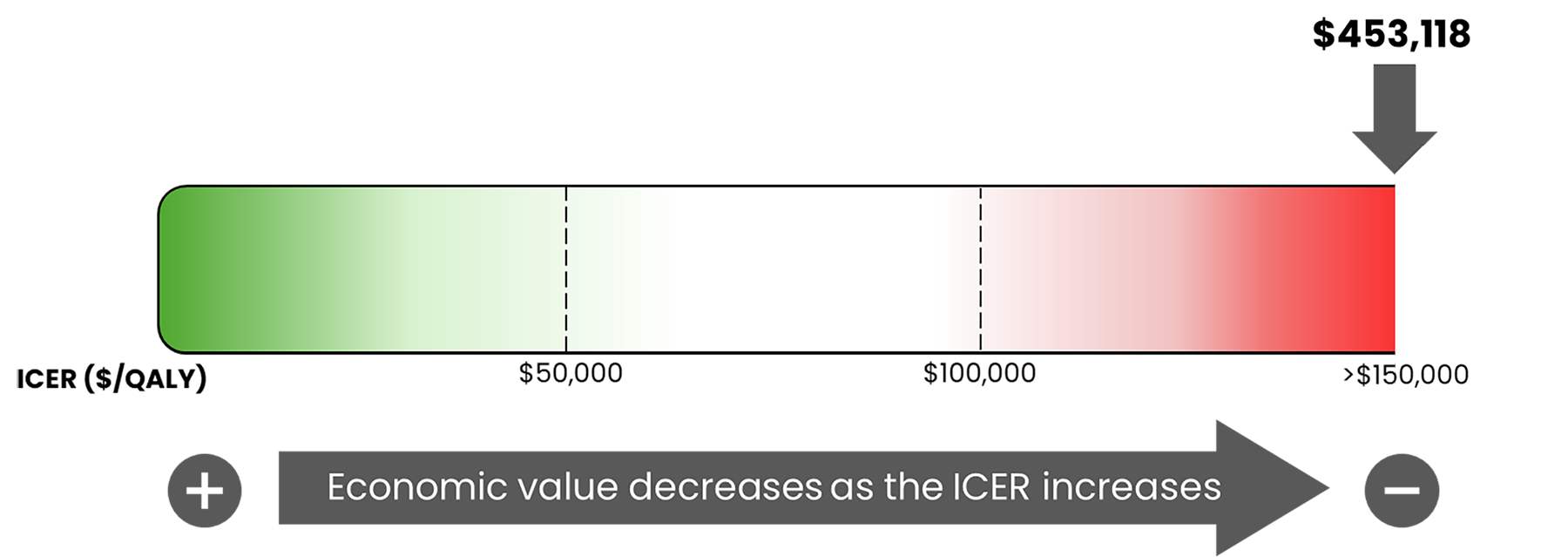
CDEC = Canadian Drug Expert Committee; ICER = incremental cost-effectiveness ratio; QALY = quality-adjusted life-year.
Figure 2: Estimate of the ICER Used by CDEC to Inform the Price Condition for Tirzepatide 15 mg
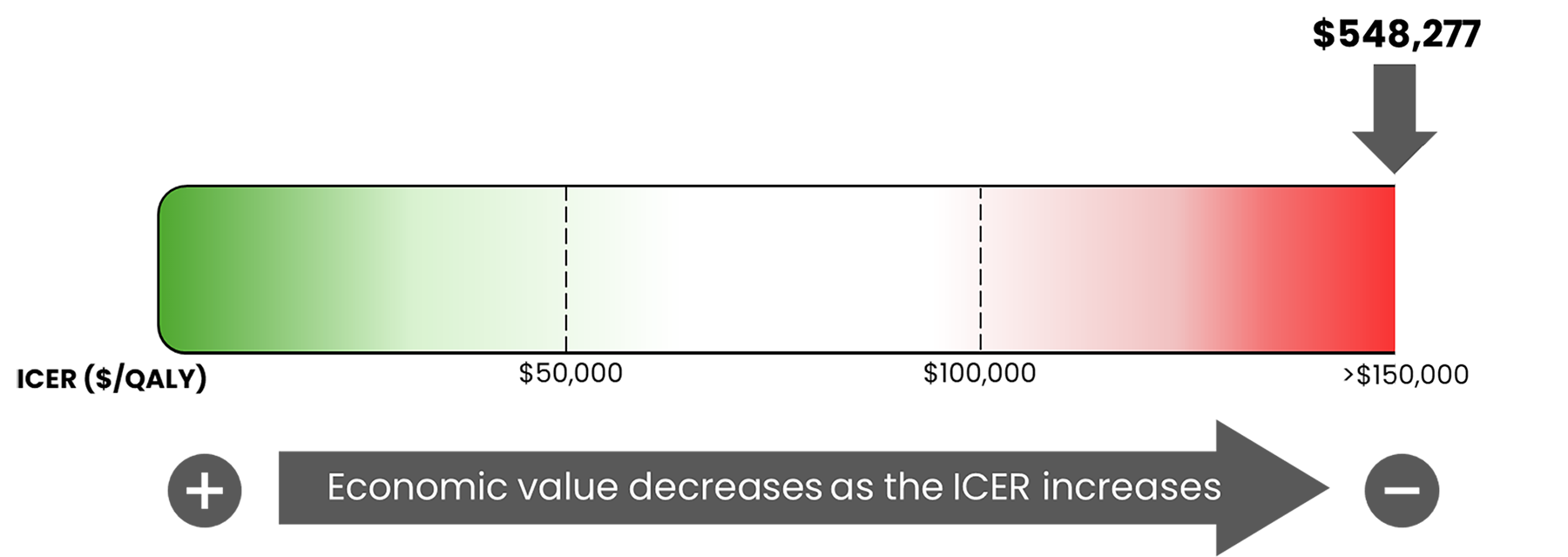
CDEC = Canadian Drug Expert Committee; ICER = incremental cost-effectiveness ratio; QALY = quality-adjusted life-year.
Certainty of the evidence: CDEC discussed that the key findings of the economic evaluation are highly uncertain due to limitations in the underlying clinical evidence, model structure and assumptions, a lack of comparison to all relevant comparators, and unresolved uncertainty regarding treatment pathways in clinical practice (e.g., the model does not include the possibility of dose titration). Given the identified limitations with the submitted model structure and uncertainty in the long-term efficacy data, the economic analysis may not accurately assess the impact of tirzepatide on patient health and health care resources. Importantly, the committee discussed that there was no economic evidence for tirzepatide compared to semaglutide 2 mg, which is used in clinical practice in Canada, and that this omission introduces substantial uncertainty to the economic evidence. As a result, the cost-effectiveness estimates are highly uncertain and higher price reductions may be required to achieve a given willingness-to-pay threshold. During the reconsideration meeting, the committee further discussed uncertainty in the sponsor’s model and approach to predict the long-term impacts of weight loss and noted that the costs and health outcomes associated with weight loss could not be reliably estimated using the submitted model.
Other considerations: CDEC noted that several generic versions of injectable semaglutide are currently under review by Health Canada. CDEC indicated that reimbursement of such generics would impact the price of semaglutide and subsequent cost-effectiveness analysis. The potential impact of such a price change was not assessed in the economic review.
Impacts on Health Systems
Anticipated budget impact: CDA-AMC estimates that the budget impact of reimbursing tirzepatide for the treatment for the indicated population will be approximately $820 million over the first 3 years of reimbursement compared to the amount currently spent on comparators, with an estimated expenditure of $1.97 billion on tirzepatide over this period. The actual budget impact of tirzepatide is uncertain and will depend on the market uptake and distribution of tirzepatide doses. CDEC noted that the feasibility of adoption must be addressed.
Sources of Information Used by the Committee
To make its recommendation, the committee considered the following information (links to the full documents for the review can be found on the project web page):
the CDA-AMC review of the clinical and pharmacoeconomic evidence submitted by the sponsor as well as relevant ethical issues related to tirzepatide (refer the Main Report and Supplemental Material document)
the sponsor’s comments on the draft report and the CDA-AMC responses
patients’ perspectives gathered by 1 patient group, Diabetes Canada (refer to the Patient and Clinician Group Input document)
input from 3 clinician groups, Dilico Anishinabek Family Care and Maamwesying North Shore Community Health, Canadian Primary Care Clinicians in Support of Tirzepatide Access, and LMC Diabetes & Endocrinology (refer to the Patient and Clinician Group Input document)
input from public drug programs that participate in the reimbursement review process (refer to the Supplemental Material document)
input from 3 clinical experts with expertise in the management of T2DM consulted by CDA-AMC.
Request for Reconsideration
The sponsor filed a request for reconsideration of the draft recommendation for tirzepatide as an adjunct to diet and exercise to improve glycemic control for the treatment of adults with T2DM in combination with metformin, metformin and a sulfonylurea, or metformin and a SGLT2 inhibitor. In its request, the sponsor identified the following issues:
The sponsor stated that the draft recommendation limits tirzepatide’s clinical value to glycemic control, excluding weight loss benefits from both the clinical value conclusion and the pharmacoeconomic base case despite weight loss being identified as a primary treatment goal in T2DM by patient and clinician groups, the clinical experts consulted by CDA-AMC, the CDEC committee, and Diabetes Canada’s clinical guidelines. As such, the sponsor requested that CDEC revise the clinical value summary to incorporate weight loss outcomes alongside glycemic control for all tirzepatide doses, as well as adopt the CDA-AMC scenario analysis (i.e., including weight loss impact) as the economic base case for the CDEC deliberation and basis of the recommendation.
The sponsor disagreed with CDEC’s conclusion that tirzepatide 5 mg is expected to have similar change from baseline in hemoglobin A1C to semaglutide 1 mg, thus that the drug program cost of tirzepatide 5 mg should be no more than semaglutide 1 mg. The sponsor emphasized that these conclusions fail to acknowledge the comparison of tirzepatide 5 mg to semaglutide 0.5 mg and is contrary to the evidence provided, which they felt demonstrated that tirzepatide full dosage range showed superior glycemic control and weight loss versus both semaglutide 0.5 mg and 1 mg. As such, the sponsor requested that CDEC recognize the superiority of tirzepatide (5 mg) over semaglutide on both hemoglobin A1C reduction and weight loss outcomes and directed the economic evaluation to include a comparison of tirzepatide 5 mg to semaglutide 0.5 mg.
In the meeting to discuss the sponsor’s request for reconsideration, CDEC considered the following information:
information submitted as part of the sponsor’s request for reconsideration
information from the initial submission related to the issues identified by the sponsor
feedback from 3 clinical specialists with expertise in the diagnosing and treating patients with T2DM
feedback on the draft recommendation from 2 clinician groups, Canadian Primary Care Clinicians and LMC Diabetes & Endocrinology
feedback on the draft recommendation from the public drug program that participate in the reimbursement review process
feedback on the draft recommendation from the sponsor.
All feedback received in response to the draft recommendation is available on the CDA-AMC project web page.
CDEC Information
Members of the Committee (Initial Meeting)
Dr. Peter Jamieson (Chair), Dr. Kerry Mansell (Vice-Chair), Sally Bean, Daryl Bell, Dan Dunsky, Dr. Ran Goldman, Dr. Trudy Huyghebaert, Dr. Dennis Ko, Dr. Christine Leong, Dr. Alicia McCallum, Dr. Srinivas Murthy, Dr. Nicholas Myers, Dr. Krishnan Ramanathan, Dr. Marco Solmi, Carla Velastegui, Dr. Edward Xie, and Dr. Peter Zed.
Meeting date: March 25, 2026
Regrets: Three expert committee members did not attend.
Conflicts of interest: None.
Members of the Committee (Reconsideration Meeting)
Dr. Peter Jamieson (Chair), Dr. Kerry Mansell (Vice-Chair), Sally Bean, Daryl Bell, Dan Dunsky, Dr. Ran Goldman, Dr. Trudy Huyghebaert, Dr. Dennis Ko, Dr. Christine Leong, Dr. Alicia McCallum, Dr. Srinivas Murthy, Dr. Nicholas Myers, Dr. Krishnan Ramanathan, Dr. Marco Solmi, Carla Velastegui, Dr. Edward Xie, and Dr. Peter Zed.
Meeting date: July 22, 2026
Regrets: Four expert committee members did not attend.
Conflicts of interest: None.
ISSN: 2563-6596
Canada’s Drug Agency (CDA-AMC) is a pan-Canadian health organization. Created and funded by Canada’s federal, provincial, and territorial governments, we’re responsible for driving better coordination, alignment, and public value within Canada’s drug and health technology landscape. We provide Canada’s health system leaders with independent evidence and advice so they can make informed drug, health technology, and health system decisions, and we collaborate with national and international partners to enhance our collective impact.
Disclaimer: CDA-AMC has taken care to ensure that the information in this document was accurate, complete, and up to date when it was published, but does not make any guarantee to that effect. Your use of this information is subject to this disclaimer and the Terms of Use at cda-amc.ca.
The information in this document is made available for informational and educational purposes only and should not be used as a substitute for professional medical advice, the application of clinical judgment in respect of the care of a particular patient, or other professional judgments in any decision-making process. You assume full responsibility for the use of the information and rely on it at your own risk.
CDA-AMC does not endorse any information, drugs, therapies, treatments, products, processes, or services. The views and opinions of third parties published in this document do not necessarily reflect those of CDA-AMC. The copyright and other intellectual property rights in this document are owned by the Canadian Agency for Drugs and Technologies in Health (operating as CDA-AMC) and its licensors.
Questions or requests for information about this report can be directed to Requests@CDA-AMC.ca